

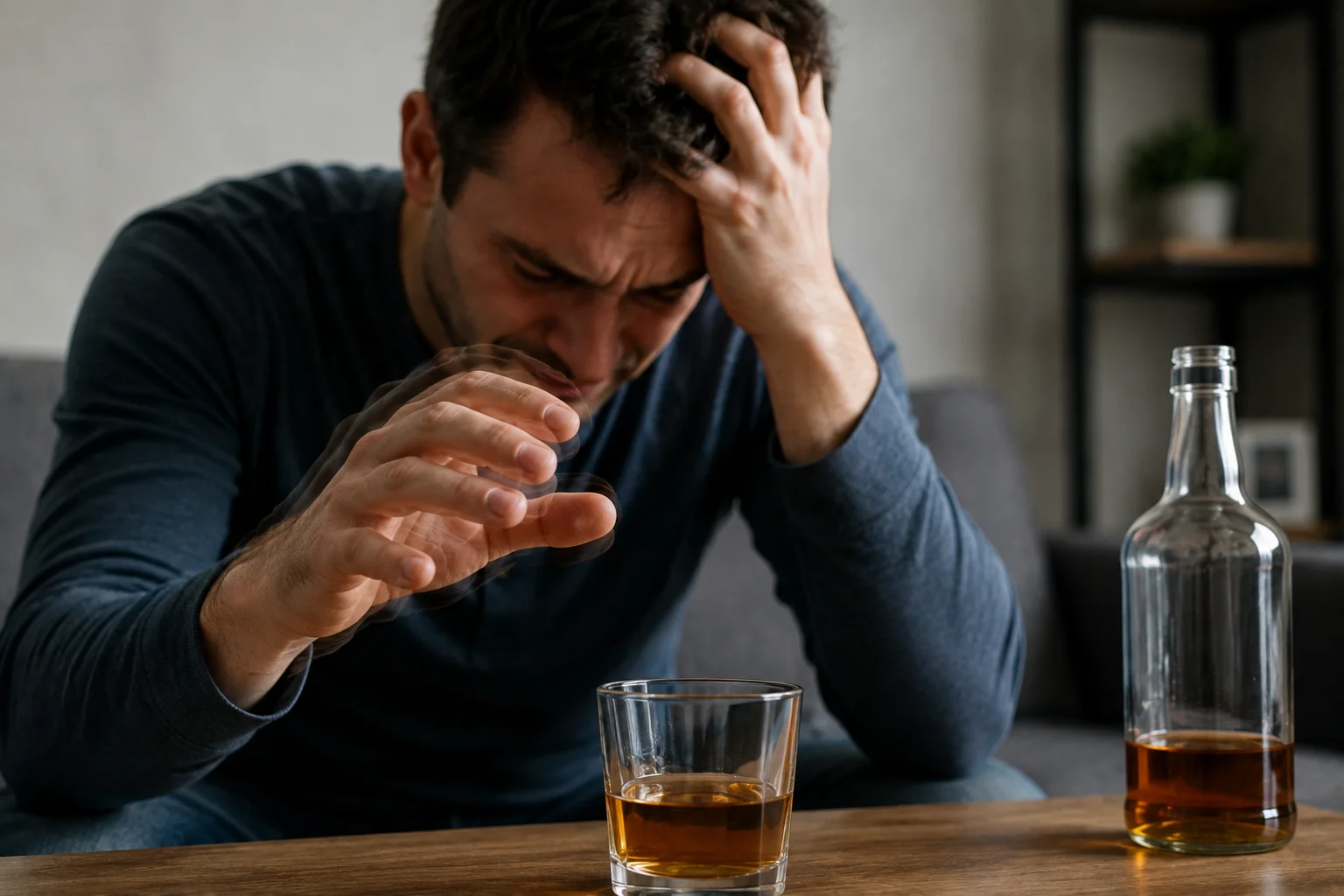

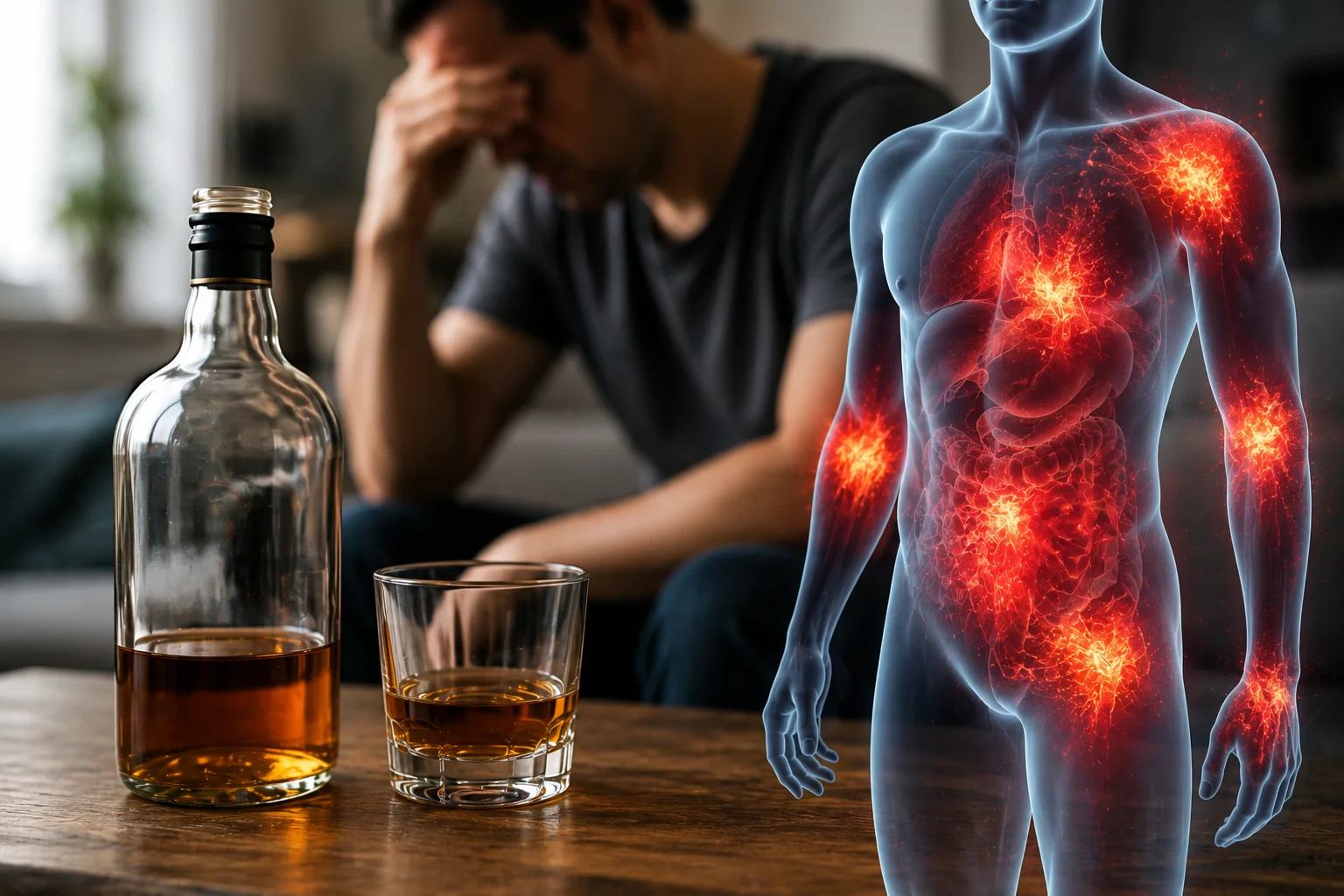

Addiction is a complicated and widespread problem that affects millions of individuals throughout the world. There are several types of addiction, including substance abuse (like alcohol or drug dependence) and behavioral addictions (like gambling or obsessive eating).
Getting over an addiction is not easy, but it is possible. You need to know about the success rate of different addiction treatments based on the neurobiology of addiction before making a choice. This article explores how well different addiction treatment options for drug and alcohol problems work and what affects their success rates.
✨ Highlights:
- Different success rates for different types of drug addiction.
- Cognitive behavioral therapy and dialectical behavior therapy have different success rates.
- The success rate of MAT for opioid use disorder and alcohol use disorder is not the same.
- Severity of addiction, co-occurring mental health disorders, commitment to treatment, and type of treatment influence the success rate.
Understanding Your Drug Addiction Treatment Options
Before looking at success rates, it’s important to know what treatment choices are available. There is no single treatment method that works for everyone. People need different kinds of treatment or a mix of treatments for recovery. Most of these therapies can be categorized into these few categories:
Behavioral Therapies
These are the most common methods to treat addiction. Dialectical Behavioral Therapy (DBT) and Cognitive Behavioral Therapy (CBT) help people identify and modify harmful thoughts and behaviors linked to addiction.
Medications
Medication-Assisted Treatment (MAT) works especially well for people addicted to opioids, tobacco, or alcohol. It helps with cravings and withdrawal symptoms, which lowers the chances of relapse.
Inpatient and Outpatient Rehab
Inpatient treatment means living at a facility for a certain period of time under the supervision of medical professionals, whereas intensive outpatient treatment allows people to live at home and attend treatment sessions regularly.
Support Groups
Alcoholics Anonymous (AA) or Narcotics Anonymous (NA) are very helpful in recovery for many individuals. These groups provide peer support, a feeling of community, and accountability, which can be very important for long-term success.
Holistic Modalities
These include meditation, yoga, acupuncture, and other complementary therapies. They are often used with other or traditional treatments to improve overall well-being. There are benefits for each treatment, and a lot of the time, a mix of these methods brings out the best result for patients.
Access the Most Effective Inpatient and Outpatient Rehab Today for Streamlined Recovery
Success Rates of Behavioral Therapies for Drug Rehab
Cognitive Behavioral Therapy (CBT) and contingency management are two examples of behavioral treatments with a long history of successfully treating addiction. Cognitive behavioral therapy (CBT) is based on the idea that thoughts, feelings, and behaviors are all correlated.
People can change bad behaviors by recognizing and changing negative thought patterns. This method helps addicts learn how to manage cravings, develop coping strategies, and handle situations that cause them to relapse.
Cognitive Behavioral Therapy (CBT)
Most drug treatment programs include CBT as the main cognitive therapy for drug or alcohol addiction. Studies show that CBT can greatly reduce the usage of drugs and alcohol.
A significant study published in the Journal of Substance Abuse Treatment indicated that individuals who received Cognitive Behavioral Therapy (CBT) were twice as likely to maintain sobriety post-treatment compared to those who did not get therapy.
The success rate changes according to the type of addiction being treated and the duration of the treatment. For example, Modified CBT for cocaine addiction can be effective about 30 – 40% of the time, whereas for alcohol addiction, up to 60%.
Dialectical Behavior Therapy (DBT)
Dialectical Behavioral Therapy (DBT), a modified form of CBT, focuses on the balance of emotional control and mindfulness. It works especially well for people who have an addiction problem with a co-occurring mental health disorder.
DBT works for treating addiction in people with borderline personality disorder or those dealing with self-destructive behaviors. Although its success rates are not always the same. The success rates for DBT in treating addiction are between 40 and 50%. However, some research shows that it works even better when used with other types of treatment.
What is the Success Rate of Medication-Assisted Treatment in Drug Rehab Programs (MAT)?
Medication-Assisted Treatment (MAT) has been a game-changer for those who are addicted to opioids or alcohol. MAT uses drugs like methadone, buprenorphine, or naltrexone along with counselling and behavioral therapy. These drugs help reduce cravings and withdrawal symptoms. It is important to note that drug withdrawal symptoms treatment addresses the hardest part of treatment for some individuals.
MAT for Opioid Addiction
MAT has a big effect on the success rates for illicit drugs of opioid nature. Studies have shown that MAT can reduce opioid dependence by 60 – 80%, and it works best when combined with behavioral therapy.
Studies also show that MAT lowers the chances of relapse and overdose fatalities. These are significant problems for people who are trying to get over an opiate addiction. According to the National Institute on Drug Abuse, people in MAT programs are more likely to stay in treatment and avoid opioids than people who don’t get medication.
MAT for Alcohol Use Disorder
Naltrexone and acamprosate are the two most commonly used medications to treat alcohol addiction. Naltrexone works by blocking the euphoric effects of alcohol, which reduces alcohol consumption.
Studies demonstrate that it can also help people stop drinking by reducing their cravings for alcohol. The success rate is between 30% and 50%, depending on the commitment to the treatment program.
MAT is a good way to treat people, but it has its own drawbacks. Critics say that MAT only replaces one addiction with another. But studies show that when used with treatment and support networks, MAT can help people live more stably. It fulfills lives with long-term recovery.
Inpatient vs. Outpatient Rehabilitation: Which Is More Effective?
Another important factor that influences the outcome of addiction treatment is whether the patient enrolls in an inpatient or outpatient program. Both treatments are effective, but it is important to under-features inpatient vs outpatient rehab on the severity of addiction and the support system.
Inpatient Rehabilitation
Inpatient rehabilitation is usually more effective for people with severe addictions, especially those who have relapsed many times or have co-occurring mental health problems. It provides timely intervention in case of any medical emergency with a strong support system for continuous recovery.
This treatment involves staying in a rehab facility for 30, 60, or 90 days, where you get intense therapy and monitoring. The Substance Abuse and Mental Health Services Administration (SAMHSA) reports success rates between 40 – 60% of people who complete inpatient programs.
Outpatient Rehabilitation
On the other hand, outpatient rehab allows people to live at home and go to work or school while receiving treatment. This is a better option for people who have a mild to moderate addiction and have already been through inpatient treatment.
The success rates for outpatient rehabilitation differ significantly based on the treatment’s intensity and frequency. Some research says that outpatient rehab works best as part of a long-term rehabilitation strategy. It includes support groups and individual treatment. Other studies claim 30% and 50% of recovery is reported in terms of treatment outcomes.
Support Groups: Help from Friends and Family
Support groups like Alcoholics Anonymous (AA), Narcotics Anonymous (NA), and 12-step programs are a useful resource for recovery. These groups provide ongoing support to people struggling with addiction. Individuals can connect with others who understand what they’re going through. This gives them a sense of accountability and belonging to the community for lasting recovery.
It is hard to measure the success rate of support groups because a major part of the recovery process depends on the commitment and engagement of an individual. But studies show that those who join support groups post-treatment are more likely to stay sober.
One study found that people who went to AA meetings regularly were much more likely to stay sober for a year or more than people who didn’t go to meetings. The National Institute on Drug Abuse indicated that 26% of those who went to AA kept clean for at least a year as opposed to 13% of people who didn’t go to AA.
Even though 12-step programs can be very helpful for sustained recovery, they are not a quick fix. To get significant benefits, you need to spend time, be patient, and attend regularly.
The Role of Holistic Treatments in Mental Health Issues
Holistic treatments, including yoga, meditation, acupuncture, and other alternative therapies, are becoming more popular as complementary treatments in addiction recovery. These therapies focus on the mind-body connection, promoting emotional and physical health.
Holistic techniques alone are not sufficient; however, they can improve the recovery process when integrated with other treatments. Meditation and yoga, for example, can help people deal with stress, lower anxiety, and clear their minds.
These holistic treatments are vital for those in recovery, as stress and negative emotions are major triggers for relapse. The success rates of holistic treatments differ, but research shows that these approaches can offer improved quality when they are combined with traditional treatments such as therapy and medicine.
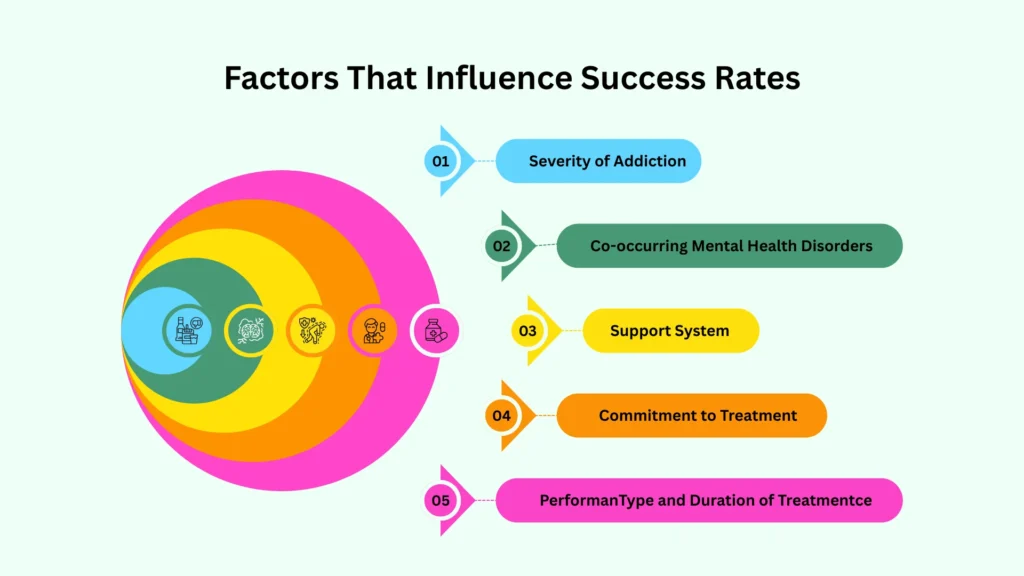
What are the 5 Factors That Influence Success Rates?
The rehab success rates of addiction recovery depend on various factors. Some of the most important include:
- Severity of Addiction: People with severe addiction may need more time or more intense therapy to achieve improvements.
- Co-occurring Mental Health Disorders: If someone is facing addiction and mental health conditions (such as depression or anxiety) at the same time. Success rates drop unless both conditions are treated at the same time.
- Support System: Having a strong network of family, friends, or a support group can increase the treatment success.
- Commitment to Treatment: The person is more likely to have successful treatment if they are committed to their recovery. A personalized treatment plan can help to improve commitment.
- Type and Duration of Treatment: Longer and more intense treatment programs usually work better, especially for people who have been addicted for a long time.
Looking to Achieve a Higher Success Rate for Drug Addiction?
Get in touch with the House of Zen to start your treatment for long-term recovery.
Access Effective Treatment At the House of Zen
Addiction is a lifelong battle, but with the right treatment, recovery is possible. Different treatment options come with variable success rates, and no one method works for everyone.
Behavioral treatments include CBT and DBT, Medication-Assisted Treatment, inpatient and outpatient rehabilitation, support groups, and holistic therapies. You can access these treatments at the House of Zen because they play significant roles in recovery.
Understanding the success rates of these treatments and the factors that influence them can help patients make educated decisions about their recovery journey. A personalized, multi-faceted strategy that deals with the physical, emotional, and mental sides of addiction is the key to recovery.
Common Questions and Answers About The Success Rates of Different Addiction Treatments For Drug Rehab
Let’s explore the answers to frequently asked questions about the success rate of addiction treatments.
Does rehab work for Alcoholics?
Yes, rehab works for alcoholics and offers a smooth recovery experience to those committed to treatment.
What is the success rate of rehab for alcoholism?
The estimated success rate of rehabilitation for alcoholism ranges from 25% to 60% for lasting sobriety.
What is the opioid rehab success rate?
The opioid rehab success rate is approximately 40% to 60% for long-lasting recovery.
What is a 30-day rehab success rate?
A 30-day rehab success rate is roughly 30% to 55% by reducing substance use.
Which addictions have the highest recovery rates after treatment?
Alcohol addiction has the highest recovery rates after treatment for alcohol use disorder.
Which addictions have the lowest recovery rates after treatment?
Addictions like methamphetamine and heroin have the lowest recovery rates after treatment.
