







Addiction may turn the family members into emotional responders, and they may consider involuntary rehab. Can you force someone to go to rehab? Yes, you can force someone into rehab, but individuals usually have the right to make their own addiction treatment decisions. It means individuals may consider involuntary rehab when someone may become dangerous to them due to substance abuse or co-occurring disorders. Understanding the California laws may help you make a well-informed decision during an addiction crisis.
✨ Highlights:
- Forcing someone to go to rehab is necessary when they have a severe condition.
- Consider California’s Involuntary Rehab Laws and 5150 Hold for forced rehab.
- Forced treatment is allowed in the case of court-mandated rehabilitation.
- Get personalized support from the House of Zen for smooth recovery.
Why Families Consider Getting Their Loved Ones in Rehab: Lose Them or Help Them
Most individuals do not consider forced rehab just because of the control or anger. They usually take this step out of desperation. Watching someone you love involved in drug or alcohol addiction may feel like a slow-moving disaster. Getting someone into rehab forcefully is considered in the case of frequent overdose or self-harm threats.
Treatment may become necessary when substance abuse starts triggering violent behaviors. It is important to consider immediate rehab help when family members or children are at risk due to the addiction. An individual may refuse attempts at voluntary rehab. The urgency to intervene is more intense than ever because addiction affects thousands of families.
Do You Want to Force Your Loved One to Rehab for the Lasting Recovery?
Help your loved ones by sending them to rehab at the House of Zen through the streamlined admission process to achieve and sustain long-term recovery.
Can California Law Compel Someone in Rehab? Understanding the State Laws
California laws and regulations protect individual freedom. It means individuals may have the right to refuse rehab help. However, there are exceptions because addiction may lead to a serious safety or mental health crisis.
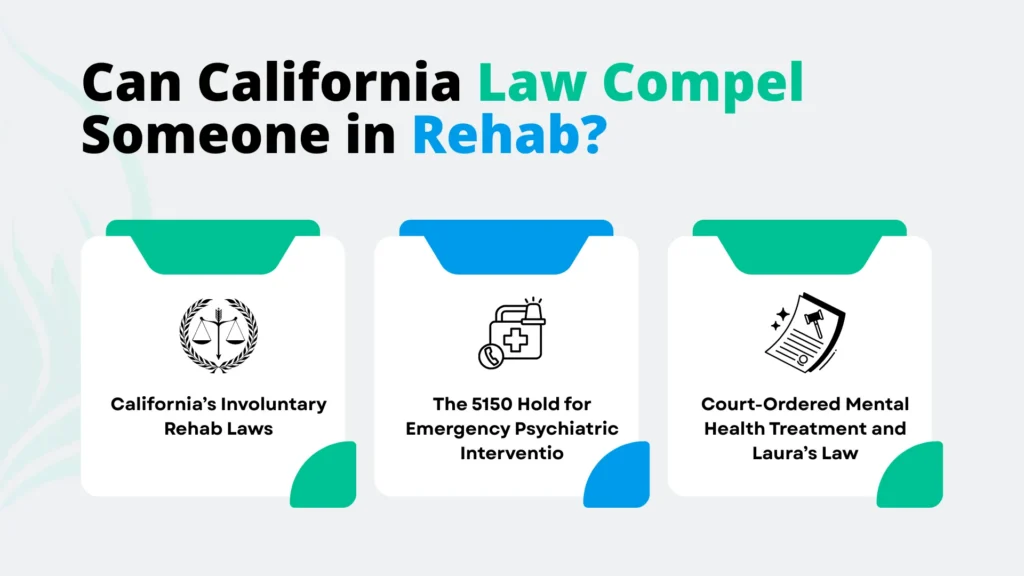
California’s Involuntary Rehab Laws
Involuntary addiction treatment is not as simple as admitting someone into a rehab facility against their will. Healthcare providers and courts may need to determine whether individuals pose a danger to themselves and others. Individuals feel “gravely disabled” due to substance abuse or mental health problems.
The rehab process for addiction may involve court involvement, emergency hold, or psychiatric assessment. It means direct family authorization alone is not required because it is important to consider the laws and regulations.
The 5150 Hold for Emergency Psychiatric Intervention
The most common emergency measure in California is the “5150 hold.” It allows law enforcement or qualified professionals to place someone in a 72-hour or 3-day psychiatric hold. This section of the California Welfare and Institutions Code is ideal when individuals become dangerous due to substance abuse or mental health conditions.
It is important to remember that a 5150 is not technically addiction rehab, but it acts as an initial step towards the streamlined treatment. During the assessment, the medical professionals may stabilize the individual’s condition and evaluate the mental health condition for addiction treatment.
It is very common in severe cases of addiction. Psychiatric intervention is required when someone is struggling with meth-induced paranoia and fentanyl addiction or overdose risks. It is important to get someone into the rehab in the case of alcohol-related psychosis and suicidal behavior during the withdrawal process.
Court-Ordered Mental Health Treatment and Laura’s Law
California offers different programs, such as Laura’s Law, which allows court-ordered outpatient mental health treatment to qualified individuals. It helps individuals who are struggling with severe mental health illnesses.
Laura’s Law doesn’t directly target addiction alone, but it may apply in the case of overlapping substance use disorder and untreated mental health conditions. It helps individuals to receive personalized psychiatric support to avoid life-threatening conditions.
💡 Did You Know
46 adults out of 1,000 were in involuntary rehab for a 72-hour assessment and treatment purposes.
Consider the Warning Signs for Quick and Safe Immediate Medical Intervention
Several individuals and families may wait too long because they are hoping that loved ones may eventually consider recovery their own. Unfortunately, addiction may not always pause long enough to make a voluntary decision. It is important to consider the warning signs that indicate the need for immediate and necessary intervention.
The common signs of alcohol addiction or drug abuse are several overdoses within a short time, extreme mood swings, threats of suicide, paranoia or hallucinations, and driving under the influence. Severe ignorance of medical help, food, or hygiene is also a sign of seeking immediate medical intervention.
Mixing drugs with alcohol or harmful medications indicates quick access to treatment. The emergency assessment or professional intervention may become necessary for smooth and lasting sobriety.
Is Forcing Rehab Helpful or Harmful? The Family Dilemma
There are emotional complications associated with the forced rehab in Los Angeles, California. Some families consider forced treatment as a lifesaving intervention. However, some families may view it as damaging trust and leading to resentment.

Potential Benefits of Court-Mandated Rehabilitation
Learning how to get someone into rehab is necessary based on the court-mandated treatment. The involuntary treatment may prevent an overdose risk and destructive behavior. It offers a safe medical detox, providing the initial step for long-term recovery. The court-mandated rehab also stabilizes the co-occurring mental health disorders.
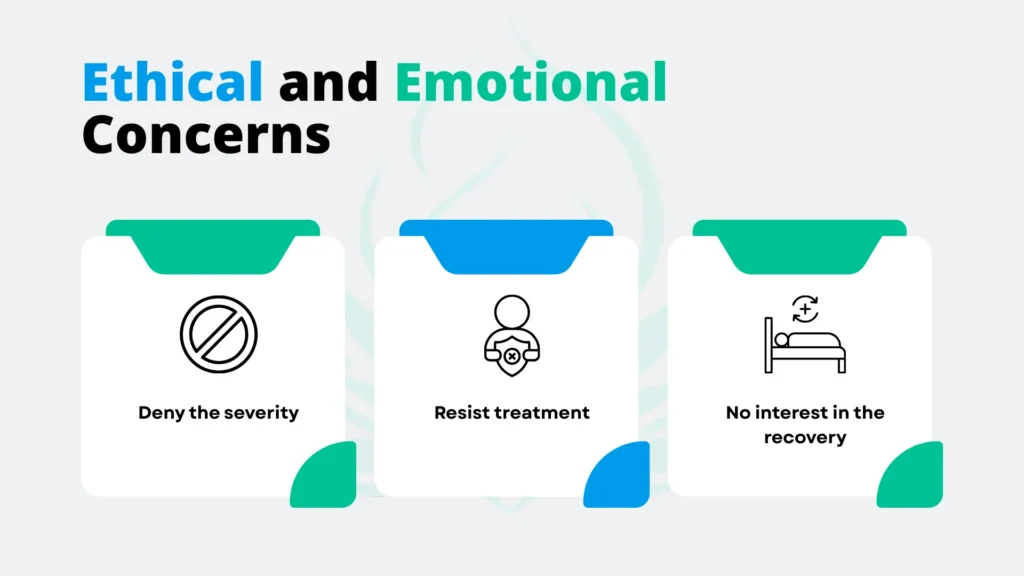
Ethical and Emotional Concerns
Addiction recovery becomes a smooth journey when individuals engage in the treatment. Someone forced into rehab may deny the severity of the condition, resist treatment, and show no interest in the recovery. Therefore, addiction rehab professionals focus on getting someone into treatment and motivating them during the recovery.
Intervention vs Involuntary Rehab: Which is the Ideal Recovery Journey?
Most families always look for professional intervention. An intervention rehab offers the treatment through effective communication and emotional accountability. A professional intervention may help families to consider healthy boundaries and avoid confrontation. It also allows individuals to share their concerns clearly and choose the right treatment.
Intervention is a successful option in several cases because of combining the consequences and compassion. It does not force someone into rehab through the legal system, offering a clear recovery journey.
What Happens After Someone is Forced into Rehabilitation? Personalized Treatment
Families usually imagine that forced rehab is a dramatic one-time treatment. However, recovery includes multiple phases. The step-by-step treatment approach allows individuals to recover smoothly and sustain long-term recovery.
Safe Medical Detox
The medically-supervised detoxification is the first step of the treatment. The certified and experienced team monitors the withdrawal symptoms and provides the medication to stabilize the condition. The medical detox, supervised by a qualified team, also ensures physical safety during the recovery process.
Personalized Treatment
Several people struggle with addiction and mental health conditions. At the House of Zen, we offer dual diagnosis treatment to address mental health and addiction simultaneously. Individual therapy, group counseling, Cognitive Behavioral Therapy (CBT), trauma-informed care, and medication management.
Aftercare Support
Recovery doesn’t end after the completion of the detox program or inpatient treatment for addiction. We offer personalized aftercare support to reduce the risk of relapse and increase the treatment retention rate. The ongoing care with family support improves the recovery for individuals.
How Families Can Support the Lasting Recovery: Recovery Alone is Difficult
Families play an effective role in their loved ones’ recovery journey. However, structured and healthy support is required to help someone during the recovery. Participating in family therapy is how to commit someone to rehab. It is important to encourage individuals to attend the treatment sessions consistently.
Avoiding the enabling behavior is also necessary for the smooth treatment process. It is a good approach to set compassionate and firm boundaries when helping loved ones struggling with addiction. Learning about addiction and relapse triggers allows families to contribute to lasting sobriety.
What are Alternatives to Forced Rehab in Los Angeles?
Even if you know how to get someone to go to rehab, it is important to consider the available alternatives. Choosing the right alternative depends on the severity of addiction and offering the ideal support. Partial Hospitalization Program (PHP) and Intensive Outpatient Program (IOP) allow individuals to receive care without full-time hospitalization.
Peer support programs and Medication-Assisted Treatment (MAT) are also ideal options to support sober living. The certified professionals at the House of Zen LA helps individuals with crisis stabilization, leading to sustainable recovery.
How to Choose the Right Rehab Center for Long-Term Sobriety
Not all rehab centers offer the same level of care to individuals struggling with substance abuse and mental health conditions. It is essential to evaluate the rehab centers before making the final decision on treatment. Here’s what you should look for when choosing a rehab center to get someone into rehab.
- Accreditation and license
- Same-day admission
- Treatment options
- Insurance coverage
- Self-pay option
- Dual diagnosis expertise
- Family involvement
Ready to Get Your Loved Ones into Rehab?
Schedule an Appointment Today and Receive the Personalized Help from the House of Zen LA.
Get Help from the House of Zen for Personalized Rehab in Los Angeles, California
Addiction may make the families powerless, particularly when a loved one refuses to receive help. Receiving the structured support from the House of Zen LA is necessary when individuals’ health and safety decline. Let’s call +1 (844) 717-7069 and schedule your appointment today for a smooth recovery!
Answers to Frequently Asked Questions About Forcing Someone to Go to Rehab
Common questions about compelling someone to go to rehab are answered here.
Can you force someone into rehab in California?
Generally, you cannot force someone into rehab unless they pose dangers to themselves or others due to a mental health condition or substance use disorder. Court-ordered or emergency psychiatric care is recommended in severe cases.
How to deal with an addict who won’t get help?
If you are unable to convince an addict who is not interested in help, it is essential to consult with the intervention specialist. The certified professional encourages the individuals to get the required help.
What if someone doesn’t want to go to rehab?
Court-mandated or involuntary rehab are the available options when someone does not want to go to rehab. These are conditions when an individual needs to go to a rehabilitation center to receive treatment.
Can a patient be forced to go to rehab?
Involuntary commitment laws state that a patient can be temporarily forced to go to rehab for a substance use disorder or mental health condition.
What is it called when you are forced to go to rehab?
It is called involuntary rehabilitation when you are forced to go to rehab for mental health or substance abuse treatment. During such a condition, there is no need for consent from an individual who is being forced to rehab.
What happens when you 5150 someone?
This legal provision allows law enforcement or authorized professionals to involuntarily detain someone for up to 3 days or 72 hours for a psychiatric assessment and crisis stabilization.
