





Addiction changes the functionality of the brain, affecting emotions, motivation, self-control, and decision-making skills. Repeated substance abuse alters the brain’s reward system, whether individuals are struggling with alcohol or drugs. Understanding how long to rewire the brain from addiction may help you achieve mental stability. Rewiring the brain from substance use disorder may take a few weeks to several months. The exact duration depends on the type of substance, overall health, duration of addiction, and treatment.
✨ Highlights:
- Addiction affects dopamine, prefrontal cortex, and hippocampus areas of the brain.
- Rewiring the brain from addiction starts within 1 to 3 days and lasts beyond 1 year.
- Addiction withdrawal, early recovery, and lasting sobriety are phases of brain rewiring.
- Better sleep, emotional stability, and improved memory are signs of brain recovery.
How Alcohol and Drug Addiction Affects the Different Areas of the Brain
Alcohol use disorder and drug dependence may affect the communication between nerve cells and the balance of neurotransmitters like dopamine. The reward system in the brain releases dopamine during pleasurable moments. Drug and alcohol addiction raises the dopamine levels beyond the natural level. The brain may become dependent on substances to feel the same level of pleasure.
The prefrontal cortex is responsible for judgment, planning, impulse control, and decision-making. Substance dependence weakens this area, making it challenging to consider long-term consequences or resist cravings. The amygdala regulates different emotions such as stress, anxiety, and fear. This area of the brain becomes overactive during addiction and withdrawal, leading to emotional distress and mood swings.
The hippocampus is responsible for forming memories while supporting learning. Substance use disorder can impair memory and make it difficult to develop healthy habits for supporting recovery. The basal ganglia reinforce routines and habits. Addiction leads to the powerful drug-seeking behaviors that are deeply ingrained. The risk of relapse becomes higher without proper treatment.
Can the Brain Recover from Addiction?
The brain can recover significantly after addiction. Some changes in the brain are persistent due to severe or prolonged substance addiction. There is a continuous development of new neural pathways through neuroplasticity in the brain. Brain recovery usually starts as soon as individuals stop using substances.
There is a gradual stabilization in dopamine production when the brain adapts to normal function without drugs or alcohol. It also improves the communication between neurons, while cognitive functions also become normal. Individuals also experience improvement in concentration, memory, motivation, emotional regulation, stress management, and sleep quality. However, the healing process is gradual, depending on the individual’s condition.
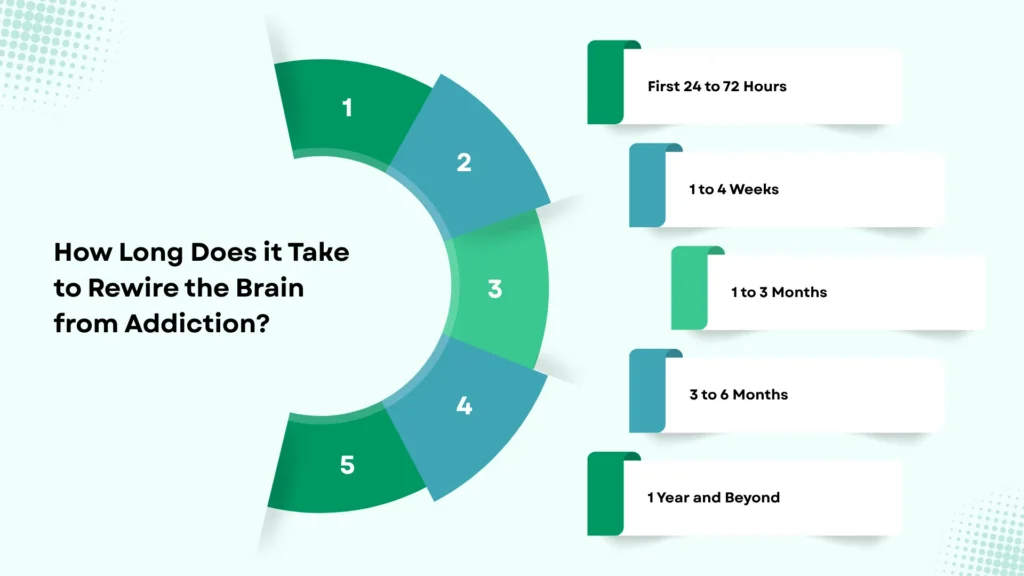
How Long Does it Take to Rewire the Brain from Addiction?
The rewiring of the brain from addiction is different for every individual. There are different factors affecting the recovery journey, including age, genetics, mental health, type of substance, and timeline of addiction. These factors, including stages of drug addiction, influence how smoothly the brain heals from substance addiction.
First 24 to 72 Hours
The first few are physically challenging for individuals, considering brain stabilization from the physical dependence on substances. Dopamine level becomes significantly lower, and individuals experience withdrawal symptoms. The withdrawal symptoms may include increased irritability, anxiety, sleep disturbance, and intense cravings. It is an initial phase in which the body focuses on removing toxins and stabilizing itself in the absence of substances.
1 to 4 Weeks
Withdrawal symptoms start to disappear during the first month. The brain also starts to restore its chemical balance. Individuals experience better concentration with improved sleep and energy. There are also slight improvements in mood with reduced physical symptoms. Individuals may still experience frequent cravings due to a familiar environment or stress. The professional treatment is beneficial during this phase of rewiring the brain from addiction.
1 to 3 Months
There are notable improvements in cognitive functions during 1 to 3 months. Individuals experience improved memory with better emotional stability and stronger decision-making skills. They also have enhanced focus with increased motivation. However, some individuals can develop Post-Acute Withdrawal Syndrome (PAWS). It leads to cravings, anxiety, fatigue, and mood swings that become lessened over time.
3 to 6 Months
The brain continuously strengthens healthy neural pathways. Several people acknowledge better stress management, more consistent mood, reduced cravings, and greater confidence. They also note improvement in relationships and increased enjoyment of daily activities. Healthy routines such as balanced nutrition, therapy, adequate sleep, and exercise may contribute to better brain recovery during this stage of brain rewiring.
6 to 12 Months
This recovery phase involves a significant neurological healing process during the first year of recovery. Individuals may have improved impulse control, better emotional resilience, and higher productivity. They also notice more stable dopamine regulation, strong executive function, and increased mental clarity. However, occasional and less frequent cravings can occur, which are easy to manage for individuals struggling with addiction and co-occurring mental health disorders.
1 Year and Beyond
The recovery journey continues beyond the first year. The brain consistently adapts through lifelong neuroplasticity, allowing individuals to build healthier habits and long-term emotional resilience. Individuals can also develop stronger coping skills for stable mental health with emotional regulation. There is improved cognitive performance with life satisfaction and ongoing support for relapse prevention and lasting sobriety.
Looking for Smooth Rewiring of the Brain from Addiction?
Get in touch with the House of Zen to gain smooth mental stability after addiction.
What are the Different Phases of Brain Rewiring?
Rewiring the brain from addiction is a gradual process rather than a single process. As the brain starts functioning smoothly again without substance use disorder, it moves through different phases of healing. Each phase of recovery offers cognitive, emotional, and physical changes to support lasting recovery.
Addiction Withdrawal
Withdrawal is the first stage that starts shortly after a person stops using addictive drugs or alcohol. The brain struggles to function properly without substances that lead to anxiety, insomnia, mood swings, cravings, and physical discomfort. Addiction withdrawal is a challenging process, but it indicates the healing process for the brain.
Early Recovery
Early recovery ranges from initial weeks to several months of sobriety. The brain starts to restore neurotransmitter balance and form healthier neural pathways. Several individuals note emotional stability, enhanced concentration, stable energy levels, and improved decision-making skills.
Long-Term Sobriety
Long-lasting recovery is an ongoing process that continues for several months or even years. The reward system of the brain becomes more responsive to natural pleasures with improved emotional regulation and healthy habits. Continuous therapeutic sessions and support groups reduce the risk of relapse while reinforcing positive changes.
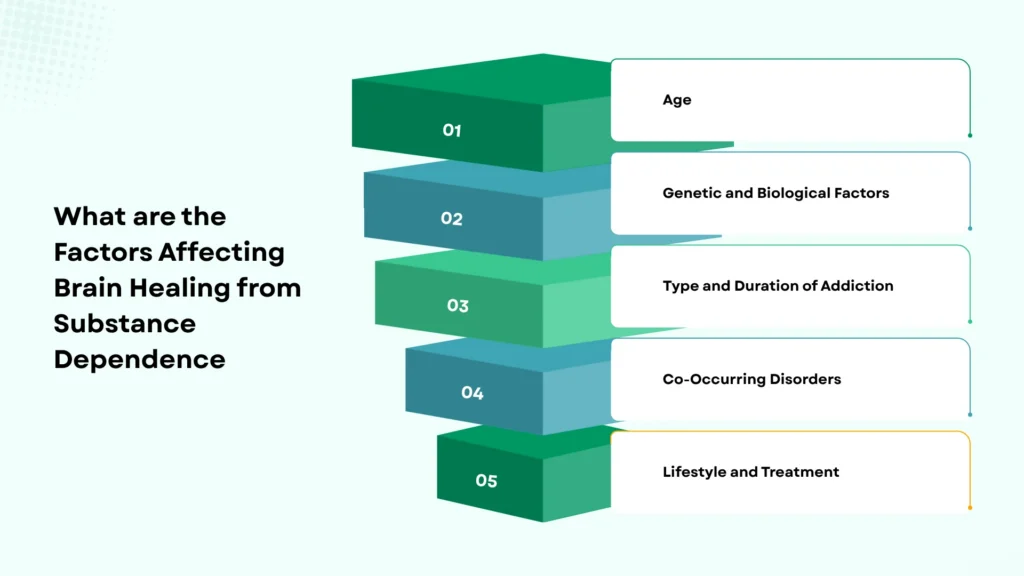
What are the Factors Affecting Brain Healing from Substance Dependence
Every individual has a unique recovery journey during rewiring the brain from alcohol or drug addiction. There are different factors, ranging from age to lifestyle, contributing to the connection between addiction and the brain among individuals. Understanding factors may help individuals
Age
Younger individuals usually experience quicker neurological recovery due to the great neuroplasticity of their brains. However, individuals of all ages may note significant improvement with a healthy lifestyle and consistent treatment.
Genetic and Biological Factors
Genetics plays a major role in physical dependence on substances and the brain’s response to recovery. Individuals have different brain chemistry, physical health, and metabolism that influence withdrawal severity and recovery speed.
Type and Duration of Addiction
The type of substance, how it was abused, and the duration of addiction affect the substance use disorder recovery timeline. Heavy or long-term use of substances like alcohol or crystal meth may require more time for rewiring the brain from addiction.
Co-Occurring Disorders
Mental health conditions such as anxiety, bipolar disorder, PTSD, or depression influence addiction among individuals. It is necessary to treat both addiction and co-occurring mental health disorders for a better brain healing process.
Lifestyle and Treatment
Consistent participation in effective treatment sessions improves brain recovery significantly. Therapy, regular exercise, nutritious meals, social support, and stress management strengthen neural pathways for lasting recovery.
💡 Did You Know
Addiction is a chronic disorder that rewires the brain’s chemical processes and physical structure.
Signs Your Brain is Healing Smoothly After Addiction
When the brain recovers from addiction, several individuals start noticing improvement in daily functioning, emotions, and thoughts. These improvements indicate the formation of new, healthier neural pathways and balance of the brain’s reward system. Moreover, understanding the neurobiology of addiction may help you understand what happens to the brain during substance use.
Better Concentration and Focus
One of the earliest signs of brain recovery is improvement in mental clarity. The overwhelming tasks may become easy to complete because individuals find it comfortable to focus at home or work responsibilities.
Better Sleep
Addiction usually disrupts an individual’s normal sleeping patterns. Individuals experience falling asleep easily, decreased nighttime awakening, and improved sleep quality. A better sleep experience allows the brain to repair itself significantly.
Emotional Stability
There is also stability in intense emotional reactions, irritability, and mood swings over time. Several people start to feel more balanced and calmer in managing stress without depending on alcohol and drugs.
Improved Memory
Learning abilities and memory improve with the recovery of the hippocampus. Individuals also find it easy to remember the appointments and conversations. Improved memory helps them stay focused in daily life.
Reduced Cravings
Craving may become less intense and less frequent because the reward system of the brain is healed effectively. Individuals usually gain greater control over how they respond to the occurrence of potential triggers.
Increased Motivation
Natural sources of achievement and pleasure may become rewarding again for individuals. Many individuals regain their interest in personal goals, hobbies, exercise, work, and relationships, indicating improvement in brain health.
How House of Zen Provides Support for Brain Recovery from Addiction
House of Zen LA offers luxury rehab services to individuals who are struggling with substance addiction and co-occurring disorders. Our treatment programs support the brain’s healing process while helping individuals develop healthy habits to reinforce sobriety. Here is how to rewire your brain from addiction through professional help.
Addiction Treatment
We offer personalized treatment to address the psychological and physical aspects of substance use disorder. Treating addiction individually builds a solid foundation for a smooth brain recovery experience.
Behavioral Therapies
Structured behavioral therapy sessions help individuals identify potential triggers and effectively address unhealthy thought patterns. Our professional therapists enable individuals to build healthy coping skills and strengthen neural pathways.
Regular Physical Activities
Exercise increases blood flow to the brain and promotes the release of chemicals to support neuroplasticity. Regular physical activities help individuals improve their concentration, mood, and overall brain health.
Stress Management
Chronic stress may disturb the brain healing journey. We help our clients learn strategies like mindfulness practices and relaxation techniques to calm the nervous system. Proper stress management also reduces the risk of relapse.
Nutrition and Sleep
Restorative sleep and proper nutrition provide essential resources to the brain to repair the broken connections. A good combination of nutrition and sleep also helps individuals restore healthy functioning.
New Healthy Routine
Replacing substance-related behaviors with healthy habits may make the recovery more sustainable for individuals. We help individuals build a routine that supports brain healing, emotional stability, and physical health.
Reset Your Brain After Addiction with the help of House of Zen
The certified rehab professionals available at our rehab center help you stabilize your brain after addiction.
When You Should Seek Help for Rewiring Your Brain from Addiction
Individuals note improvement in many aspects of recovery, but professional help is required for long-term sobriety. You should seek personalized treatment from the House of Zen LA for a safe brain-rewiring process if you experience:
- Persistent or intense cravings
- Dangerous withdrawal symptoms
- Repeated relapse after sobriety
- Severe depression or anxiety
- Feelings of isolation or hopelessness
- Difficulty functioning at home or work
Rewire Your Brain from Addiction with the Help of House of Zen
Healing is an immediate and gradual process when you are looking for how long to rewire the brain from addiction. At the House of Zen LA, we help our clients bring significant changes within weeks or months. Staying sober and participating in treatment supports the natural recovery of the brain after addiction. Let’s get in touch and verify insurance to start your recovery journey today at our rehab center!
Answers to Common Questions About Addiction and Brain Rewiring
Frequently asked questions about rewiring the brain from addiction are answered here.
How many days to rewire the brain from addiction?
There is no fixed number of days to rewire the brain from addiction because the recovery timeline can vary from one person to another. The initial healing starts within 1 to 3 days, with significant improvement within 30 to 90 days.
How to reset your brain from addiction?
Resetting your brain from addiction takes time because individuals need both healthy habits and consistency to support the brain’s natural recovery. Avoiding substance consumption and attending treatment may help you reset your brain.
What are the signs your brain is rewiring?
Healthy habits, better sleep, improved concentration, emotional stability, reduced cravings, improved memory, and increased motivation are the signs that your brain is rewiring from alcohol and drug addiction.
How to reset your dopamine after addiction?
You may reset your dopamine after addiction through consistent healthy habits and patience. Rebalancing the reward system of the brain is possible through neuroplasticity. Stress management and quality sleep rest the dopamine level.
How long does it take for dopamine to go back to normal after addiction?
The time it takes for dopamine to go back to normal after addiction depends on the type of substance, the severity of addiction, duration, and overall health. Commonly, dopamine levels may become normal within weeks to up to several months.
What depletes dopamine the most?
Addictive substances such as cocaine and meth deplete dopamine the most. These substances flood the brain to downregulate the receptors to protect itself. It may lead to a lack of motivation while causing apathy.
