

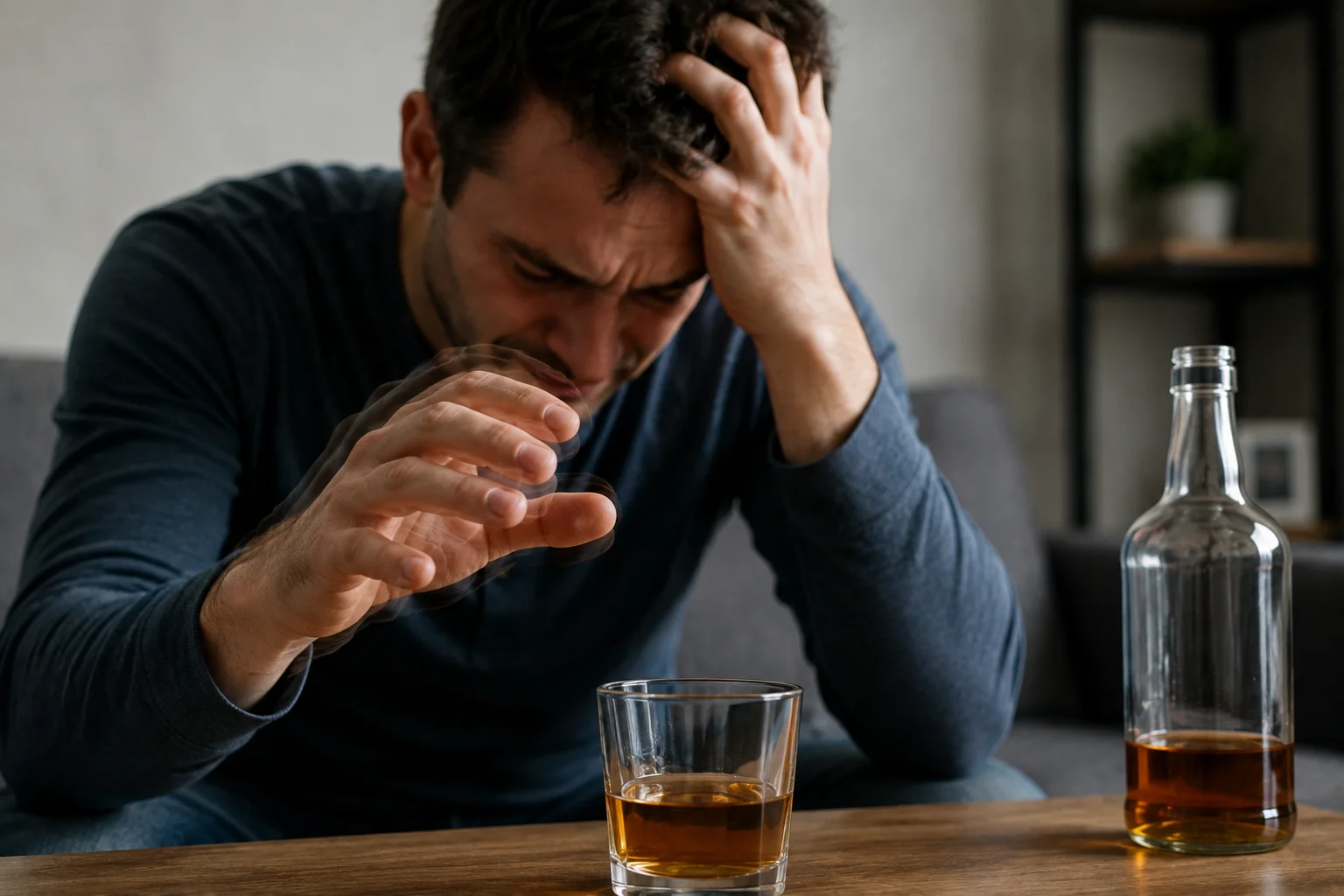




In today’s modern era, mental health problems and substance abuse disorders often combine, creating a web that can seem overwhelming. At House of Zen, which is a leading drug and alcohol rehab center dedicated to holistic treatment, we recognize the profound effects of dual diagnosis particularly when depression is involved. This condition, also referred to as co-occurring disorders, impacts millions of people around the world, which makes integrating treatment essential to achieve long-term recovery.
In this thorough guide, we’ll examine the impact of dual diagnosis that includes anxiety and depression, starting from the effects and causes to treatment options. If you’re seeking treatment for your own or for a loved one, knowing the interplay between depression and anxiety can be the initial step to returning to a more balanced and healthy life.
Understanding Dual Diagnosis and Depression’s Role
Dual diagnosis is the term used when an individual is battling simultaneously a substance use disorder as well as a mental health condition at the same time. As per the Substance Abuse and Mental Health Services Administration (SAMHSA) there are more than 9.2 million U.S. adults who live with co-occurring disorders. Depression is among the most frequent mental health issues. Major depression (MDD) is characterized by constant despair, sadness, and low motivation, which typically leads people to turn to self-medicating with alcohol or drugs, which can lead to addiction.
Essential facts regarding dual diagnosis:
- Around 50% of people suffering from mental illness have a problem with addiction to drugs.
- Common substances are alcohol, opioids, cocaine, and prescription drugs.
- If not treated, dual diagnosis can increase the risk of relapse by more than 60 percent.
In House of Zen Rehab, our integrated treatment plan addresses both addiction and depression by addressing the root of the problem to break the cycle.
How Depression Fuels Addiction
Addiction and depression are deeply intertwined, with addiction often acting as a catalyst for depression. This destructive cycle is created:
Self-Medication and Temporary Relief
The overwhelming signs of depression – like depression’s overwhelming symptoms of sadness, fatigue, and feeling of inadequacy, tend to lead people to seek out relief. Alcohol or other drugs can provide temporary relief from emotional pain and temporarily boost mood. For instance:
- Alcohol can provide a brief sense of calm; however, it can worsen depression symptoms as time goes by.
- The effects of stimulants such as cocaine include temporary euphoria. This is followed by massive crashes that intensify despair.
- Opioids can ease pain and emotional suffering, but can lead to dependency, which can trap people in a cycle of dependency.
Self-medication can be an escape mechanism. However, it’s a double-edged sword, which fuels addiction.
Brain Chemistry and Reinforcement
Substances alter neurotransmitters such as dopamine and serotonin, which are already affected in depression. The neuron’s reward circuit, which makes it dependent on drugs to be “normal.” This creates a feedback loop
- Depression decreases dopamine levels naturally, which causes the use of drugs to make up for it.
- Substance use also reduces serotonin, which can trigger depressive symptoms.
- As time passes, the brain begins to associate drugs with relief, thereby enhancing the addiction.
The National Institute on Drug Abuse (NIDA) mentions that long-term drug use can trigger neuroadaptations, which can make recovery with professional assistance difficult.
Psychological and Environmental Triggers
Depression can trigger negative thoughts that include feelings of despair or lack of confidence and can be brought on by stress, trauma, or social loneliness. These causes can cause people to turn to drugs as a false way of coping. Environmental stressors-like financial strain or toxic relationships-further entrench this cycle, as depression makes it harder to seek healthier solutions.
The Devastating Impacts of This Cycle
If addiction is fueled by depression in two-disease situations, effects are felt throughout life, which makes early intervention crucial.
Physical Health Consequences
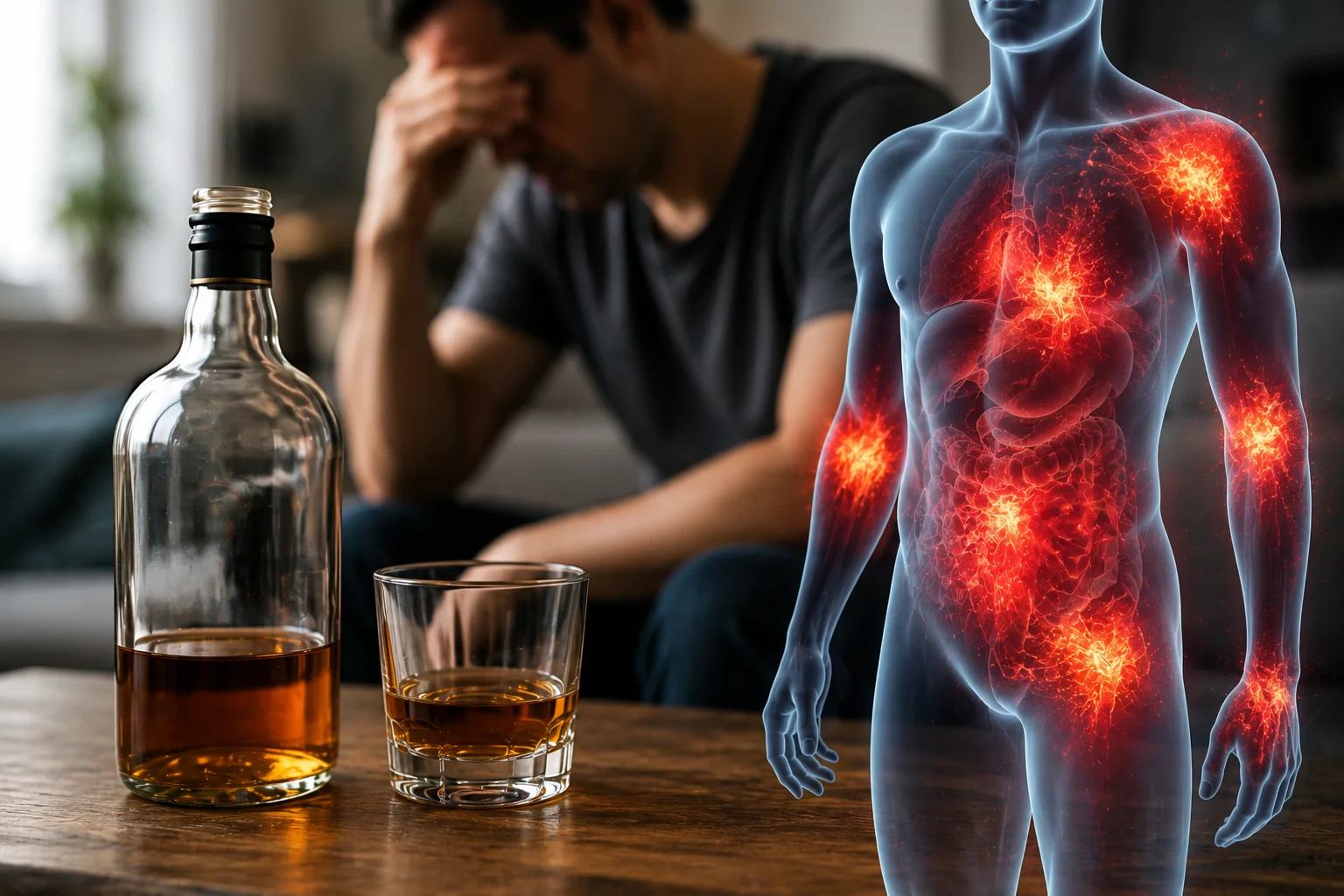
The combination of addiction and depression increases physical decline
- Cardiovascular Strain Alcohol and stimulants can increase the risk of heart disease, and depression’s sedentary effects exacerbate the problem.
- Sleep deprivation and diet due to depression, when combined with abuse of substances, can increase susceptibility to disease due to weak immunity.
- The liver damage caused by alcohol or respiratory problems caused by opioids is exacerbated by delays in medical treatment due to depression and Apathy.
- Neurological decline, memory loss, and brain fog are the result of both of these conditions.
The World Health Organization (WHO) estimates that untreated dual diagnosis may decrease life expectancy by 15 years.
Mental and Emotional Toll
The role of depression in fostering addiction is a burden on the emotional side:
- Withdrawal from substances can trigger or intensify depressive symptoms or suicidal thoughts.
- CDC states that there is a 10 to 15 times greater risk of suicide for patients who have a dual diagnosis, compared to the overall population.
- Emotional volatility, Mood changes, panic, or hallucinations caused by drugs increase the emotional instability of depression.
- Hopelessness Loop Inability to overcome addiction causes feelings of guilt and shame and depression, which can get worse.
Social and Relational Fallout
The cycle shatters social relations and status:
- The loss of trust is caused by drug use that is secretive or depressive withdrawal, frequently leading to discord.
- Absenteeism related to depression and impairment due to substance use can cause job loss as well as financial instability.
- A stigmatization of both of these conditions prevents people from seeking help, which leads to a rise in loneliness.
- Drug-related behavior could result in arrests or legal issues and further isolate individuals.
Economic and Societal Costs
Dual diagnosis creates a substantial social burden:
- The cost of healthcare is rising due to frequent hospitalizations and emergencies.
- SAMHSA estimates that mental health problems result in millions of people in the U.S. losing over $300 billion each year in lost productivity and costs for treatment.
Recognizing the Signs of Dual Diagnosis
It is essential to detect the issue early to stop the cycle. Check for these signs:
- A persistent sadness, anger, or a sense of hopelessness that lasts for more than two weeks.
- The use of drugs to deal with emotional hurt.
- In the case of withdrawal, symptoms can include tremors and nausea, or extreme mood shifts.
- A lack of interest in activities, accompanied by suspicious behavior regarding substances.
- Physical indicators like weight fluctuations, hygiene issues, or marks that are specific to the substance (e.g. track marks caused by injections).
If you notice these signs, then professional assistance at HoZ is required.
Breaking the Cycle: Effective Treatment Strategies
Reversing the cycle of depression-driven addiction requires a holistic approach that tackles both disorders simultaneously. At House of Zen Rehab, we integrate holistic and evidence-based approaches to achieve full recovery.
Integrated Treatment Approaches
- A medically-supervised detox safely handles withdrawal, while treating depressive symptoms using medications such as antidepressants and anti-craving drugs (e.g. Naltrexone, naltrexone).
- Therapies Tailored for Dual Diagnosis:
- Cognitive Behavioral Therapy (CBT) is a method of rewiring negative thinking patterns and developing resilience skills to deal with the symptoms of depression as well as cravings.
- Dialectical Behavior Therapy (DBT) teaches the art of mindfulness and emotional control to help break the dependence on drugs.
- Motivational Interviewing boosts the commitment to sobriety and recovery from mental illness.
- The Medication-Assisted Treatment (MAT) is a combination of medications for depression (e.g., SSRIs like sertraline) with specific medications for addiction to improve mood and decrease cravings.
- Yoga meditation and art therapy align with our Zen concept, which promotes inner peace and resilience.
Building a Support System
- Group Therapy: Connects people with others who have similar struggles and fosters a sense of community.
- Family Therapy: Builds trust and relationships with family members.
- Aftercare Programs include: Sober living, regular counseling, and support groups such as Double Trouble in Recovery, to prevent relapse.
- Lifestyle changes: Nutrition plans as well as exercise and strategies for managing stress, dealing with depression’s root causes.
Studies have shown that integrated treatment increases the rate of recovery to 70%, as opposed to 20-30% for non-integrated treatments.
How House of Zen Rehab Breaks the Cycle
In the House of Zen Rehab, we’re dedicated to helping clients beat the mental and physical addictions that cause depression. Our trigger-free, comfortable facility offers customized treatment plans developed by psychotherapists, psychiatrists, and holistic professionals. We address depression and addiction with compassion, understanding and guidance, we help you achieve long-term recovery. Our admissions staff is available 24/7 and waiting to offer confidentiality. Contact us now to begin your journey.
Conclusion
Depression can lead to addiction when it’s a dual treatment, creating a cycle that seems unbreakable, but it’s not. If you understand how depression influences addiction and seek out integrated treatment, you will be able to regain your life. At House of Zen Rehab, we are ready to assist you every step of the way by providing holistic, evidence-based treatment.
Start by taking the first step in breaking the cycle. Contact House of Zen Rehab now to schedule a private consultation, or visit our blog for more information. The road towards recovery and hope starts right here.
