


Why does alcoholism run in families? Yes, alcohol use disorder (AUD) runs in families due to environmental factors and genetic predisposition. Children of parents with a history are approximately 3 to 4 times more likely to develop alcohol use disorder. That’s why genetics is more responsible for alcoholism in families. If you are struggling with genetics or hereditary alcoholism, contact House of Zen for structured treatment.
✨ Key Takeaways:
- Alcoholism runs in families and affects them.
- Genetics and heredity may influence alcohol use disorder.
- Learning drinking behaviors and early exposure contribute to alcoholism.
- Get instant support from the House of Zen for alcohol addiction treatment.
Is Alcohol Addiction Genetic?
Yes, alcohol addiction is influenced by genetics. There are different genetic problems leading to the likelihood of drinking or alcoholism. According to Cambridge University Press, genetics is responsible for 50% of the risk of an individual developing alcoholism or alcohol use disorder.
Does alcoholism run in the family? Yes, alcoholism runs in families, and genetic components are one of the major contributors to alcoholism in families. The genetic variation ALDH2*2 allele reduces the risk of alcohol addiction. This common genetic variation in the Asian population is associated with reducing the risk of alcoholism.
Is Alcoholism Hereditary?
Yes, alcoholism is hereditary because of the higher genetic risk factors contributing to the alcohol use disorder. There is a combination of genes that drives individuals to alcohol addiction and tolerance. The environmental exposure and genetic inheritance influence alcoholism.
Children raised in families where alcoholism is common may inherit the specific genetic traits and internalize drinking behaviors. This dual influence may increase the likelihood of alcohol use disorder later in life. Alcohol heredity includes early exposure, social influence, and lifestyle patterns.
Are You Experiencing Alcoholism Due to Heredity or Genetics?
Don’t worry, and receive immediate help with structured treatment from the House of Zen for lasting recovery.
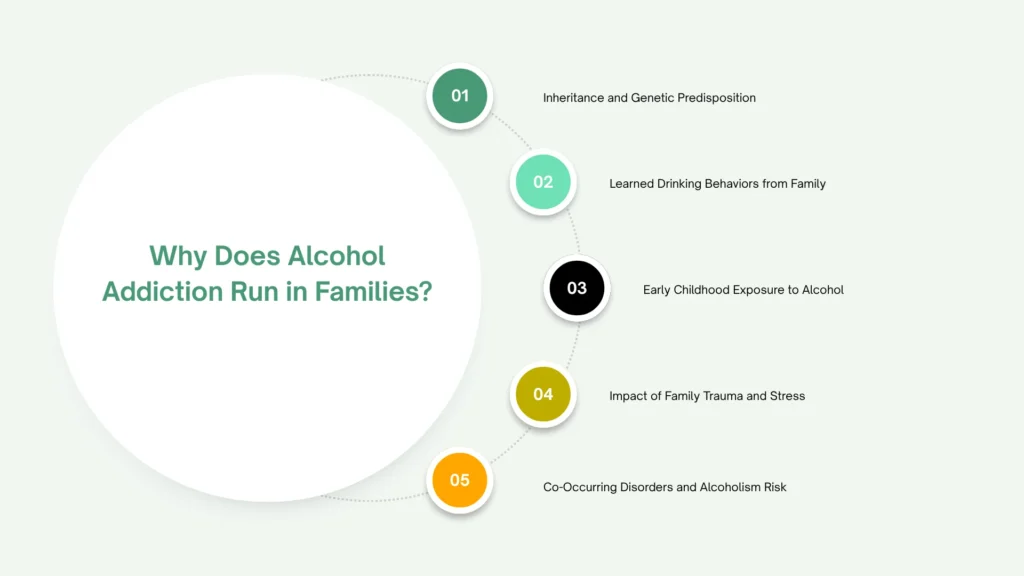
Why Does Alcohol Addiction Run in Families?
Alcohol addiction may run in families due to different psychological, environmental, and biological factors. These factors influence unhealthy drinking patterns among individuals over time.
Inheritance and Genetic Predisposition
Can alcoholism run in the family? Yes, because genetic factors that are passed through generations influence alcohol use disorder. Specific genes affect how an individual’s brain responds to stress, controls impulses, and processes pleasure. Individuals with these traits may experience a strong craving, increasing the chances of dependency.
Indeed, genetics is not alone responsible for alcohol addiction. The personal and environmental factors have a major role in alcohol dependence rather than just the biological risk. Understanding genetic predisposition may help individuals have knowledge of their risk level and limit their alcohol use.
Learned Drinking Behaviors from Family
A family environment contributes to an individual’s perception of alcoholism. When children grow up in a house where drinking is normalized, they associate alcohol with celebration, relaxation, and stress coping. These behaviors are commonly carried into adulthood, increasing alcoholism patterns.
Children observe drinking behavior and how their parents handle challenges and emotions with alcoholism. Alcohol may become a default coping mechanism when individuals consistently use it to deal with issues. Therefore, learned drinking habits make it difficult for individuals to build healthier emotional responses.
Early Childhood Exposure to Alcohol
Early exposure to alcoholism is another factor influencing alcohol addiction in families. People who begin drinking at a young age are likely to develop alcohol dependency in their lives. This early exposure is a primary reason because individuals’ brains are still in the development phase, with vulnerability to substance abuse.
The earlier experience with alcoholism shapes long-term alcohol use. It may reduce the perception of risk associated with alcoholism. Casual drinking without proper boundaries leads to frequent and increased alcohol use. It gradually raises the risk of problematic alcohol drinking behaviors among children.
Impact of Family Trauma and Stress
Family trauma, conflict, or stress may lead to alcohol addiction. Growing up in an emotionally challenging or unstable environment can encourage individuals to escape or seek comfort through alcoholism. This coping mechanism may evolve into an addiction over time without a healthier support system.
Trauma, like chronic stress, abuse, or neglect within families, may affect mental health and emotional regulation. Using alcohol as a stress relief is one of the signs of alcoholism, leading to unhealthy drinking patterns. Addressing trauma is necessary to break the cycle of addiction for long-term sobriety.
Co-Occurring Disorders and Alcoholism Risk
Mental health conditions such as mood swings, depression, and anxiety disorders may lead individuals to alcoholism. These problems may run in families and influence the likelihood of using alcohol to manage emotional distress. Without mental health treatment, these struggles may intensify alcoholism and make recovery more difficult.
There is a deep interconnection between alcohol addiction and mental health. Alcohol use may offer short-term relief but worsen alcoholism symptoms. It also creates a cycle of addiction that is not easy to break without professional help. Recognizing and treating both conditions with dual diagnosis treatment is essential for long-term recovery.
How to Stop the Family Cycle of Alcohol Addiction
Awareness is the foundation for sobering up from alcohol with effective alcoholism recovery support. However, intentional action and proper treatment are required for long-lasting sobriety. Early intervention, emotional support, and healthier habits may help families to overcome the generational pattern of alcoholism.
Recognize and Accept Alcoholism Pattern
- You may identify unhealthy alcohol use patterns and help the family to understand the root causes of addiction.
- It’s important to understand the environmental and genetic risk factors contributing to alcohol addiction.
- Understanding the past habits of the family is important to make the essential decisions to overcome alcoholism.
- Developing alcohol addiction awareness may allow you to break the cycle of addiction rather than repeating it.
Set Clear Boundaries for Alcohol Use
- You need to avoid or limit the use of alcohol, particularly when you have a higher risk of dependency.
- Setting clear boundaries for alcohol use within the family helps you develop healthier norms.
- Keeping yourself away from social gatherings that may encourage excessive alcohol drinking leads to temptation reduction.
- Preferring long-term health over social influence and alcohol consumption is necessary for lasting recovery.
💡 Did You Know
Approximately 178,000 deaths are caused by excessive drinking every year in the United States of America.
Focus on Healthy Coping Mechanisms
- It’s a good strategy to replace alcohol use with positive stress-relief habits and improve both physical and mental health.
- Practicing healthy activities such as journaling, exercise, and mindfulness helps individuals manage daily stress.
- Learning effective emotional regulation skills may allow families to handle daily life challenges without relying on alcohol.
- It is recommended to address the triggers directly instead of escaping them, which may reduce the risk of relapse.
Seek the Earlier Professional Support
- Seeking structured counseling or therapy is necessary for guidance during the recovery process.
- Joining the alcoholism recovery support groups may help you stay accountable with peer support.
- Consider the structured treatment programs from the House of Zen to achieve and maintain recovery.
- Family therapy is an effective approach that can resolve deep-rooted problems while improving relationships.
Build a Supportive Family System
- It is crucial to encourage open conversation about alcohol addiction, which helps in removing stigma while building family trust.
- Educating family members about the challenges of alcohol addiction is helpful for prevention.
- Building a low-stress and stable home environment plays a key role in supporting a healthier life.
- Providing support to each other within the family improves the relapse prevention and recovery rate.
What are the Tests for Diagnosing Alcohol Addiction?
Physicians consider different tests to diagnose alcoholism. Diagnosing alcohol use disorder at an early stage is important to receive structured treatment. Here are some tests for the AUD diagnosis.
The Alcohol Use Disorders Identification Test (AUDIT)
This test is a 10-item self-reported and clinician-administered assessment for drinking behavior, alcohol consumption, and alcohol-related issues. Different questions are asked to assess the alcoholics’ condition. A score of 8 or higher indicates harmful alcohol use.
The Carbohydrate-Deficient Transferrin (CDT) Test
It is a blood test that is used to detect the biomarkers of excessive alcohol consumption. This test can potentially detect if someone is a daily heavy drinker or a binge drinker. It approximately takes 2 to 4 weeks to return to the normal range.
Electroencephalography (EEG)
It is a non-invasive test that involves a diagnostic and screening tool to identify individuals with possible alcoholism. The small metal discs are utilized to record the electrical activity of the brain for alcohol consumption.
Does Alcoholism Run in Families and Need Personalized Support?
Contact the House of Zen for personalized alcoholism treatment to address the underlying problems.
Schedule an Appointment for Alcoholism Treatment at House of Zen
Does alcoholism run in families and affect them badly? Yes, alcoholism can affect families, leading to conflicts. It’s important to consider the effective treatment from the House of Zen LA to recover smoothly from alcoholism. Let’s call us today to start your treatment for lasting sobriety!
Answers to Most Asked Questions About Alcoholism Running in Families
Frequently asked questions about alcoholism running in families are answered below.
Does alcohol run in the family?
Yes, alcohol may run in the family because genetics are majorly responsible for alcoholism.
Does alcoholism skip a generation?
Yes, alcoholism may skip a generation because it is a complex disorder caused by environmental and genetic factors.
Is alcoholism inherited?
Yes, alcoholism is inherited because children raised in an alcoholic environment have a higher risk of addiction.
Is alcoholism inherited from the mother or the father?
Alcoholism is not inherited only from the mother or the father because alcohol use disorder is influenced by both genetics.
What percentage of alcoholism is genetic?
The approximate genetic percentage is 40 to 60 percent that is responsible for alcoholism in individuals.
How to avoid alcoholism when it runs in the family?
You need to limit alcohol use when alcoholism runs in the family due to genetics and environmental factors.