


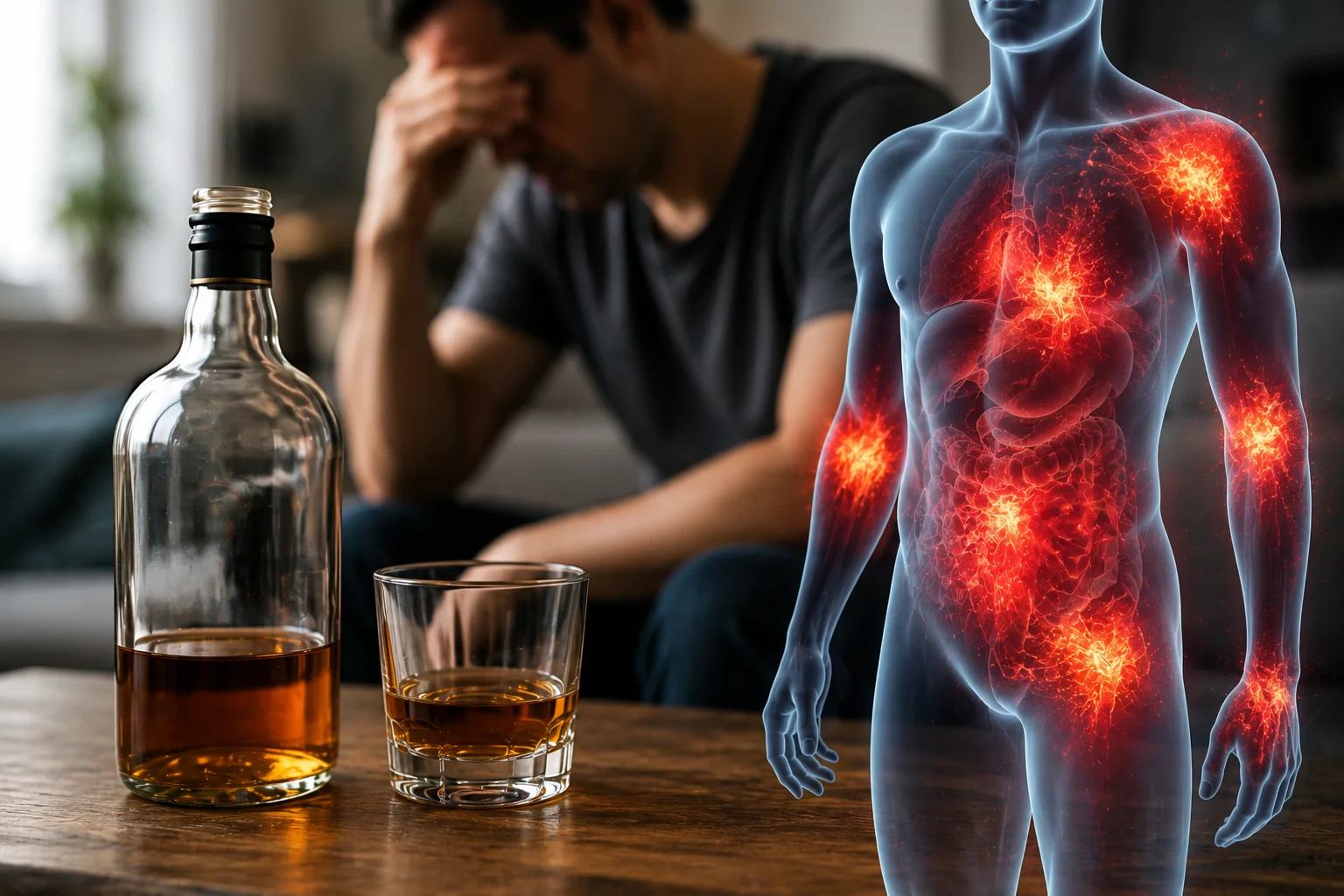



Alcohol addiction is a leading cause of the deaths of millions of people every year. Understanding the different types of drinkers is crucial because it leads to behavioral and personality changes over time. Each type of drinker varies from others based on the amount and frequency of alcohol drinking.
✨ Highlights:
- There are 9 types of drinkers based on their drinking habits.
- Understanding types of alcohol drinkers is important to receive timely treatment.
- Genetics, mental health, environment, and lifestyle influence alcohol drinking.
- Receive the structured treatment from the House of Zen for alcohol use disorder.
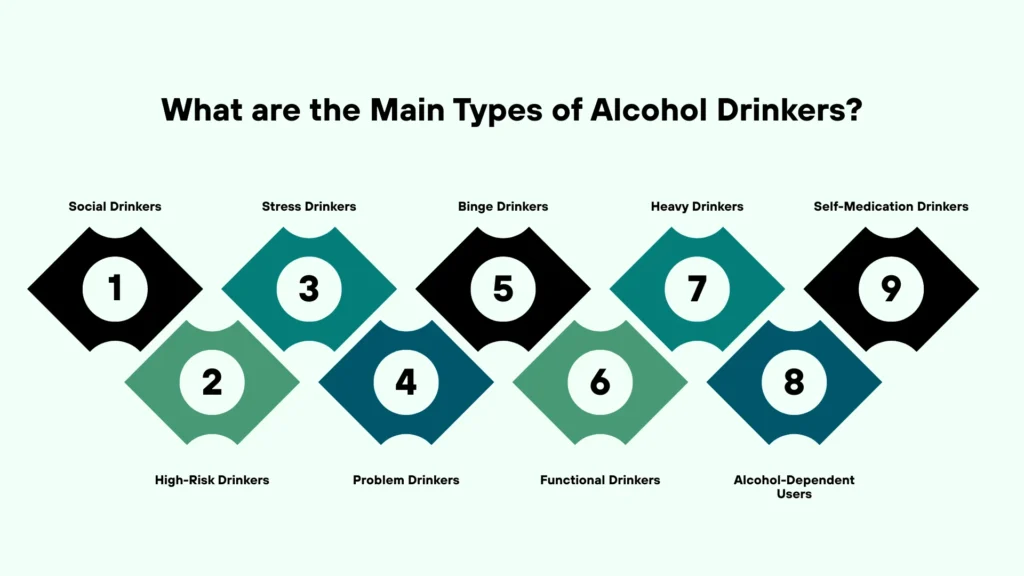
What are the Main Types of Alcohol Drinkers?
Drinking habits may not be the same for every individual. For instance, some individuals drink occasionally without challenges, while others drink frequently without recognizing the risks. Understanding the types of alcoholics may help you identify early signs of alcohol addiction and take control of your life.
Social Drinkers
Social drinkers are individuals who drink alcohol occasionally at social events like gatherings and parties. They consume alcohol for entertainment rather than physical dependency or emotional need. This type of alcohol drinker is controlled and does not interfere with the daily life routine.
Social drinkers are people who may have a couple of drinks during dinner with friends or at a wedding event. They don’t have an urge to drink outside of the occasional events. Moreover, they are capable of refusing to drink without feeling uncomfortable.
There are lower risks of controlled and occasional drinking. However, social pressure may lead to the overconsumption of alcohol. Frequent consumption can influence the individuals’ drinking habits over time. Individuals need to consider professional help to sober up from alcohol fast.
Stress Drinkers
Stress drinkers usually depend on alcohol consumption for relaxation or coping with daily life pressure. Drinking may become the routine response to personal, financial, and work stress. Individuals may require more alcohol to feel the same effect over time.
Stress drinkers consume alcohol every evening after working the entire day. They usually associate drinking with mental health and relaxation. Skipping a drink may lead to irritable or tense feelings.
Stressful drinking can turn into increased tolerance and a daily drinking habit. There are also higher risks of emotional dependence on alcohol drinking. Drinking may worsen the stress rather than provide relief.
Binge Drinking
Binge drinkers are likely to consume larger amounts of alcohol within a short period. The pattern of binge drinking is connected to special events, weekends, and parties. It may lead to risky behavior and loss of control during the alcohol consumption sessions.
Individuals who avoid drinking during weekdays but consume heavily on weekends. Within a few hours, they can consume multiple drinks. It may lead to frequent regretting their actions or feeling hungover.
There are increased risks of poor decision-making skills, injuries, and accidents. The short-term harms include alcohol poisoning. Repeated binge drinking may lead to long-term health problems.
Heavy Drinkers
Heavy drinkers are individuals who consume alcohol frequently in large amounts. Drinking may become an integral part of their daily routine rather than occasional drinking behavior. This heavy drinking pattern is excessive and consistent over time.
Individuals drink several drinks every day per week. It may not be binge but consumption of a high overall amount. The heavy drinkers may justify their drinking habits as normal or manageable behaviors.
The increased risks of long-term health issues include heart problems and liver diseases. There is also a higher likelihood of developing alcohol dependence. Tolerance is also developed that leads to heavy alcohol consumption.
Self-Medication Drinkers
Individuals consume alcohol to cope with different mental health problems. They may depend on alcoholism to manage emotional pain, depression, and anxiety. Alcohol consumption is considered by individuals as a substitute for healthy coping techniques.
Someone who focuses on alcohol drinking after experiencing emotional distress or anxiety in their lives. They may get temporary relief with a higher chance of returning to alcohol. Individuals also try to avoid seeking structured support.
There is a higher risk of developing alcohol dependence. Frequent alcohol consumption for self-medication may worsen mental health symptoms. It can lead to a harmful cycle of emotional dependence on alcohol consumption.
High-Risk Drinkers
High-risk alcohol users may exceed the safe limits of drinking. Their alcohol drinking habit can become excessive and frequent over time. They may not recognize the seriousness of their high-risk drinking habit.
Individuals start to drink alcohol in large amounts multiple times a week. They consider alcohol consumption to be a socially acceptable behavior. Moreover, they are also unable to limit and track their alcohol consumption.
The dangers of high-risk drinking include heart problems and liver diseases. There are increased risks of developing alcohol addiction over time. Individuals may experience long-term damage without the early symptoms.
Problem Drinkers
Problem drinkers may experience different negative effects due to alcohol use. Drinking may start to affect their responsibilities, relationships, and work. They may also struggle to control their alcohol use despite serious problems.
Individuals may experience alcoholism if they have conflicts with others and miss work. They may fail to keep the promise of cutting down on alcohol use. Moreover, drinking becomes a priority over important aspects of life.
It indicates clear progress toward alcohol dependence over time. This drinking approach may affect both professional and personal relationships. There is also an increased risk of health, financial, and legal problems.
Functional Alcoholics
Functional drinkers may be capable of managing their lives while drinking heavily. They can maintain their daily responsibilities, relationships, and jobs. However, individuals depend more than they admit.
A professional who consumes alcohol daily may perform effectively at work. They try to justify or hide their drinking habits. Their underlying problems also become unrecognizable to other people, leading them to keep drinking alcohol.
Alcohol-Dependent Users
Alcohol use disorder is a severe form of drinking behavior. Individuals may experience the psychological and physical need for alcohol consumption. They can also experience withdrawal symptoms when they stop drinking.
Individuals may need alcohol for normal functioning throughout the day. They can hide their alcohol consumption or start drinking in the morning. Attempts of quitting alcohol use may lead to withdrawal symptoms.
There are serious health complications, such as organ damage. Severe withdrawal symptoms may become life-threatening for individuals. The medical treatment is usually considered to overcome addiction and ensure long-term recovery.
Are You Struggling With Alcohol Use Disorder and Need Structured Treatment?
Get in touch with the certified professionals of House of Zen who help different types of drinkers.
Why is It Important to Understand Different Types of Drinkers?
Identifying drinking patterns is important to have a detailed awareness to ensure addiction prevention. Here are the reasons you need to understand the different types of alcohol users.
- Helps in recognizing the early signs of unhealthy alcohol drinking.
- Makes it easy to seek personalized support for alcoholism treatment.
- Reduces the risks of physical and mental health problems.
What are the Signs that Drinking is a Real Problem?
It is not easy to tell that alcohol drinking has become a challenge for individuals. Individuals need to consider the warning signs and seek professional support for lasting recovery.
- Need more alcohol to feel the same effect as the first time consumption
- Continue drinking alcohol secretly or alone
- Ignore personal relationships or responsibilities
- Failed attempts to cut down on alcohol use
- Experience withdrawal symptoms like irritability and anxiety
What Influences Drinking Habits Among Individuals?
There are many factors that contribute to why and how individuals drink alcohol. It is important to understand the influential factors that lead individuals to alcoholism. Let’s understand the factors:
Genetics
A family history of alcoholism, because alcoholism runs in families, may increase the chances of similar behaviors. Individuals may be biologically more sensitive to the effects of alcohol use. This genetic influence leads to the development of alcohol dependence.
Mental Health
Mental health conditions such as trauma, depression, and anxiety may lead to alcohol use as a coping mechanism. Drinking may offer temporary relief from emotional pain. However, alcohol use may worsen the mental health symptoms.
Environment
Peer pressure, cultural normalization, and social circles are factors contributing to drinking habits. Engagement with frequent drinking may lead to excessive alcohol consumption. Early access to alcohol can boost the consumption level.
Lifestyle Stress
Daily stress from personal life, finances, or work may influence individuals to use alcohol. Several individuals start drinking as a way to escape from daily life pressure and relax. This drinking habit may lead to repetitive and harmful coping strategies.
💡 Did You Know
According to the 2024 NSDUH, 16.4 million men (12.9%) and 10.7 million women (8.0%) aged 18 and older had alcohol use disorder.
When to Seek Professional Help to Overcome Drinking
You need structured help if drinking starts to feel out of control. Here are the signs for a treatment from House of Zen to remove the alcohol smell from the mouth and overcome dependence.
- Dependence on alcohol use for daily function
- Relationships and health suffer from drinking
- Experience withdrawal symptoms or craving
- Unable to quit alcohol use
Ready to Receive Structured Help for Alcohol Use Disorder?
Don’t hesitate to schedule an appointment for personalized alcohol use disorder treatment at the House of Zen.
What are the Treatment Options for Different Types of Drinkers?
There are different effective options when you are looking to receive professional treatment for alcohol use disorder.
- Detox Program: Detoxification helps you manage withdrawal symptoms as an important step for long-term recovery. It stabilizes the body for treatment and sobriety.
- Inpatient Program: Inpatient rehab offers intensive, 24/7 care. It removes triggers and distractions, becoming an ideal treatment for severe substance addiction or relapse.
- Partial Hospitalization Program (PHP): You can receive the intensive, daytime treatment through a partial hospitalization program without full-time hospitalization.
- Intensive Outpatient Program (IOP): If you are looking for a flexible treatment, an intensive outpatient program allows you to receive rehab and continue your routine.
- Counseling and Therapy: The effective therapeutic sessions address the root causes of alcoholism. You can learn coping skills to manage alcohol cravings and triggers.
Access the Personalized Treatment for Different Types of Alcohol Drinkers
Looking for a structured and effective treatment for alcohol use disorder? Our certified professionals are ready to help different types of drinkers who need professional help to overcome drinking. Schedule an appointment to start treatment at House of Zen to address the root causes.
Answers to Frequently Asked Questions About Different Types of Drinkers
The common queries related to the different types of alcohol drinkers are answered here.
How many types of alcohol drinkers are there?
There are approximately 9 types of drinkers based on their frequency and amount of alcohol consumption.
What are the five types of drinkers?
Five types of drinkers are as follows:
1. Social drinkers
2. Stress drinkers
3. Binge drinkers
4. Heavy drinkers
5. High-risk drinkers
What is a casual drinker?
A casual drinker is someone who drinks alcohol in lower quantities occasionally in social settings.
What is a classy drinker?
A classy drinker always chooses the quality of drink rather than relying on the quantity or number of drinks.
What is a regular drinker called?
An individual is called a social drinker who keeps drinking alcohol regularly while fulfilling their daily responsibilities.
What is a habitual drinker called?
A habitual drinker is frequently intoxicated and called an alcoholic or drunkard.
