



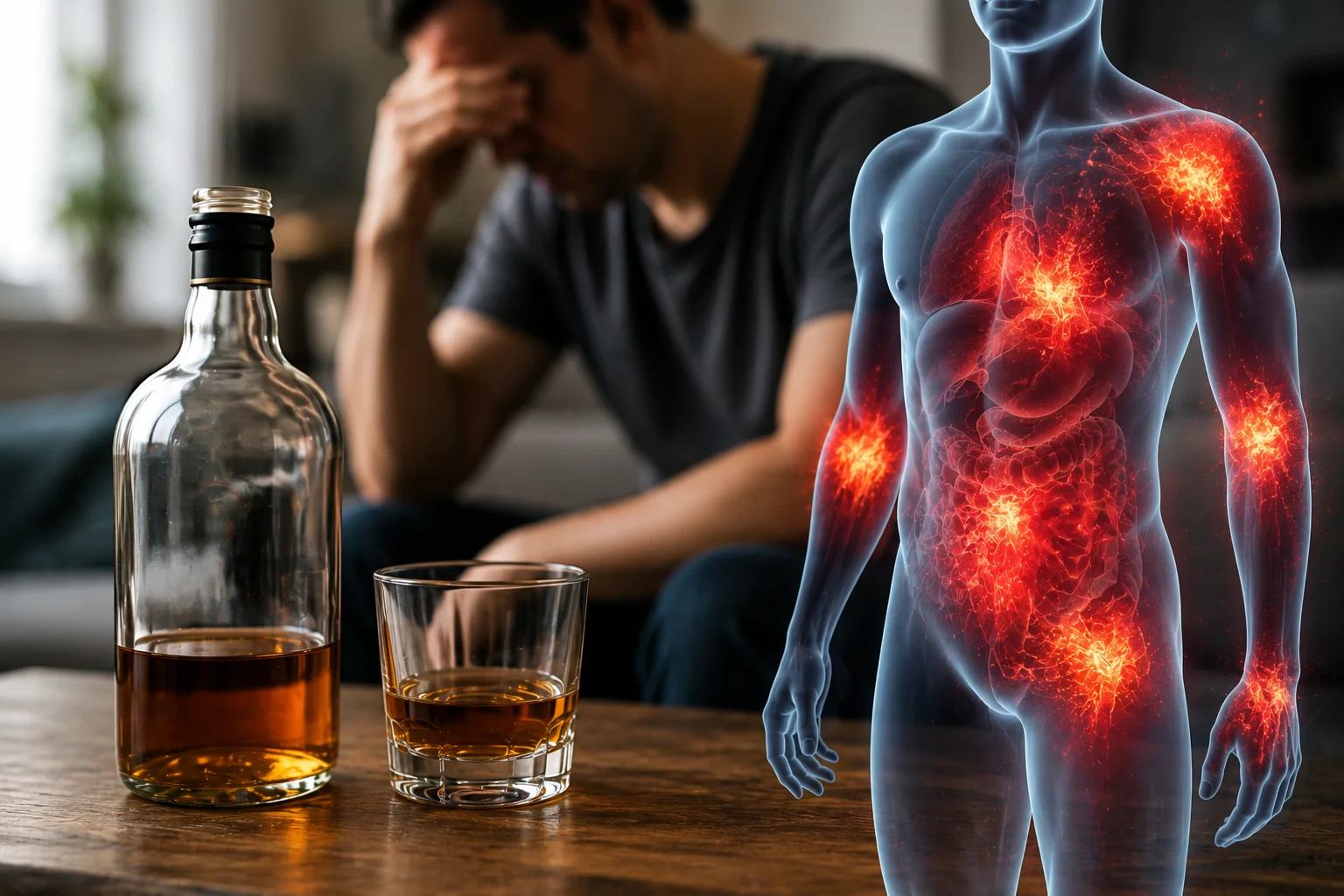



In the complex world of health and wellness, the issue of addiction is seen as a significant issue that affects millions across the globe. It is not an issue of willpower; substance abuse profoundly alters the brain’s wiring, transforming inexplicably pleasurable experiences into irresistible addictions. At HOZ, we believe that knowing the neurobiology behind dependency is the very first step towards recovery and empowerment. This article delved into the research that explains these brain changes, explaining how drugs can interfere with neural pathways, and why professional treatment is vital for reversal and recovery.
If you’re struggling with addiction abuse or are caring for your loved ones, know that it is possible to recover. Our evidence-based programs integrate neurobiology-informed therapies to restore brain function and rebuild lives.
What Is the Neurobiology of Addiction?
The neurobiology of addiction relates to the biological functions in the brain that trigger addiction to substances despite negative consequences. Based on the National Institute on Drug Abuse (NIDA), addiction is a long-lasting brain disorder that is characterized by complex interactions between genetics, surroundings and neurochemistry. In the simplest sense, substances such as alcohol or cocaine, opioids, and stimulants alter the reward system in the brain and cause permanent functional and structural changes.
These changes aren’t only temporary; they create an ongoing cycle of craving, tolerance, and withdrawal, which can lead to addiction. The research conducted by The Mayo Clinic highlights how drugs increase dopamine levels, that part of the brain that produces the “feel-good” chemical, making natural pleasures seem dull by contrast. Understanding these mechanisms can help decode addiction, changing the story from moral lapse to the possibility of treating a medical problem.
Begin Your Treatment With Compassionate Care
Our team offers evidence-based treatment programs for addiction, mental health, and dual diagnosis recovery.
How Substance Abuse Hijacks the Brain’s Reward System
The reward circuitry in the brain is centered on the mesolimbic dopamine pathways, evolved to stimulate survival behaviours such as eating and bonds. Substances can take advantage of this system, filling it with dopamine, up to 10 times higher than natural rewards, such as sexual or food.
Key Brain Regions Involved
- The Nucleus Accumbens (NAc): It is the central point of joy, the region glows brightly when used, producing euphoria. However, it diminishes as time passes.
- Ventral Tegmental Area (VTA): Releases dopamine when exposed to substances, which increases the desire to recreate the experience.
- Prefrontal Cortex (PFC): It normally regulates impulses, however, the effects of chronic abuse can shrink this area and impair decision-making.
The Three-Stage Cycle of Addiction: A Neurobiological Framework
Addiction unfolds in a vicious, recurring cycle, as outlined by NIDA’s three-stage model: binge/intoxication, withdrawal/negative affect, and preoccupation/anticipation (craving). Each stage causes distinct brain changes when a person is addicted to substances, thereby increasing the vulnerability.
Stage 1: Binge/Intoxication – The Dopamine Surge
In the initial phase of use, drugs increase dopamine levels in the NAc, which triggers tremendous rewards. This helps reinforce learning: “This feels good; do it again.” In time, the brain changes by decreasing dopamine receptors, which leads to tolerance, and the need for more substance to get the same effect.
Stage 2: Withdrawal/Negative Affect – The Emotional Crash
If substances are removed from your system, dopamine levels drop to activate the amygdala’s extended region, which is the central nervous system’s center for stress. This causes stress, anger and dysphoria. This drives addicts back to drugs to find relief.
Stage 3: Preoccupation/Anticipation – The Craving Trap
The cues of smells, sights, or even stressors trigger the process via the orbitofrontal cortex. This triggers excessive cravings. In this case, executive function suffers because the impaired inhibition of the PFC does not allow it to control cravings.
Structural and Functional Brain Changes in Addiction
Substance abuse over time causes measurable changes in the brain, which can be seen through imaging techniques such as fMRI and PET scans.
| Brain Change | Description | Substance Example | Potential Reversal |
| Reduced Dopamine Receptors | Fewer D2 receptors in striatum, blunting natural rewards. | Stimulants (e.g., meth) | Partial recovery after 14 months of abstinence. |
| Prefrontal Cortex Shrinkage | Thinner cortex impairs judgment and self-control. | Alcohol | Improves with sobriety and therapy. |
| Amygdala Hyperactivity | Heightened stress/fear responses fuel cravings. | Opioids | Diminishes with mindfulness-based interventions. |
| Hippocampal Atrophy | Memory distortions link cues to use. | Cannabis | Neurogenesis possible via exercise and meds. |
Reversing Brain Changes: Evidence-Based Treatments
The best part? The brain’s flexibility means that the change can be reversed. Research on deep brain stimulation shows promise for the resetting of reward circuits. The key interventions are:
- The Medications: Naltrexone blocks opioid rewards and buprenorphine helps stabilize dopamine, but without any highs.
- Therapies: CBT alters PFC channels; mindfulness lowers the activity of the amygdala.
- The Holistic Approach: Physical exercise increases neurogenesis, while nutrition fights deficiencies such as thiamine loss caused by alcohol.
Our programs mix these with 90 percent of clients reporting decreased cravings after 90 days–results that are supported by internal data on outcomes.
Don’t Wait — Your Brain Deserves Recovery Today
Substance abuse continues changing the brain until recovery begins. Every moment matters. HOZ offers immediate help, compassionate support, and proven treatment methods that reverse neurological damage over time. Call today to start recovery while there’s still time to change direction.
Overcoming Substance Abuse: Start Your Journey Today
The neurobiology of addiction shows that the brain is altered through substance abuse, however, it also reveals pathways towards recovery. By focusing on these changes, we can break the cycle and facilitate lasting recovery. If the brain changes caused by the use of drugs are in line with your experience, contact HOZ. Our team of compassionate professionals offers detox therapy, aftercare, and therapy that is tailored to meet your specific needs.
Are you ready to restore your life and your brain? Call us for a free evaluation. Recovery isn’t just a matter of chance; it’s a lifetime living strategy.
