







Alcohol addiction is a serious disorder that affects how the brain works. Continuous drinking develops alcohol dependency, which is a medical condition. Occasional alcohol consumption may become a pattern of drinking that is not easy to control. There are effects of alcohol use disorder on mental and physical health, relationships, and financial stability. Recognizing the warning signs may help individuals and their families address the serious concern. House of Zen offers professional support and treatment options for individuals’ smooth recovery.
✨ Highlights:
- Alcohol is a psychoactive substance that affects the central nervous system.
- Alcohol addiction affects individuals’ mental and physical health.
- Alcohol use disorder occurs when men and women drink beyond standard drinking.
- Moderate, social, binge, high-intensity, heavy, and problem drinking are types of alcohol consumption.
- Pre-alcoholic, early, middle, and end-stage are different phases of drinking.
- Understand causes, risks, signs, and treatment options for long-term recovery.
Understanding Alcohol Addiction
Alcohol addiction is a complex condition that affects both emotional and physical well-being. It becomes difficult for individuals to stop drinking when it becomes a harmful pattern. Individuals need to understand alcohol dependence, its effects on overall health, and potential risks to make well-informed decisions for a healthier lifestyle. You need to consider alcohol addiction treatment to overcome physical dependence and maintain sobriety.
What is Alcohol Addiction?
Alcohol addiction is a condition in which an individual often develops a strong urge to drink and struggles to control consumption. It is also associated with Alcohol Use Disorder (AUD) and includes different negative consequences. Problematic drinking may cause significant distress and affect daily life. It is important to understand the severity of AUD to determine the right diagnosis and treatment. You should remember that repeated alcohol consumption affects brain systems involved in decision-making, motivation, reward, and stress.
Is Alcohol a Drug?
Alcohol is a psychoactive substance that affects the individual’s central nervous system. This substance can easily impair coordination, emotional regulation, judgment, memory, and reaction time. It can increase the activity of GABA, which causes relaxation at low drinking and slurred speech at high drinking. Regular alcohol consumption may change brain chemistry, leading to physical or psychological dependence.
Is Alcoholism a Disease?
Psychological and medical professionals consider alcoholism a disease for individuals. Alcoholism is popularly known as an alcohol use disorder to describe problematic drinking patterns and severity. It may become a biological disease because heavy and long-term drinking affects brain structure and chemistry. Alcohol use disorder is classified as a mental health disorder in the Diagnostic and Statistical Manual of Mental Disorders (DSM-5).
Struggling with Alcohol Use Disorder?
Receive personalized treatment from House of Zen to recover confidently and safely.
What Makes Alcohol Addictive?
The ability of alcohol to change the brain chemistry and function makes it addictive. It affects the brain’s reward system because repeated use leads to alcohol craving. Individuals often need more alcohol to experience the same effects again. They also experience different withdrawal symptoms such as anxiety, shaking, and sweating when they stop drinking alcohol. The use of alcohol for emotional coping to manage difficult emotions also makes it difficult for individuals to avoid alcohol dependence.
What is Blood Alcohol Content (BAC)?
Blood alcohol concentration is a percentage measurement of alcohol in an individual’s bloodstream. It is often calculated as grams of alcohol per 100 milliliters of blood. The legal driving limit of BAC is 0.08% for adults aged 21 and older across the United States, except in Utah, where the limit is 0.05%. Here is how blood alcohol content (BAC) levels affect the individual’s body:
- 0.01% to 0.05% offers a feeling of warmth, mild relaxation, slight mood alteration, and minor judgment changes.
- 0.06% to 0.15% leads to poor self-control, slurred speech, reduced balance, and impaired coordination.
- 0.16% to 0.30% may cause disorientation, nausea, severe motor impairment, and higher blackout risks.
- 0.31% and above increases the risk of respiratory failure, life-threatening coma, and death.
What is a 1 Standard Alcoholic Drink?
A standard alcoholic drink includes 0.6 fluid ounces or 14 grams of pure alcohol. National Institute on Alcohol Abuse and Alcoholism (NIAAA) states that a fixed amount of alcohol applies regardless of the type of beverage or the size of the container. A standard drink is equal to 12 fluid ounces of beer (5% ABV ), 8 to 10 fluid ounces of Hard Seltzer or Malt Liquor (7% ABV), and 5 fluid ounces of table wine (12% ABV). It also equals 1.5 fluid ounces of hard liquor or distilled spirits (80-proof or 40% ABV), 2 to 3 fluid ounces of cordial or liqueur (24% ABV), and 3 to 4 fluid ounces of fortified wine (17% ABV).
How Much Alcohol is Too Much?
There is no single amount that guarantees that alcohol consumption is safe for individuals. The potential risk of alcohol addiction depends on different factors such as age, health conditions, drinking frequency, medications, individual susceptibility, and pregnancy. The warning signs for too much alcohol drinking may include consuming more than intended, experiencing blackouts, drinking to cope with emotions, and failed attempts to reduce consumption. Alcohol use is too much when it starts to affect an individual’s health, relationships, and responsibilities.
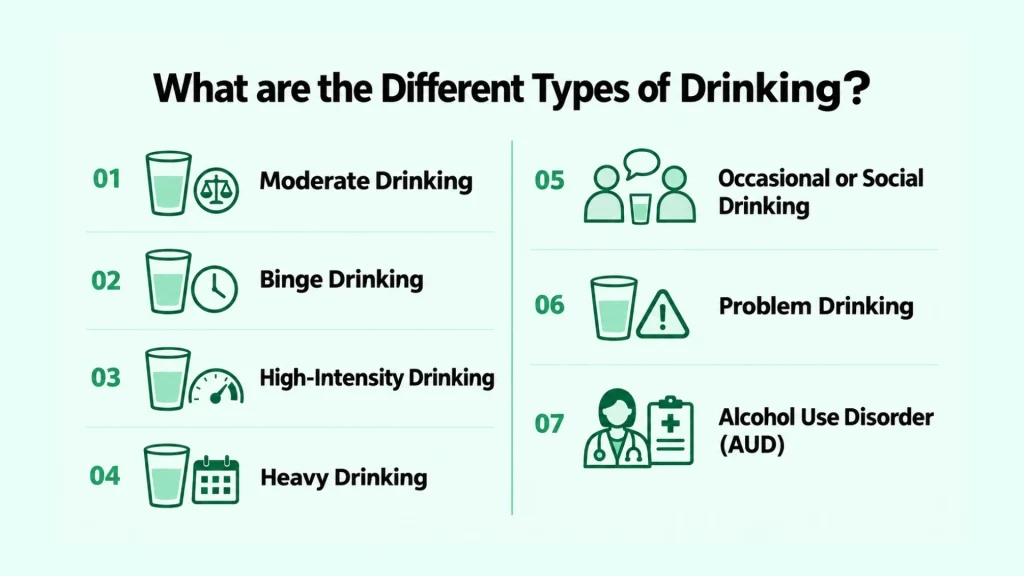
What are the Different Types of Drinking?
Individuals use alcohol in different amounts for different reasons. Some people prefer occasional drinking in social gatherings, while others develop drinking habits that lead to alcohol use disorder. It is not necessary that a person who drinks heavily has alcohol dependence. Quantity, frequency, circumstances, and consequences of drinking contribute to alcohol use disorder. Understanding drinking patterns may help you recognize the potential harmful behaviors and seek professional help.
Moderate Drinking
Moderate alcohol drinking is the consumption of alcohol in accordance with the defined health guidelines according to NIAAA. The standard moderate drinking for women is up to 1 drink per day and up to 2 drinks for men. The purpose of moderate drinking limitation is not to encourage individuals to start alcohol consumption but to guide them that lower use means lower alcohol-related risks. It’s important to remember that small amounts of alcohol may carry dangers for specific individuals, including those taking medications, having medical complications, or who are pregnant.
Binge Drinking
Binge alcohol drinking refers to 4 or more drinks for women and 5 or more drinks for men. This type of alcohol drinking involves enough consumption within a short time that raises blood alcohol concentration to 0.08% or higher. Binge consumption patterns may increase the risk of injuries, accidents, impaired judgment, alcohol poisoning, and other harms. Moreover, individuals involved in repeated binge alcohol use can easily increase the danger of developing alcohol use disorder.
High-Intensity Drinking
High-intensity alcohol consumption involves drinking more than 2 to 3 times the standard binge threshold in a single setting. According to NIAAA, high-intensity drinking means taking eight or more standard drinks for women and ten or more for men. This high-intensity alcohol drinking is beyond the safe drinking limits. Extreme binge drinking may cause severe intoxication and increase the risk of medical complications. Repeated or difficulty controlling alcohol use may require a professional and structured treatment plan.
Heavy Drinking
Heavy drinking is a type of alcohol consumption that exceeds the established thresholds. There are also higher risks of mental and physical health issues associated with heavy alcohol consumption. It often involves 8 or more drinks for women and 15 or more drinks for men per week. Heavy drinking may contribute to cardiovascular issues, cancer, liver diseases, and other health problems. That’s why it is important to evaluate drinking habits and consider the risks associated with heavy drinking.
Occasional or Social Drinking
Social or occasional alcohol drinking usually occurs during different social gatherings, including celebrations and meals. Individuals can infrequently drink without experiencing serious problems in their lives. However, social gatherings cannot determine whether drinking is safe for individuals. For instance, consuming excessive alcohol during a single event may cause serious health risks.
Problem Drinking
Problematic drinking describes a pattern of alcohol consumption contributing to difficulties in an individual’s everyday responsibilities, finances, work, relationships, and health. It involves drinking to cope with personal problems, including anxiety and stress. That’s why individuals keep drinking without considering the negative consequences. A professional assessment is necessary for problematic alcohol drinking because early support can prevent further harm with appropriate treatment.
Alcohol Use Disorder (AUD)
Alcohol dependence often involves physical adaptation, including both tolerance and withdrawal symptoms. Alcohol use disorder, or addiction, includes strong cravings and impaired control over drinking habits. It is essential to remember that not everyone struggling with AUD experiences physical withdrawal. Moreover, dependence is not the only sign of alcohol addiction. A healthcare professional determines the severity of the condition by assessing symptoms.
What are the Causes and Risk Factors of Alcohol Addiction?
Alcohol dependence is rarely developed for just a single reason. Biological vulnerability, family circumstances, emotional health, and environmental factors contribute to alcohol addiction. Understanding these factors helps you identify potential triggers without blaming anyone for alcohol use disorder. Risk factors do not indicate that someone will develop physical dependence on alcohol.
What Causes Alcohol Use Disorder (AUD)?
Chronic stress, trauma, repeated heavy drinking, genetic susceptibility, and co-occurring mental health disorders develop alcohol dependence among individuals. A social environment that normalizes heavy drinking also influences drinking behavior. Some individuals consider alcohol consumption a way of managing difficult emotions or escaping from uncomfortable conditions.
What are Factors Affecting Alcohol Consumption?
Accessibility, family stress, personal habits, social pressure, and work pressure are factors influencing drinking patterns. An individual who drinks regularly to unwind may gradually become dependent on alcohol more frequently. Recognizing the influencing factors may help you develop alternative, safe coping strategies to manage the difficult circumstances. It is a good approach to consider professional help to address alcohol consumption.
How Does Alcohol Addiction Run in Families?
It is a fact that alcoholism runs in families through genetics. There is a strong connection between alcohol addiction and genetics, increasing the risk of alcohol use disorder. Early exposure, household pressure, and social behavior also cause alcohol addiction to run in families. There is a polygenic risk because small genetic variations contribute to alcohol use disorder. It is also possible that children adopted away from biological parents with AUD may have a higher risk of developing addiction themselves.
When does Alcohol Misuse Become an Addiction?
Alcohol misuse becomes an addiction when individuals cannot control drinking or continue consumption despite harmful consequences. Repeated alcohol consumption changes brain chemistry and self-control, leading to loss of control despite the serious health problems. Two or more qualifying symptoms within 12 months often indicate alcohol use disorder. Individuals spend most of their time obtaining and consuming alcohol during addiction.
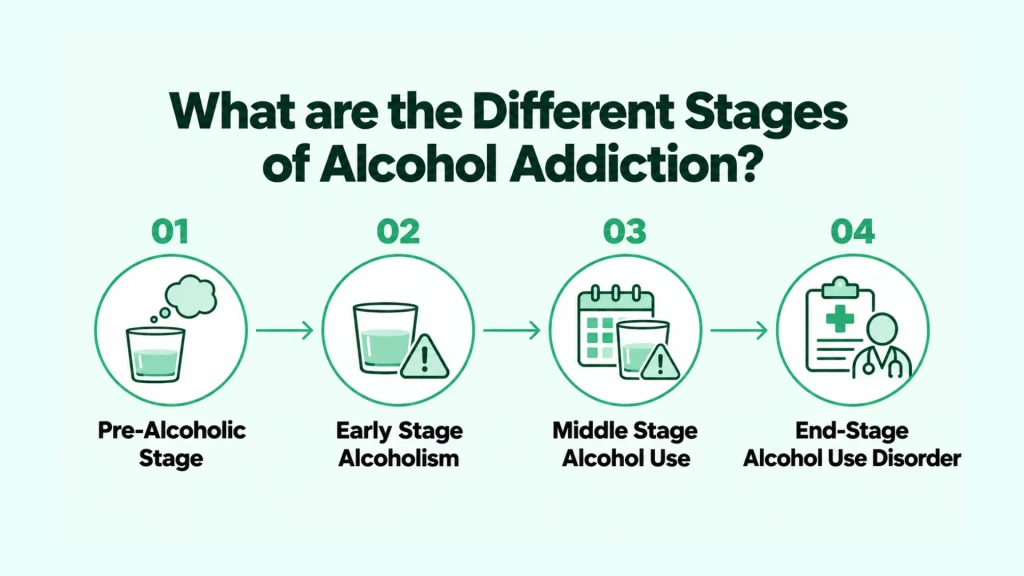
What are the Different Stages of Alcohol Addiction?
Not everyone experiences alcohol dependence at the same level. It is harder to control drinking, which may lead to social, mental, and physical consequences. It is a fact that not every person experiences alcohol addiction in the same way through the different phases. Understanding the different stages of alcohol use helps you overcome addiction.
Pre-Alcoholic Stage
The pre-alcoholic phase involves occasional or social drinking. An individual drinks to celebrate and relax in social situations. People also consider alcohol drinking a way to manage loneliness, anxiety, and stress. They also note that drinking provides temporary relief from everyday life challenges.
Early Stage Alcoholism
Alcohol consumption becomes more frequent during the early stage. Individuals start experiencing different consequences, including memory lapses. They may still be capable of maintaining daily responsibilities and relationships during the early phase of alcoholism. Moreover, they hide drinking habits while developing tolerance.
Middle Stage Alcohol Use
Alcohol use may become difficult to control during the middle phase. This alcohol drinking stage often starts to affect daily life, including work responsibilities, physical health, and family relationships. Individuals try to stop drinking but feel unable to maintain sobriety. They also struggle with physical dependence and experience withdrawal symptoms.
End-Stage Alcohol Use Disorder
The last phase of alcohol misuse is also known as late-stage alcoholism. It refers to severe alcohol consumption and causes long-term alcoholism challenges. Individuals can struggle with serious health complications because drinking dominates daily life. Intensive medical care becomes necessary to help individuals who are in the end stage of alcohol addiction.
Warning Signs and Symptoms of Alcohol Addiction
Alcohol dependence affects behavior, emotional health, physical well-being, and everyday responsibilities. Some of the alcohol addiction signs remain visible while others remain hidden. Recognizing patterns is necessary to understand how drinking has become a serious concern for individuals.
What are the Warning Signs of Alcohol Use Disorder?
Craving, excessive drinking, spending time on alcohol use, neglecting daily responsibilities, and developing tolerance are the common warning signs of alcohol addiction. The potential signs of alcohol dependence also include struggling to cut down, relationship problems, and experiencing withdrawal symptoms. Individuals need to consider immediate, structured rehab support when they experience multiple symptoms.
What are the Risks and Signs of High-Functioning Alcohol Addiction?
A high-functioning alcoholic is someone who is capable of managing family and work responsibilities while struggling with alcohol dependence. An individual may conceal drinking, using alcohol to sleep. However, repeated consumption can exceed personal limits and lead to alcohol use disorder. This means appearing successful or maintaining employment does not rule out the risk of AUD. Excessive or heavy consumption, drinking alone, being unable to socialize without alcohol, and becoming aggressive after drinking are the warning signs of high-functioning alcohol dependence.
Why do People with Alcohol Addiction Lie or Blame Others?
It’s possible that alcoholics lie or blame others to hide their drinking because of fear of judgment and shame. They also have a fear of admitting the consequences of alcohol use disorder. Alcoholics also lie because other people want to underestimate them for alcohol consumption without knowing the reasons and impact. A nonjudgmental and calm conversation is required to understand alcoholics and address addiction effectively.
Experiencing the Warning Signs of Alcohol Addiction?
Don’t delay and consider professional help to overcome alcohol dependence.
Effects of Alcohol on Mind and Body
Alcohol addiction affects both mental and physical health. The effects of alcohol use may range from temporary impairment to long-term health complications. Some individuals may drink to manage emotional distress, but drinking can worsen anxiety, mood, and sleep. An integrated treatment approach can address both alcohol dependence and mental health conditions.
What are the Short-Term Effects of Alcohol Consumption?
Mood changes, nausea, slower reaction time, memory impairment, reduced coordination, and poor judgment are the short-term effects of alcohol addiction. Heavy consumption may lead to alcohol poisoning that causes slow breathing, seizures, and unconsciousness. Emergency medical help is required to address these symptoms effectively.
What are the Effects of Long-Term Alcohol Use?
Heavy and repeated alcohol drinking affects the kidneys, nervous system, brain, digestive system, heart, and liver. Individuals can struggle with memory problems, certain cancers, high blood pressure, and other medical complications. Alcohol consumption is also associated with an increased risk of cancers of the breast, colorectum, esophagus, mouth, liver and throat.
Can Alcohol Addiction Cause Mental Health Disorders?
Alcohol dependence frequently occurs alongside anxiety, depression, trauma, and other mental health conditions. Some people drink alcohol to manage their emotional challenges, but it affects brain function, mood, and sleep. Individuals may also experience anxiety, irritability, depressive symptoms, and cognitive issues. An underlying mental health condition may lead to problematic drinking. A dual diagnosis treatment addresses both conditions for lasting recovery.
How Does Alcohol Addiction Affect Family and Relationships?
Alcoholism creates stress throughout a family. Partners may experience recurring arguments, broken trust, financial problems, or uncertainty about the behavior. Children also feel confused or anxious due to interruption of alcohol use disorder in their families. Alcohol addiction also creates an unpredictable home environment. A personalized treatment helps individuals develop healthier coping skills and rebuild their relationships.
Can Alcohol Consumption Lead to Death?
Alcohol dependence may lead to death. Excessive drinking is a preventable cause of death due to fatal poisoning. Heavy alcohol use increases the risk of accidents and serious medical conditions. Alcohol overdose is also a potential cause of death for individuals struggling with alcohol use. Long-term alcohol use can also cause life-threatening health complications, requiring timely medical help.
How Long Does Alcohol Remain in the Body?
Alcohol may stay in your body for several hours after the last drink. The traces of alcohol can remain in the system for much longer depending on test type. The exact duration of alcohol in the body depends on factors like amount of alcohol, frequency of drinking, liver function, and body composition.
How Long Does Alcohol Stay in the Blood?
Alcohol stays in the blood for approximately 6 to 12 hours after the last drink. The exact detection window depends on the amount of alcohol, individual metabolism, and testing approach. The liver processes alcohol to reduce blood alcohol concentration, but the percentage of BAC varies from one individual to another.
How Long Does Alcohol Stay in the Breast?
Alcohol lasts in the breast for an estimated 2 to 3 hours after a standard drink. The bloodstream moves alcohol to breast milk, where alcohol concentration rises. The exact time depends on individualized factors, but pumping and dumping does not make alcohol leave the body faster. The safe option is to avoid drinking during breastfeeding.
How Long Does Alcohol Stay in the Saliva?
Alcohol may remain in the saliva for 12 to 24 hours. It usually appears in the saliva after 1 to 2 hours of drinking. The detection timeline may vary based on factors like the specific test and the amount. Saliva testing is an ideal approach to detect recent alcohol use. A negative test does not mean that an individual is safe to drive.
How Long Does Alcohol Stay in the Urine?
Alcohol can stay in urine for 12 to 72 hours after the last drink. However, the detection time of alcohol in urine is 12 to 24 hours through an ethanol test. The specialized urine tests can detect the presence of alcohol for approximately 48 to 80 hours. Ethyl Glucuronide (EtG) and Ethyl Sulfate (EtS) are the common urine testing methods for alcohol detection.
How Long Does Alcohol Stay in the Hair?
Alcohol usually remains in hair for approximately 90 days or 3 months. The detection window for hair testing is longer than other types of tests for alcohol detection. Hair tests often detect byproducts such as Fatty Acid Ethyl Esters (FAEE) and Ethyl Glucuronide (EtG). It may take an estimated 5 days after drinking for affected hair to grow and become detectable.
Alcohol Addiction Withdrawal and Detoxification
Alcohol addiction withdrawal is an important consideration for individuals who are struggling with drinking. An individual’s body processes alcohol over time; stopping after heavy or long-term drinking may lead to dangerous withdrawal symptoms. Understanding both alcohol dependence withdrawal and detoxification helps you overcome addiction smoothly.
What is Alcohol Withdrawal?
Alcohol addiction withdrawal is a condition that occurs when an individual with physical dependence on alcohol stops or reduces drinking. The brain is adapted to repeated consumption, and instant stopping may lead to excessive activity of the nervous system. Withdrawal may start within hours and is also life-threatening in severe cases. The potential withdrawal symptoms may include:
- Anxiety
- Shaking
- Nausea
- Sweating
- Quick heartbeat
- Vomiting
- Insomnia
- Seizures
- Delirium tremens
What is Alcohol Detoxification?
Alcohol addiction detoxification involves managing withdrawal symptoms and making the body comfortable in the absence of drinking. A medically supervised alcohol detox program may include monitoring and use of prescribed medication. It is an initial stage to remove the harmful toxins safely. It is not necessarily the case that detoxification addresses behavioral and psychological factors of addiction.
Is Alcohol Detox at a Rehab Center Better than Home Detox?
Alcohol detoxification at a rehab center is better than detoxing at home. The appropriate setting depends on drinking patterns, medical history, withdrawal risk, and available support. Individuals with a history of severe withdrawal or significant medical concerns may require a medically supervised detoxification. Consulting a healthcare professional is necessary because unsupervised withdrawal can be dangerous for individuals.
Alcohol Addiction Treatment Options
Alcohol addiction rehab may help individuals manage cravings while addressing factors contributing to physical dependence. Effective care also allows individuals to develop healthier coping skills to address addiction. House of Zen offers a personalized treatment plan tailored to an individual’s drinking history, medical record, mental health, and recovery goals. The structured treatment involves different levels of care, peer support, medication, and counseling.
How Does Alcohol Addiction Rehab Work?
Alcohol rehab combines an effective assessment approach and treatment options to help individuals address problematic drinking while developing healthier coping skills. A proper care plan includes detox, medication, individual therapy, group therapy, family therapy, and aftercare support. Treatment options usually strengthen coping skills and support lasting recovery.
What is Medication-Assisted Treatment (MAT) for Alcoholism?
Medication may help individuals reduce alcohol use, maintain abstinence, and manage cravings. The most common medications for alcohol withdrawal may include Gabapentin, Phenobarbital, and Librium. A medication-assisted treatment for alcohol may consist of Acamprosate for alcohol recovery. These are FDA-approved medications, and each works differently depending on clinical assessment. Medication is usually combined with counseling to help individuals recover smoothly.
What are the Benefits of Alcoholics Anonymous (AA)?
Alcoholics Anonymous (AA) is a peer-support program that provides a structured recovery approach and meetings to individuals ready to stop drinking. People looking to recover from alcohol misuse can benefit from accountability, encouragement, shared experiences, and social connection. AA can be easily combined with professional treatment to strengthen sobriety from alcohol addiction.
Is Luxury Alcohol Rehab Worth It?
Luxury rehabilitation is worth it because of the comfortable accommodation, greater privacy, additional amenities, and individualized recovery plans. Our luxury treatment programs meet individuals’ needs and offer ongoing support. The qualified and licensed staff at a luxury rehab center offer withdrawal management strategies and effective therapies for a smooth recovery experience.
What is Normal vs Gray Area Drinking?
Normal drinking involves consuming alcohol in accordance with low-risk guidelines, such as a standard drink for women and drinks for men per day. It is easy for individuals to skip or stop the normal alcohol drinking habit. Normal alcohol consumption does not cause psychological or physical discomfort. Gray area drinking falls between normal or social drinking and alcohol use disorder. Individuals usually struggle to maintain the standard drinking limit, requiring more drinks. Gray drinking occurs when individuals start consuming alcohol to cope with depression or anxiety.
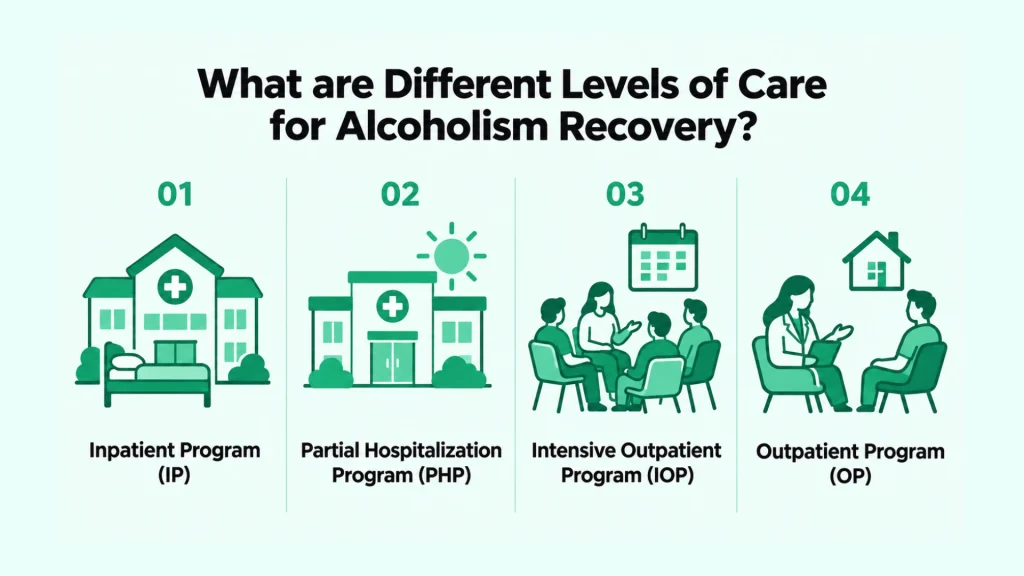
What are Different Levels of Care for Alcoholism Recovery?
There are different levels of care catering to individuals struggling with alcohol use disorder. These levels of care make it easy for people to receive personalized rehab support to achieve and maintain long-term alcohol recovery. Inpatient and outpatient levels of care are available to treat alcohol addiction.
Inpatient Program (IP)
A residential treatment program for alcohol addiction that offers intensive care to individuals struggling with severe alcohol use disorder. Individuals stay 24/7 at the rehab facility under the supervision of experienced staff to overcome addiction. Enrolling in an inpatient program at House of Zen allows you to focus on your trigger-free recovery journey.
Partial Hospitalization Program (PHP)
Individuals who want to attend daytime treatment may consider a partial hospitalization program for alcohol dependence and receive personalized care. Individuals return to their own home or sober home in the evening after receiving the treatment. This program is considered a lower level than residential treatment and higher than the IOP and OP.
Intensive Outpatient Program (IOP)
People who are struggling with mild alcohol use disorder may consider an intensive outpatient program to balance both treatment and daily responsibilities. It is also an ideal level of care for individuals who are stepping down from inpatient or partial hospitalization programs. Individuals attend scheduled treatment sessions during IOP.
Outpatient Program (OP)
A standard outpatient program is the most flexible level of care for individuals struggling with alcohol dependence. Individuals may engage in scheduled treatment without committing to full-time or partial hospitalization. The purpose of an outpatient alcohol treatment program is to strengthen recovery.
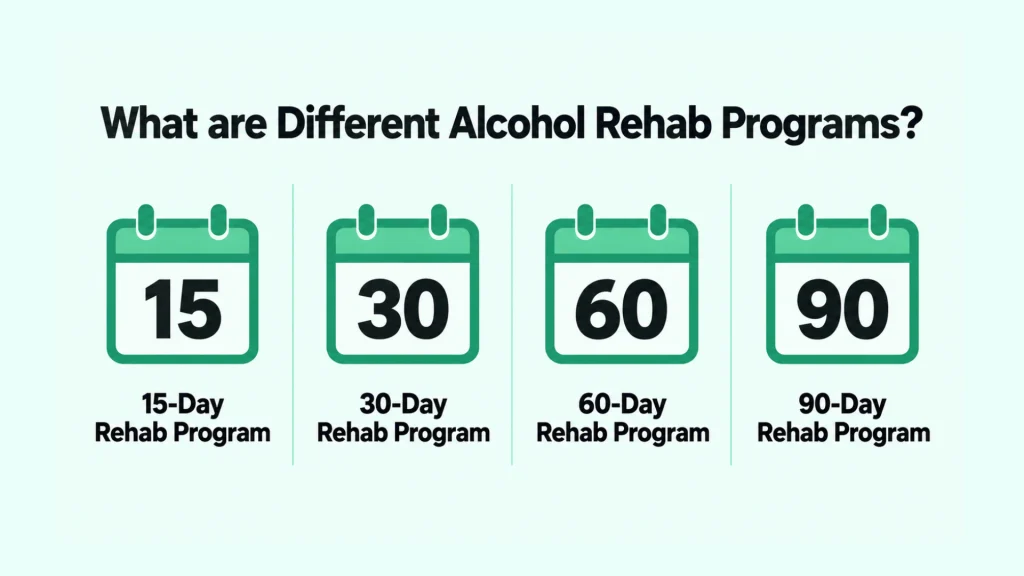
What are Different Alcohol Rehab Programs?
House of Zen offers structured alcohol treatment programs depending on severity and the individual’s recovery goals. These short-term and long-term rehab programs are ideal for individuals who are aiming for a smooth recovery experience. The experienced recovery specialists assist individuals during treatment.
15-Day Rehab Program
We offer a 2-week or 15-day rehab program to individuals who are looking for short-term treatment or initial detoxification. This program involves assessment, stabilization, counseling, and ongoing support for long-term recovery. Individuals can manage the potential withdrawal symptoms effectively.
30-Day Rehab Program
You can access a 30-day or 1-month alcohol addiction rehab program. This 30-day rehab program often lasts for 25 to 32 days, with no fixed duration of 30 days. This treatment program allows individuals to safely manage withdrawal symptoms of alcohol dependence and stay focused on their recovery journey.
60-Day Rehab Program
Individuals who are looking for a long-term rehabilitation program may consider a 60-day or a 2-month treatment. A 60-day rehab program provides enough time for individuals to manage withdrawal and develop healthier coping skills for physical dependence with the help of structured treatment.
90-Day Rehab Program
A 3-month or 90-day rehab program may involve medication-assisted treatment, behavioral therapies, and personalized care. Individuals also participate in individual and group therapy sessions to identify major causes of addiction and develop healthy coping mechanisms for lasting sobriety.
Enroll in the required level of care to achieve and maintain sobriety from alcohol use.
Alcohol Recovery, Sobriety, and Relapse Prevention
Alcohol addiction recovery is beyond only stopping drinking or consumption. It includes learning coping skills to manage stress and develop supportive relationships to address factors causing addiction. Not a single recovery pathway works for everyone seeking structured treatment to overcome drinking habits.
What is Alcohol Quitting and Sober Lifestyle?
Alcohol quitting and a sober lifestyle involve avoiding alcohol dependence and developing healthy routines to support emotional and physical health. It consists of peer support, therapy sessions, exercises, and healthy sleep habits to manage difficult emotions. Moreover, quitting alcohol may help individuals improve their daily functioning and financial stability. It is also helpful in overcoming health complications and alcohol-related injuries. Individuals can also seek help from House of Zen to stop drinking safely.
How Can I Stop Alcohol Drinking Safely?
The safest approach to stop drinking depends on an individual’s alcohol consumption history and withdrawal risk. A healthcare professional usually assesses whether a medically supervised detox is essential and appropriate treatment. Medication, counseling, support groups, and identifying personal triggers can help individuals focus on their recovery goals.
How to Avoid Alcohol Dependence?
You can become capable of avoiding alcohol dependence by reducing or stopping frequency of use and amount of consumption. It is important to develop healthy coping skills, overcome social pressure, and seek professional help when drinking becomes difficult to control for individuals. Individuals with a history of alcohol use disorder should consult with our certified team to discuss recovery goals.
What is Dry January in Alcohol Consumption?
Dry January is an annual public health campaign where individuals completely stop drinking for the 31 days of January. Individuals often reflect on their drinking habits during this month while observing changes in daily routine, energy, and sleep. However, a month without alcohol use is not a substitute for treatment. Dry January may allow individuals to improve their cardiovascular and liver health.
How to Help an Individual Struggling with Alcohol Use Disorder?
You can help an individual struggling with alcohol addiction by considering the professional and personalized help from House of Zen. It is necessary to choose a calm time to talk and listen to concerns without judgment. We offer professional evaluation to help individuals receive confidential support and build healthy boundaries.
Alcohol Addiction Treatment Costs and Insurance Coverage
The cost of alcohol rehab varies depending on the level of care, type of treatment, recovery goals, and availability of amenities. Understanding the treatment may make the recovery process less overwhelming for individuals. Insurance coverage for alcohol use disorder treatment makes the treatment more accessible.
How Much Does Alcohol Addiction Treatment Cost?
The cost of treating alcohol addiction may vary depending on the level of care, timeline of treatment, medical needs, accommodation, and type of rehab facility. Inpatient and outpatient programs cost significantly different amounts. A good approach is to talk with a representative at House of Zen LA to discuss your needs and receive an itemized quote.
Does Insurance Cover Alcohol Rehab Programs?
Insurance covers rehab for individuals struggling with alcohol use disorder. The insurance coverage for alcohol treatment allows individuals to access the treatment without worrying about the finances. You may need to contact the insurance provider and verify insurance for your alcohol abuse treatment coverage. Here are some insurance companies providing alcoholism treatment coverage.
- Aetna: Individuals with Aetna can access insurance-covered alcohol rehab services. Aetna covers medical detox, IP, PHP, IOP, OP, dual diagnosis treatment, and medication-assisted treatment.
- Cigna: Individuals can start treatment because Cigna rehab coverage is available for alcohol misuse rehabilitation. It covers medical detoxification, inpatient and outpatient programs, and co-occurring disorder treatment.
- UnitedHealthcare: Individuals can verify UnitedHealthcare benefits to understand insurance coverage for alcoholism rehab programs. The coverage includes the levels of care and MAT to address alcohol use disorder.
- Blue Cross Blue Shield (BCBS): Alcohol dependence rehab programs have become more accessible with BCBS insurance coverage. Verifying Blue Cross Blue Shield benefits makes it easy to understand the overall coverage.
- Kaiser Permanente: People with Kaiser Permanente coverage can access alcohol addiction treatment without worrying about the rehabilitation costs. This coverage allows individuals to focus on their alcohol recovery journey.
- Medicaid: It is a state and federal health insurance program that provides alcohol rehabilitation coverage. Medicaid covers rehab for alcoholics, allowing them to recover with insurance coverage.
- Medicare: It’s a federal program to help individuals focus on their treatment journey without worrying about costs. Individuals with Medicare plans can access covered, confidential alcoholism rehabilitation.
How is Alcoholism a Disability for Individuals?
Alcohol use disorder is considered a disability for individuals under specific employment and legal frameworks. Americans with Disabilities Act (ADA) recognizes alcoholism as a mental or physical impairment. Excessive alcohol use also restricts individuals from performing their life activities, such as family and work responsibilities. Employers have the right to prohibit employees from using alcohol on the job.
How Can You Use FMLA for Alcohol Addiction Rehabilitation?
The Family and Medical Leave Act (FMLA) offers employment benefits when individuals meet the specific criteria. You can use FMLA for alcohol use disorder treatment when you are working with a qualified employer and have completed 1,250 hours of work in 12 months before requesting the leave. FMLA also applies when your employer has 50 or more workers within an area of 75 miles.
What to Bring for Alcohol Addiction Treatment?
You should bring the necessary items and consider proper preparation that makes the admission less stressful. It is a good approach to consider the packing list and rehab facility for a smooth treatment experience. Here is what you should bring for rehab to address alcohol addiction comfortably.
- Identification and insurance cards
- Medication and prescription records
- Relevant medical details
- Appropriate footwear and comfortable clothing
- Basic toiletries with the facility’s permission
- Approved comfortable personal items
- Emergency contact details
What are the Dangers of Mixing Alcohol and Drugs?
Mixing drugs and alcohol often leads to serious health complications and fatal overdose. Combining alcohol with opioids and Central Nervous System (CNS) depressants may suppress breathing, reduce heart rate, and cause a life-threatening overdose. Mixing alcohol with stimulant drugs like cocaine and methamphetamine may cause higher alcohol consumption, produce toxic metabolites, and increase the risk of heart attack. Cross-fading is a process of mixing alcohol and weed that causes severe nausea and vomiting, dizziness, sweating, alcohol poisoning, rapid heart rate, and paranoia.
Ready to Address Risks of Mixing Alcohol and Drugs? Call us now to start your recovery journey!
What are Key Facts About Alcohol Use?
According to the CDC, approximately 178,000 individuals die from excessive alcohol consumption in the USA every year. In the United States, more than 20,000 people die from alcohol-related cancers each year. The mortality rate due to alcohol use disorder is higher among men compared to women.
The alcohol factsheet of the World Health Organization (WHO) states that approximately 7% of the population aged 15 and older, or 400 million people, struggle with alcohol use disorder. 209 million people experience alcohol dependence. In 2019, alcohol addiction caused approximately 2.6 million deaths worldwide.
💡 Did You Know
Alcohol consumption under the age of 21 is known as underage drinking.
Access Structured Alcohol Addiction Treatment at House of Zen
Addressing alcohol addiction effectively requires starting treatment at a trustworthy, luxury rehab center to achieve long-lasting sobriety. At House of Zen LA, the licensed and experienced team is ready to address the root causes and offer a smooth alcohol use disorder recovery experience. We provide a confidential, individualized treatment plan to every client struggling with alcohol dependence. Let’s schedule your appointment and start your alcoholism recovery journey!
Answers to Common Questions About Alcohol Addiction
Frequently asked questions about alcohol addiction are answered below.
Is drinking every day considered alcoholism?
No, drinking every day is not considered alcoholism. Alcohol use disorder for individuals is usually defined by a psychological and behavioral relationship with alcohol consumption.
What is considered alcohol addiction?
The impaired ability to control or stop alcohol consumption despite health, occupational, and social consequences is considered alcohol addiction. It is the clinical moderate to severe end of alcohol use disorder.
How do you know if someone has a drinking problem?
You may know if someone has a drinking problem when individuals are unable to reduce or stop alcohol consumption. Individuals with alcohol consumption may struggle with relationships, work, and health.
What are some coping mechanisms people with alcoholism use?
People with alcoholism use coping mechanisms such as maladaptive coping strategies for anxiety and stress relief, boredom, emotional numbing, and sleep aids. Healthy coping mechanisms for recovery may include mindfulness, behavioral therapies, and support.
How do you tell someone they are drinking too much?
You may use a confidential, calm, and direct approach to tell someone they are drinking too much. You need to choose the right place and time to discuss the individual’s drinking problem.
What are the four types of drinkers?
Social, conformity, enhancement, and coping are four types of drinkers. They are the primary types of drinkers, depending on their drinking motives. The motivational model categorizes drinkers based on their motives.
