







Alcohol use disorder is commonly known as alcoholism. Alcoholism is a chronic, progressive disease that can change brain chemistry and affect millions of people worldwide. When you spend more time using alcohol, your tolerance and dependency on alcohol increase, which damages the brain and mental well-being. The hijacking of the body by alcohol use disorder shows some symptoms like craving, withdrawal effects, increased tolerance, and effects on relationships or mental health. If you are still using alcohol, it may cause various chronic diseases, including arthritis, cardiovascular diseases, colon cancer, and oral issues.
✨ Highlights:
- Alcoholism is a chronic progressive brain disease that changes brain chemistry and affects millions worldwide.
- Alcoholism is an addiction characterized by cravings, loss of control, withdrawal symptoms, and continued use despite negative consequences.
- Genetics account for 40-60% of AUD risk, and about half of alcoholism cases run in families.
- Alcoholism cannot be cured but can be effectively managed with professional treatment
- About 36% of people with AUD achieve recovery or remission after one year with proper treatment.
What Is Alcoholism?
Alcoholism is a chronic disease in which a person craves drinks that contain alcohol and is unable to control their drinking. A person with alcohol use disorder drinks a greater amount to get the same effect and shows withdrawal symptoms after stopping alcohol use. Alcoholism can affect physical and mental health. It can put your job, family relationships, and financial situation at greater risk.
If you do regular heavy drinking, you will be dependent on alcohol and your alcohol tolerance level will increase. When you consume less alcohol, you will not get the same effect because the brain produces dopamine that doesn’t give the level of pleasure you expect. When your tolerance level increases, your alcohol requirement also increases to meet your pleasure effect. Regular heavy drinking can increase the risk of several types of cancer and make you dependent on alcohol, which is called alcohol dependence.
When Alcoholism Becomes A Disease?
The American Medical Association declared that alcoholism was an illness in 1956. In 1991, it was shown that alcohol causes various psychiatric and medical issues. Scottish physician Thomas Trotter first characterized that excessive drinking can cause mental disease or various medical defects. The modern theory of alcoholism states that drinking alcohol can cause diseases of the brain, which affect brain structure and function. Today, alcohol use disorder is the medical term used for alcohol dependence and alcohol-related problems.
Is Alcohol disease or addiction?
Alcoholism is both a disease and an addiction. Alcohol addiction is a chronic brain disorder that changes brain chemistry, stress, and self-control. It makes it extremely difficult to quit alcohol. When a person wants to stop drinking alcohol but cannot, it is called addiction. Alcoholism is a disease, but if you cannot control it, it turns into addiction. Alcohol is an addiction when it is characterized by excessive alcohol drinking, intense cravings, and continued negative consequences to health, relationships, and daily life.
Heavy Drinking Vs Alcoholism: What’s the Difference?
It is not necessary that a heavy drinker always develops alcoholism. For example, if a heavy drinker decides to stop and decreases their alcohol intake with the support of loved ones, it can help in maintaining mental health and saving job opportunities. In some cases, many people just increase the amount of alcohol and do not control their drinking because they are addicted to the pleasure effect that is released by dopamine.
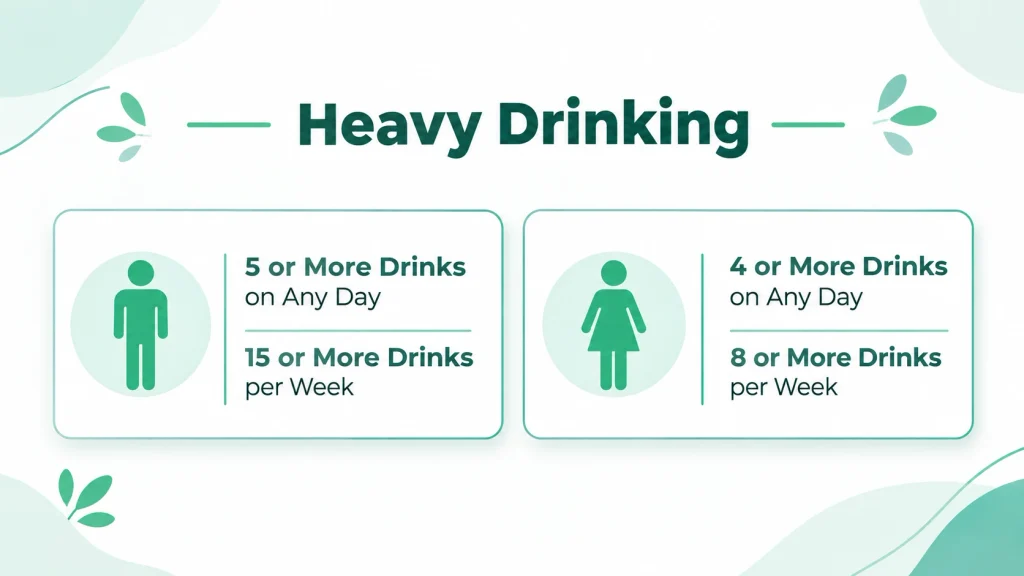
Many people start misusing alcohol and do binge drinking, which can increase the risk of alcohol use disorder. The National Institute on alcohol abuse and alcoholism (NIAAA) stated that men who consume five or more drinks on any day or 15 or more per week are considered heavy drinkers. Women who consume four or more drinks on any day or eight or more drinks per week may be considered heavy drinkers. Alcoholism may include binge drinking and heavy alcohol use that increase the risk of alcohol use disorder.
Want to Remove the Alcohol from your life?
Get help from the House of Zen for the safe removal of alcohol that is affecting the brain and mental well-being.
Signs Of Alcoholism
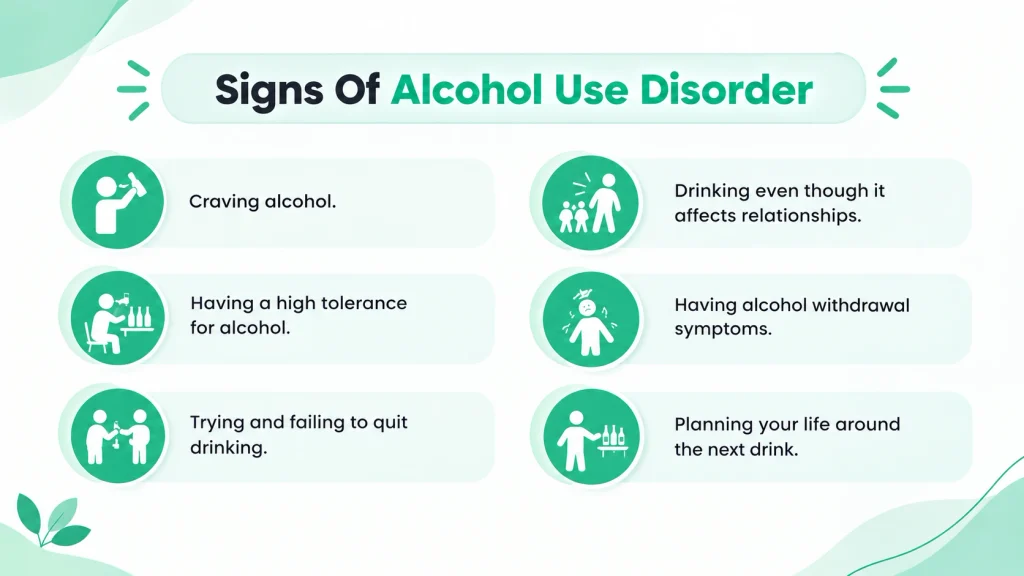
Healthcare professionals use the Diagnostic and Statistical Manual of Mental Disorders, Fifth Edition (DSM-5) to assess if a person has AUD and determine the level of severity if the disorder is present. Severity is based on the number of criteria a person’s symptoms meet. Mild includes two to three criteria. Moderate indicates four to five criteria. Severe includes six or more criteria. There are some signs of alcohol use disorder that help you know if you are at the beginning level of alcohol use disorder, so you can recover quickly.
- Increased cravings for alcohol
- Continuing to consume alcohol even though they do not care how it is affecting their health, relationships, and financial situation
- Drinking more than intended for a longer time period
- Repeatedly try to reduce alcohol but cannot control cravings.
- Giving up social, professional, and family responsibilities
- Failing to finish office work due to alcohol
- Consuming heavy amounts of alcohol because of high tolerance level
- Facing alcohol withdrawal symptoms when immediately decreasing the quantity compared to what they were using before
Risk Factor of Developing Alcohol Use Disorder
A person’s risk of alcohol use disorder depends on how much, how long, and how quickly they consume alcohol. Alcohol misuse harms the person who is using it, but in severe cases, it can harm the people around them. There are some important risk factors that include binge drinking and heavy alcohol use.
Drinking at an Early Age
Research shows that people aged 26 and older who began drinking alcohol before age 15. They are more likely to develop AUD by the time they reach 21 years of age. Young adult males in general are more likely to drink heavily than their female peers.
Genetics And Family History Of Alcoholism
Genetic factors affect the risk not only for alcohol dependence but also the level of alcohol consumption. There are 40 to 60% of AUD cases that are inherited. It can cause many other chronic conditions like diabetes and arthritis.
Mental Health Condition
People with depression, stress, PTSD, and mental health disorders are at higher risk of developing alcohol use disorder. Many individuals use alcohol to get relief from emotional pain or stress. This alcohol addiction worsens mental health and leads to increased drinking.
Binge Drinking Patterns
Binge drinking is the main factor that increases the risk of alcohol use disorder. For adults, consuming five or more drinks in males and four or more drinks in females within 2 hours is considered binge drinking. Regular binge drinking can increase the tolerance level and dependence on alcohol may lead to AUD.
Gender Differences
Men are more likely to develop alcohol use disorder than women. Women face more health issues like co-occurring disorders and other chronic diseases. Women may get addicted faster due to differences in body composition and alcohol metabolism.
How Does Alcohol Affect The Brain And Overall Health
Excessive drinking is the major problem that can lead you toward alcohol use disorder. Overconsumption of alcohol can change the brain chemistry and impair the ability to process emotions. When you consume alcohol, the neurotransmitters present in the brain release a chemical which is dopamine. Dopamine helps to alter mood, emotions and shows a pleasure effect. The person who consumes alcohol enjoys that pleasure effect.
Alcoholism shows significant effects on a person’s mental health and overall well-being. When the brain is more dependent on alcohol, the person reduces the ability to think clearly and control their actions. If they still ignore these mild symptoms, it can also lead to withdrawal symptoms that make it harder for the person to quit alcohol. If you and your loved ones are also struggling with alcohol use disorder, our luxury rehab offers addiction treatment and individual support that helps to achieve sobriety faster.
Impact of Genetics on Alcohol Addiction
Alcohol dependence is a complex genetic disease caused by variations in hundreds of genes interacting with different social environments. Twin studies show that approximately 45-65% of the risk for alcohol dependence is due to genetic factors and about half of alcoholism runs in families. Numerous studies confirm that genes significantly affect the risk of developing dependence on alcohol or other drugs. Although no single specific gene has been identified, multiple genetic and biological factors together can make a person more vulnerable to addiction.
Can Alcoholism Be Cured Or Managed?
Alcoholism cannot be completely cured, but it can be managed, no matter how long you have been using it. Millions of adults in the United States have alcohol use disorder, and approximately 1 in 10 children live in a home with a parent who has AUD. The good news is that no matter how dependent you are on alcohol, our luxury rehab center will offer treatment that can benefit you and help you recover faster. Our certified team uses effective strategies with science-based therapies that help to achieve sobriety and long-term recovery.
💡 Did You Know
About 36% of people with alcohol use disorder recover or achieve remission after one year.
How House of Zen Supports Recovery from Alcohol Addiction
Professional treatment enables individuals to receive comprehensive medical care. The certified team at House of Zen provides the required support for long-term sobriety. Combining evidence-based treatments improves recovery outcomes.
Medical Detox
We offer medically supervised detoxification to individuals struggling with moderate to severe alcohol addiction. The professional healthcare team provides essential medication and monitors withdrawal symptoms. It ensures a smooth transition during the recovery journey.
Inpatient Treatment
Individuals receive 24/7 care during inpatient treatment for alcoholism. Individuals participating in the residential program may receive personalized counseling, group therapy, and relapse prevention skills to overcome severe alcohol use disorder.
Intensive Outpatient Program
Individuals struggling with mild to moderate alcoholism can consider an intensive outpatient program to receive scheduled treatment and continue daily responsibilities. This level of care provides the ultimate flexibility to individuals.
Medication-Assisted Treatment (MAT)
Medication-assisted treatment for alcohol addiction combines medications with addiction counseling and therapy. It is a comprehensive treatment approach that helps individuals recover from physical and psychological dependence.
Contact the House of Zen to overcome alcoholism with the Help of Certified Professionals
Find Lasting Recovery From Alcohol At House Of Zen
Start your treatment by contacting House of Zen when you are struggling with alcohol use disorder. We offer a structured recovery plan to address the underlying causes of alcoholism and help clients maintain long-term sobriety. Let’s get in touch and start your alcohol rehab today!
💭 Answers to Common Questions About Why Is Alcoholism Considered a Disease
Is alcoholism genetic?
Yes. Alcoholism has a strong genetic component. Research shows that approximately 40 to 60% of the risk of developing alcohol use disorder. If a parent or sibling has AUD, it increases the chances of developing AUD three to four times as compared to the general population.
How does alcohol affect mental health?
Alcohol can increase anxiety, stress, and other mental issues. When a person consumes alcohol, serotonin and dopamine are released less, which can disrupt brain chemistry and lead to many co-occurring disorders.
Can a person recover from alcoholism without treatment?
A person who is willing to get rid of alcohol can recover on their own. Many people who don’t have enough willpower and intention to quit alcohol can never recover without any professional treatment.
Does everyone who drinks heavily become an alcoholic?
No. Heavy drinking increases the risk but doesn’t guarantee that you will develop alcoholism. Individual vulnerability depends upon genetics, mental health, and other environmental factors. About 40 to 60% of AUD risk is genetic, and others are dependent upon biological factors.
Can alcoholism be cured?
Alcohol cannot be completely cured, but it can be managed effectively for a long time. AUD is a chronic progressive disease that can affect the brain and may lead to diabetes, hypertension, and many other chronic diseases.
Why is addiction classed as a disease?
Addiction is called a disease because it can cause many changes in brain chemistry and cause stress, anxiety, or many other diseases. It can be treated if you have enough willpower and intention to come out of this condition.
Is alcoholism a disease or mental illness?
Alcohol is both a disease and a mental illness. It is a chronic brain disease that alters brain chemistry and function, which causes co-occurring disorders.
