



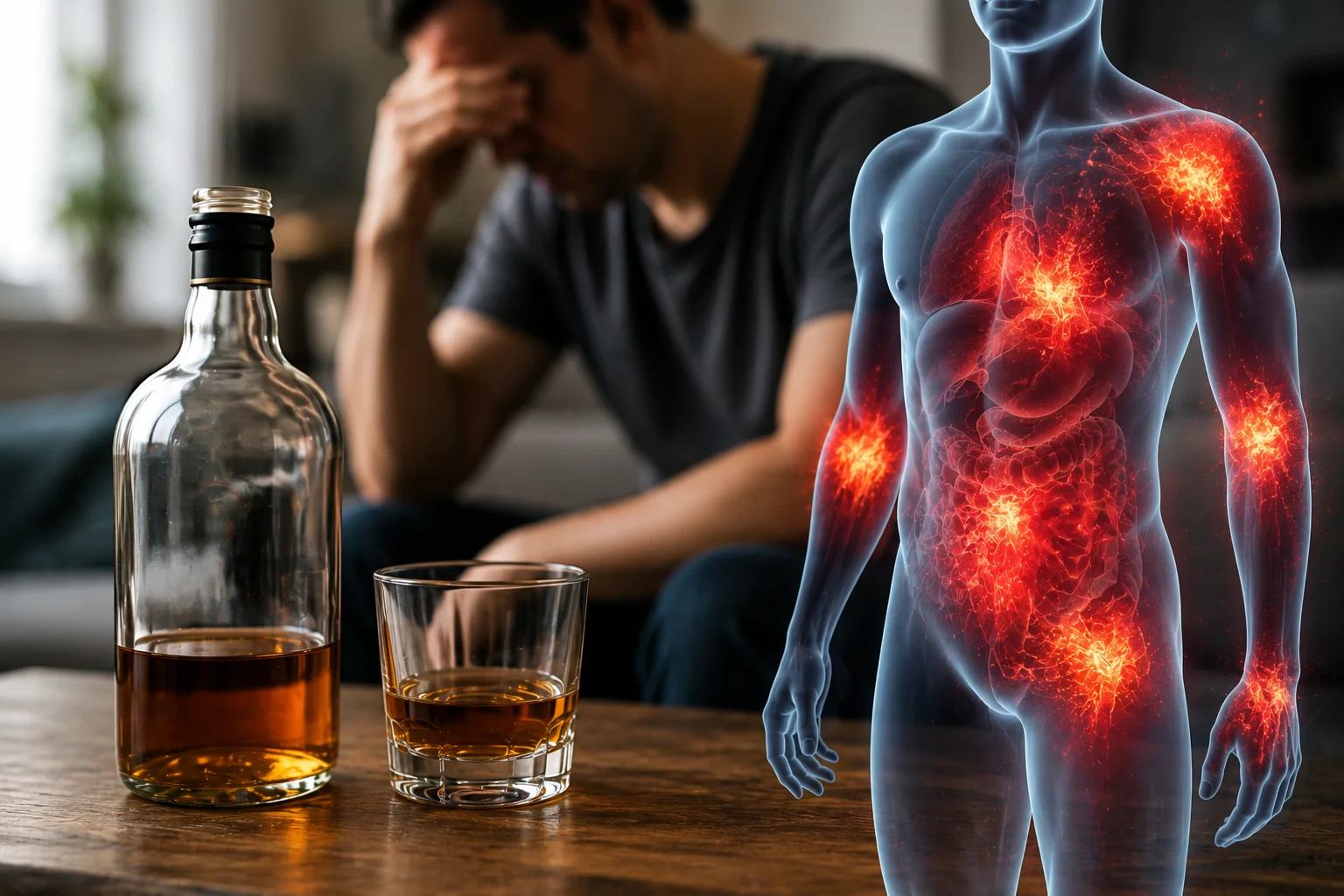


Alcohol can be detected in urine through an EtG test for 3 to 5 days after the last drink, depending on factors like frequency and amount of drinking. The alcohol detection window is approximately 24 hours for light drinking, and this window extends up to 5 days for heavy drinking. There are different factors, such as age, metabolism, and hydration, affecting the detection window.
The alcohol detection window has been an important option for individuals undergoing a rehab program, probation monitoring, or workplace testing. The urine EtG test is more effective than blood, breath, and standard urine tests because of its extended detection window. Therefore, it is important to understand the EtG test, how it works, and the influential factors.
What is an EtG Test?
It is a test that can detect Ethyl Glucuronide, a chemical byproduct produced during the breakdown of alcohol in the liver. The EtG test cannot measure the active alcohol level like the standard urine test or breath test. So, this test can detect only that you drank alcohol, even if you are not intoxicated.
The EtG test has become a common testing option because of a longer detection window and higher accuracy in detecting recent alcohol consumption. Medical programs, rehab clinics, courts, and probation officers prefer this effective alcohol detection test. Those individuals need to consider proper alcohol addiction treatment to recover smoothly and pass this EtG test.

How Long is Alcohol Detectable in Urine?
Alcohol is easily detectable in urine for 1 to 3 days after drinking. However, a highly sensitive EtG test can identify alcohol use for 3 to 5 days, particularly for chronic drinking. The amount of alcohol, frequency of use, metabolism, and sensitivity of the test contribute to the detection window.
- Light Drinking: The detection window for light drinking (1-2 drinks) is 24 to 36 hours. There is a quick clearing because of lower EtG levels, and the body can process them quickly.
- Moderate Drinking: The EtG test is capable of detecting moderate drinking (3-5 drinks) within 48 to 72 hours. The body produces EtG based on your drinking, which extends the detection window.
- Binge or Heavy Drinking: heavy alcohol intake (6+ drinks) is easily detectable in 72 to 120 hours. The advanced laboratory testing has been a very ideal option for detecting binge drinking.

What are the Factors Affecting the Duration of EtG in Urine?
Biological, personal, and testing-related factors affect how long EtG stays in your urine. These factors have an important role in deciding whether EtG clears within 24 hours or remains detectable for several days after the last drink. Understanding these factors is necessary for exploring why detection time varies from one person to another.
Alcohol Amount
The quantity of alcohol you consume is a significant factor with a crucial role in the EtG detection time because a heavy amount ensures a higher EtG level. Moreover, the body also needs more time to break down and eliminate EtG. It leads to an extended detection window after heavy or moderate drinking. That’s where medical alcohol detox helps you withdraw safely without facing any health issues.
Frequency of Drinking
How frequently you drink alcohol affects the buildup of EtG in your body, particularly with daily drinking. A consistent drinking habit maintains a higher EtG level that prevents your body from clearing already produced metabolites. That’s why the chances of a positive test are higher than for the light or occasional drinkers.
Body Mass and Metabolism
Body composition and metabolism have the most prominent role in the processing and removal of EtG. People with lower body fat or a quicker metabolic rate can experience a smooth and fast EtG elimination. That means a slower metabolism can delay the clearance while extending the window for EtG detection in urine.
Hydration Level
Hydration also has a role in EtG concentration because a well-hydrated person has diluted urine. However, drinking water can reduce the EtG concentration, but it cannot remove the metabolite completely. Therefore, hydration can lower the EtG levels, but it has no impact on the actual detection window.
Liver and Kidney Functionality
The proper functioning of the kidney and liver allows your body to process EtG effectively while ensuring a normal elimination rate. The EtG can remain in the system due to the slower metabolism and filtering because of poor liver or kidney function. It can result in an extended detection window as compared to a healthy organ function.
EtG Test Type
There are different EtG tests with distinctive sensitivity thresholds, affecting the total detection time. A standard cut-off level is 500-1,000 ng/mL, which offers a shorter detection window. However, sensitive tests with a cutoff level of 100-300 ng/mL extend the alcohol detection window.
Looking for expert guidance on alcohol detection?
Get confidential and reliable guidance from certified professionals to pass the EtG test with a proper medical assessment.
How Can You Remove EtG Quickly from Your Body?
You cannot flush EtG out of your body because there is no shortcut for elimination. It is important to note that the body eliminates the alcohol metabolites at its own pace and alcohol duration in system.
The formation of EtG via a chemical process in the liver indicates that it cannot be flushed out fast. There is also no guaranteed method to remove EtG quickly from your system. Individuals usually try these methods for flushing EtG out of their bodies:
- Detox drinks
- Excessive water drinking
- Supplements
- Vinegar
- Herbal supplement
None of the above-mentioned approaches can flush EtG out because this stable metabolite binds to glucuronic acid. The human body follows a natural process of breaking down and eliminating the metabolite. Hydration is helpful for reducing the concentration, but it does not play a role in the test.
Comparison of EtG and Other Alcohol Tests
There are different types of urine tests to detect the presence of alcohol in the body. Each alcohol detection test features its own limitations and strengths. The detection window varies based on whether the test detects the alcohol metabolites or active alcohol. Comparing the tests is essential for clarification on why the EtG urine test is preferred for recent drinking detection.
Standard Urine Test
A standard urine alcohol test can detect the active ethyl glucuronide in the body, indicating a short detection window. It usually detects alcohol consumption within a timeframe of 8 to 12 hours. This test is effective for the confirmation of recent intoxication, but not ideal for detecting one or two earlier drinking sessions. Therefore, it can’t detect the past drinking that has left the bloodstream.
Breathalyzer
A breathalyzer can detect the presence of alcohol in breath and offers an approximate blood alcohol concentration (BAC). It usually detects alcohol for 24 hours based on the amount and metabolic rate. Law enforcement utilizes this breath test for instant results. However, this test cannot provide detection beyond recent drinking.
Blood Test
A blood test for alcohol provides an accurate concentration of alcohol in the bloodstream. There is a limited detection window that lasts for 6 to 12 hours because the liver processes alcohol quickly. This test is conducted in rehab centers like House of Zen LA, legal investigations, and emergency conditions. This test can only show the real-time intoxication.
Hair Test
A hair EtG test is ideal for alcohol detection for up to 90 days. It is an ideal testing option for detecting long-term drinking patterns. This test analyzes EtG metabolites inside the hair strands for the detection of frequent or chronic consumption over time. However, a hair test is not ideal for detecting recent alcohol use.
Consider the House of Zen for Safe and Effective Alcohol Addiction Treatment
The EtG test provides a reliable detection window to identify recent alcohol use. It is important to remember that EtG remains detectable for many days, particularly after moderate or chronic consumption. Let’s contact us today if you are looking for the most effective, confidential alcohol treatment with ongoing support.
Searching for the most confidential and reliable alcohol addiction treatment?
Get in touch with the House of Zen to start inpatient or outpatient treatment with ongoing support to pass EtG confidently.
Frequently Asked Questions (FAQs)
How long does alcohol stay in pee?
Alcohol stays in pee for 12 to 72 hours, which can be easily detected through the EtG test and standard urine test.
How can I lower my EtG in urine?
You can lower your EtG in urine by avoiding alcohol use completely to prevent EtG formation.
How long can a urine test detect EtG?
A urine test can detect EtG presence in 3 to 5 days based on consumption amount, frequency of use, and metabolism.
Is 60 hours enough to pass an EtG test?
No, 60 hours are not enough to pass an EtG test because EtG can stay in the body for up to 72-120 hours.
