

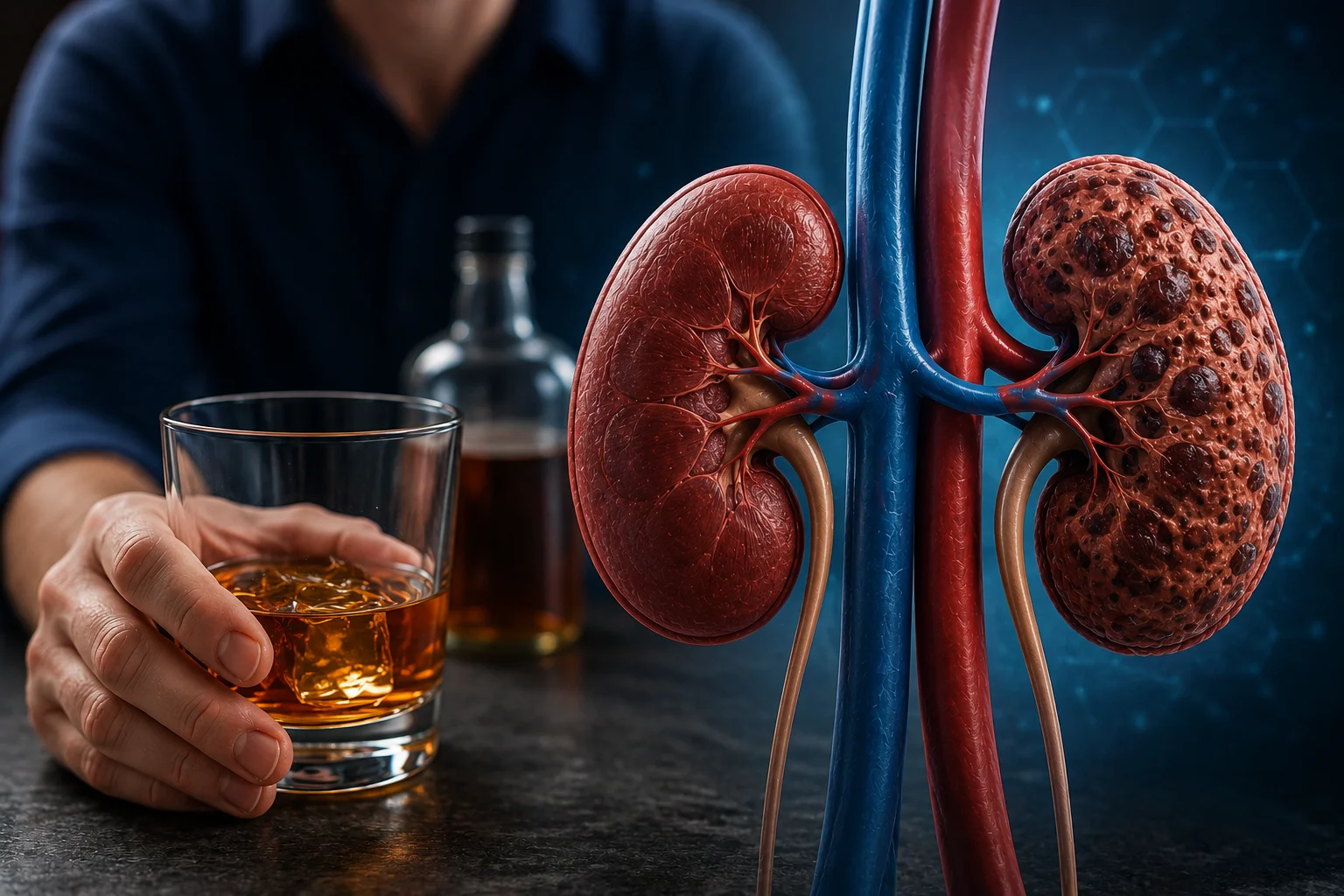

You may experience a challenging health condition when struggling with alcoholism and Alcohol Use Disorder (AUD). In fact, alcohol addiction is usually managed through personalized recovery rather than truly treating it. So, what percentage of alcoholics recover? Approximately 30% to 35% of alcoholics who recover from alcohol addiction can maintain lifetime sobriety. The sobriety rate is lower because recovery is not always straightforward, and individuals can experience the risk of relapse. However, this setback is not a failure because it indicates the need for treatment adjustment.
✨ Highlights:
- 30% to 35% or one-third of individuals recovering from alcoholism maintain sobriety.
- About 70% of individuals may experience 70% at some point of alcoholism recovery.
- Early recognition, severity of addiction, and treatment influence AUD recovery.
- House of Zen LA helps individuals in achieving and maintaining alcoholism sobriety.
What Does Alcohol Addiction Recovery Mean?
Recovery from alcohol dependence is a long-term process of improving quality of life, mental and physical health, and relationships beyond just quitting alcoholism. People enrolled in alcohol addiction treatment learn healthier skills to manage daily challenges, emotions, and stress without using alcohol.
Remission is an approach of abstaining from alcohol addiction completely or returning to low-risk drinking. Natural recovery is a process of experiencing improvement without formal treatment. However, a personalized treatment is recommended to address the underlying causes of alcoholism, such as chronic stress, depression, anxiety, or trauma.
What Percentage of Alcoholics Stay Sober?
One-third of individuals struggling with alcohol dependence may recover, according to the National Institute on Alcohol Abuse and Alcoholism (NIAAA). This approximate recovery rate of 30% to 35% includes both low-risk drinking without alcoholism symptoms and complete abstinence from addiction. It means recovery is possible by overcoming alcohol dependence. According to NIAAA, 113.7 million males ages 12 and older are struggling with alcoholism.
The percentage of alcoholics who recover is lower than that of those who relapse. However, half of the individuals who remain alcohol-free for 12 months may have higher chances of staying sober after 1 year. Moreover, the risk of relapse may also become significantly lower after five years of staying sober.
The recovery statistics for alcoholism must not be considered a prediction for an individual struggling with heavy or binge drinking. The successful alcohol dependence recovery depends on personal factors such as commitment to recovery, mental health, severity of addiction, family support, and access to treatment. Improvement in relationships, emotional stability, physical health, and overall quality of life are signs of successful alcoholism recovery.
How Many Alcoholics Relapse?
Understanding the alcoholic relapse rate is necessary to know why the recovery rate is low. Estimated 70% of alcoholics often relapse at some point in their recovery journey. Approximately 30% of individuals who stop drinking may relapse in the first year of recovery. That means the 1st year of sobriety is hardest for individuals struggling with alcohol abuse, but the relapse rate goes down gradually.
Estimated 21.4% of individuals recovering from alcohol addiction relapsed in the second year of sobriety. However, only 9.6% of alcoholics returned to drinking during three to five years of recovery. Only 7.2% of people with alcohol addiction relapsed beyond five years of maintaining sobriety. This alcoholism relapse rate indicates that structured and continuous treatment is needed to overcome the cycle of addiction and maintain long-term recovery.
Experiencing Relapse After Alcoholism Treatment?
At House of Zen, we provide an effective aftercare program after treatment to help you maintain long-term sobriety.
What Percentage of Alcoholics Recover on Their Own?
Approximately 70% of individuals struggling with alcohol addiction may recover on their own without formal treatment. The natural recovery usually involves a shift to low-risk drinking rather than complete abstinence from alcohol. Moreover, individuals with moderate to severe alcoholism cannot recover on their own. The comprehensive treatment becomes essential to address the underlying causes of addiction and ensure long-term sobriety with relapse prevention.
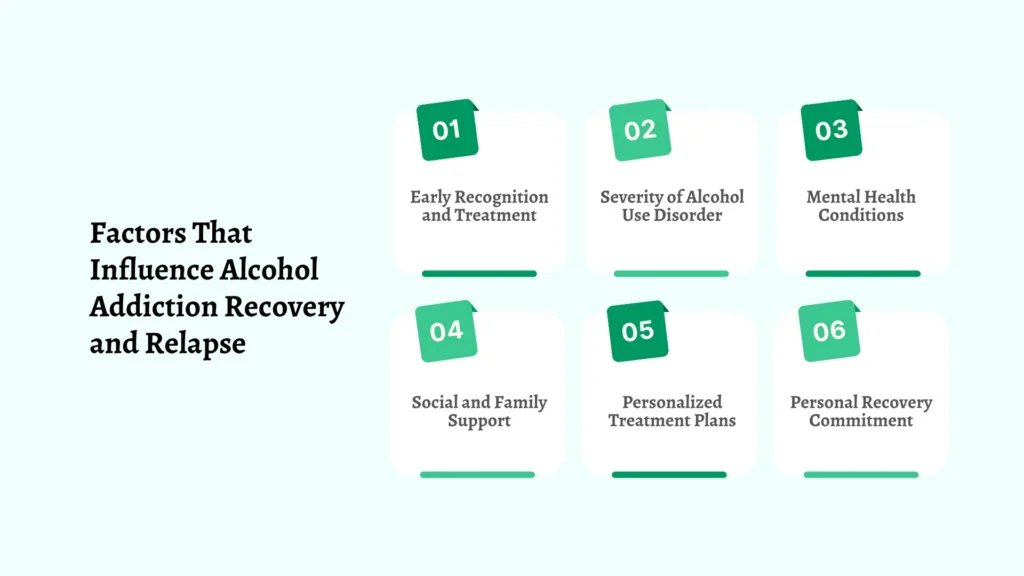
Factors That Influence Alcohol Addiction Recovery and Relapse
There are different factors that influence whether individuals struggling with alcohol abuse recover or relapse. Understanding these factors helps you understand how you should receive treatment and maintain sobriety. Focusing on long-term recovery, overcoming the risk of relapse is required to live a healthy life.
Early Recognition and Treatment
Seeking professional treatment at an early stage is necessary for better recovery chances before alcohol addiction becomes severe. Early intervention is beneficial for reducing the social, psychological, and physical effects of long-term alcoholism. Early recognition also makes the treatment more manageable for individuals.
Severity of Alcohol Use Disorder
Individuals struggling with mild alcohol addiction may recover faster compared to those with severe alcohol use disorder. Individuals with mild to severe alcohol dependence can achieve long-term recovery through a compassionate treatment strategy. Individuals can also receive continuous support for long-term recovery.
Mental Health Conditions
Several individuals struggling with alcohol dependence may also experience different mental health disorders such as anxiety, trauma, and depression. Treating addiction and co-occurring mental health disorders at the same time through dual diagnosis treatment contributes to lasting recovery. It may also reduce the risk of relapse for people struggling with alcoholism.
Social and Family Support
Encouragement from peer support groups, friends, and family members can make a significant difference in the alcohol addiction recovery journey. Positive relationships provide both emotional support and accountability to achieve lasting recovery. The strong support system offers motivation during the challenging phases of recovery.
Personalized Treatment Plans
Alcoholism recovery is more successful with personalized treatment depending on the individual’s needs. A personalized recovery plan includes medical detox, medication, behavioral therapies, and family counseling. This treatment also offers an effective aftercare program to help individuals maintain sobriety even after rehab completion.
Personal Recovery Commitment
Willingness, consistency, and motivation are factors playing the most important role in long-term recovery. Individuals who actively participate in therapeutic sessions and follow guidelines during treatment may develop healthy coping strategies. Personal commitment plays a bigger role in achieving and maintaining sobriety.
💡 Did You Know
The short-term remission rate was approximately 205 to 50% depending on the criteria for remission and severity of Alcohol Use Disorder (AUD).
How Long Does Alcoholism Recovery Take?
Alcohol addiction recovery is not a one-time process; it’s a lifetime commitment and journey. The withdrawal symptoms can become manageable within days to weeks, but behavioral and emotional healing may take months to years. That’s why understanding the timeline of alcohol addiction recovery is important for every individual.
The First Week
Several individuals experience alcoholism withdrawal symptoms such as irritability, insomnia, tremors, anxiety, nausea, and sweating within the first few days. Medical detoxification becomes necessary for severe addiction to safely manage the dangerous withdrawal complications of alcohol dependence.
The First 3 Months
Early alcohol dependence recovery focuses on avoiding relapse triggers, managing intense cravings, attending therapy sessions, and developing healthy routines. Several individuals start improving their physical health and rebuilding their broken relationships. That’s why the first three months are very important for lasting sobriety.
6 Months to 1 Year
The less frequent cravings may become easily manageable. The proper management of cravings helps individuals increase their confidence and improve their mental clarity during the recovery journey. The healthy coping skills for alcohol addiction treatment become more natural for long-term sobriety.
Beyond 1 Year
Long-term alcoholism recovery may involve participating in ongoing support and maintaining healthy coping skills. Individuals need to understand that recovery is a lifetime commitment beyond temporary sobriety. Several individuals report significant improvement in their personal relationships, career, and health.
What are the Treatment Options At House of Zen to Improve the Recovery Rate?
Professional treatment enables individuals to receive comprehensive medical care. The certified team at House of Zen provides the required support for long-term sobriety. Combining the evidence-based treatments improves the recovery outcomes.
Medical Detox
We offer a medically supervised detoxification to individuals struggling with moderate to severe alcohol addiction. The professional healthcare team provides essential medication and monitors withdrawal symptoms. It ensures a smooth transition during the recovery journey.
Inpatient Treatment
Individuals receive 24/7 care during inpatient treatment for alcoholism. Individuals participating in the residential program may receive personalized counseling, group therapy, and relapse prevention skills to overcome severe alcohol use disorder.
Intensive Outpatient Program
Individuals struggling with mild to moderate alcoholism can consider an intensive outpatient program to receive scheduled treatment and continue daily responsibilities. This level of care provides the ultimate flexibility to individuals.
Medication-Assisted Treatment (MAT)
The medication-assisted treatment for alcohol addiction combines medications with addiction counseling and therapy. It is a comprehensive treatment approach that helps individuals recover from physical and psychological dependence.
Enroll in the Personalized Treatment for Lasting Recovery
Improve your alcohol addiction recovery rate by enrolling in the personalized treatment at House of Zen LA.
Start Your Alcohol Dependence Treatment at House of Zen LA
Starting the confidential treatment at House of Zen should be your priority when you are struggling with alcohol use disorder. We offer a structured recovery plan to address the underlying causes of alcoholism and help clients maintain long-term sobriety. Let’s get in touch and start your alcohol rehab today!
Frequently Asked Questions About the Percentage of Alcoholics Recover Answered
Here are answers to common questions about the percentage of people who recover from alcohol addiction.
What is the life expectancy for an alcoholic?
The average life expectancy for individuals struggling with severe alcoholism is approximately 47-53 years for men and 50-58 years for women. Untreated alcohol addiction reduces life expectancy by 24 to 28 years.
Does an alcoholic ever fully recover?
An alcoholic may fully recover by participating in the structured treatment sessions and avoiding drinking. Some brain functions will start working normally after a few weeks to months of alcohol addiction treatment.
What is the difference between heavy drinkers and alcoholics?
The difference between heavy drinkers and alcoholics is that heavy drinkers respond well to moderation management, while alcoholics need abstinence-based treatment if they are physically dependent on alcohol.
When to give up on an alcoholic husband?
There is no single point at which to give up on an alcoholic husband, but your safety and well-being should come first. If alcohol use leads to abuse, dangerous behavior, repeated neglect of family responsibilities, or a refusal to seek help, it may be time to set firm boundaries or consider leaving while seeking professional guidance.
Can you reverse 20 years of heavy drinking?
Yes, you can reverse 20 years of heavy drinking through an ideal recovery approach that combines medical treatment, therapeutic sessions, and lifestyle changes. This approach addresses psychological and physical aspects of addiction for effective healing.
What are the six signs of a functioning alcoholic?
Loss of memory, behavioral changes, loss of control, binge drinking, drinking at strange times, and staying stocked up are the six signs of a functioning alcoholic. You need personalized treatment to overcome dependence.
