



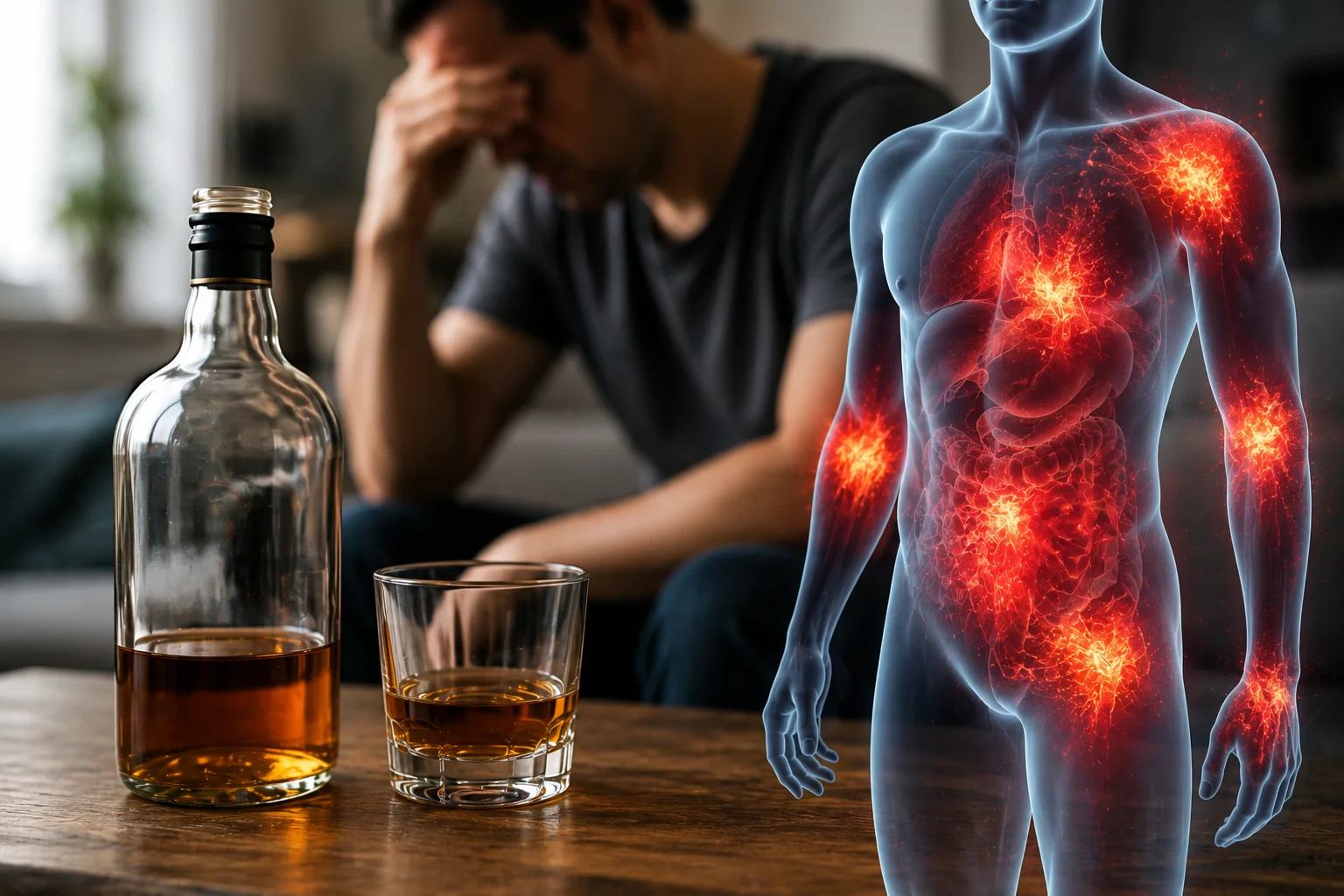



Fentanyl is highly addictive due to its higher potency and quickly affects the brain’s reward system. There is a high addiction potential with the lethal risks of overdose. That’s why fentanyl is more dangerous than other opioids. There are harmful consequences of compulsive use and physical dependence on fentanyl.
✨ Highlights:
- How addictive is fentanyl? 50-100 times more than morphine.
- Physical dependence and addiction are developed after a few uses.
- High risks of overdose due to the higher potency.
- Medication-Assisted Treatment (MAT) is effective for treating addiction.
What is Fentanyl?
Fentanyl is a synthetic opioid that was created for medical purposes such as treating patients with cancer or post-surgery pain. It binds to the opioid receptors in the spinal cord and brain to minimize the pain while offering feelings of euphoria.
However, fentanyl makes people bend over because it is 100 times stronger than morphine and 50 times stronger than heroin. A tiny dose of fentanyl is dangerous, which can lead individuals to experience an overdose.
How Does Fentanyl Become Addictive?
When you are exploring how addictive fentanyl is, it is essential to consider how it has become addictive. You need to consider the factors that contribute to making it highly potent and dangerous for individuals.
Psychological Process
Fentanyl causes the release of a large amount of dopamine through binding to opioid receptors in the brain system. It triggers the neurotransmitter that is responsible for the feelings of pleasure and reward.
This intense reward of euphoria impacts the circuitry of the brain. The continuous use makes the brain less responsive to different natural rewards, such as hobbies, relationships, and food. That means individuals just need the drug to feel normal.
This psychological process contributes to fentanyl addiction among individuals. At this stage, you need to consider the structured treatment approach to recover smoothly from fentanyl use.
Dependence and Tolerance
The brain becomes adaptive to the fentanyl’s presence when you are regularly using it. This short-term or long-term use leads to tolerance. Tolerance urges individuals to take higher doses to feel the euphoric effects. This tolerance also leads to physical dependence because the body starts to depend on the drug for normal function. It is a fact that tolerance to fentanyl develops quickly with fentanyl as compared to other opioids. Therefore, the addiction starts after a few uses. When you are physically dependent on fentanyl, it becomes difficult for you to stop using fentanyl. Moreover, withdrawal symptoms become severe because fentanyl is one of the 10 most dangerous drugs, and you will need the proper medical help.
Get Tailored Treatment from the House of Zen to Break Free from Fentanyl Addiction or Physical Dependence.
What Makes Fentanyl Extremely Addictive?
There are different factors making fentanyl 50-100 times addictive than morphine. High potency, release of dopamine, quick physical dependence, and severe withdrawal symptoms are influencing factors for the addictive nature of fentanyl.
Extreme Potency
The higher potency indicates that the brain experiences a greater reward using fentanyl than other drugs. Therefore, individuals keep using fentanyl again and again to feel the same reward as the first time.
Short-Term and Quick Onset
Fentanyl starts acting quickly because it stays in the body for a short time compared to other opioids. It means users need frequent doses to maintain the high. This increasing dosage with a quick onset is also a factor in addiction.
Psychological and Physical Dependence
Addiction is the physical and psychological dependence on fentanyl. Individuals use this opioid to achieve the feelings of euphoria or escape from pain, stress, or anxiety. The craving for fentanyl becomes compulsive with the passage of time.
Illicit Drug Exposure
There are strict regulations for medical fentanyl. However, illegal fentanyl on the street is not regulated. It is being widely used for addiction purposes. Illicit fentanyl is mixed with different drugs like counterfeit pills or heroin, leading to unintended exposure. It also increases the risks of addiction even in individuals who are not consciously using it for addiction.

Symptoms and Signs of Fentanyl Addiction
Understanding the signs and symptoms is necessary to seek quick medical help when you know how addictive fentanyl is. These signs help you know whether you or your loved ones are struggling with fentanyl addiction.
Behavioral Signs
Addiction affects how an individual thinks and acts, including:
- Obsession with having or using fentanyl.
- Priority of fentanyl use over responsibilities and relationships.
- Risky approaches to obtain fentanyl.
Physical Signs
Chronic use of fentanyl also highlights the physical signs of using fentanyl:
- Constricted pupils
- Digestive problems
- Drowsiness
- Weight loss
- Respiratory depression
- Slurred speech
- Personal hygiene ignorance
💡 Did You Know
A small dose of fentanyl can become fatal for users due to the high risks of overdose.
Withdrawal Symptoms
When an individual is dependent on fentanyl, stopping the use can lead to different withdrawal symptoms. Individuals experience withdrawal within the hours with the following symptoms:
- Bone and muscle pain
- Diarrhea, vomiting, nausea
- Restlessness
- Sleep problems
- Severe craving
- Goosebumps
These withdrawal symptoms are very uncomfortable for individuals. Therefore, it becomes harder to break free from addiction without a structured treatment plan.
What are the Effects of Addictive Fentanyl?
Addictive fentanyl has several negative impacts due to its higher potency and quick onset. Individuals struggling with fentanyl addiction experience different social and economic effects alongside the overdose dangers.
Overdose Risks
The most dangerous effect of fentanyl addiction is the risk of overdose. A tiny amount can stop or slow breathing because it’s a highly potent opioid. It leads individuals to coma or even death because an overdose usually happens within a few minutes.
Economic and Social Effects
There are negative effects of addiction on every aspect of life. Long-term fentanyl use leads to the loss of employment, resulting in financial instability. The effects also include legal problems and tense family relationships. Moreover, individuals also face mental health challenges like anxiety and depression.
The Best Medical Detox Program is Available at HOZ LA for Safe Fentanyl Withdrawal.
Who is At Risk for Addictive Fentanyl?
Individuals who are consistently using fentanyl can become addicted easily, leading to opioid use disorder. There are different factors that increase the chances of addiction:
- History of drug addiction
- Mental health problems
- Social influence
- Easy access to prescription opioids
- Stressful life
Beyond the above-mentioned factors, genetic factors also play a key role in driving individuals to addiction.
Fentanyl Physical Dependence vs Addiction
It is important to differentiate fentanyl addiction and physical dependence.
- Addiction: It involves the compulsive possession and use of a drug despite the negative effects on physical and mental health.
- Physical Dependence: The individuals become adapted to fentanyl for euphoria and avoid withdrawal.
It is important to note that a person can depend on fentanyl without addiction in medical settings. However, dependence on potent drugs like fentanyl can easily lead to addiction.
What are the Treatment Options for Reversing Fentanyl Addiction?
There are different treatment and therapeutic approaches to treat individuals struggling with fentanyl abuse. Let’s take a look at the treatment options available at the House of Zen for individuals.
Medical Detox and Medication-Assisted Treatment (MAT)
The certified addiction treatment specialists use the FDA-approved medications to manage craving and withdrawal effectively. We use the medications that work directly on the brain receptors to support the recovery process while reducing craving.
- Buprenorphine
- Methadone
- Naltrexone
Effective Behavioral Therapies
We provide different therapies like Cognitive Behavioral Therapy (CBT), Dialectical Behavioral Therapy (DBT), and contingency management. These therapies help individuals change their thinking patterns and develop coping skills for long-term recovery.
Recover Safely from Fentanyl Addiction
House of Zen offers structured treatment with therapies to ensure a safe and smooth recovery experience for people struggling with fentanyl addiction.
Answers to Frequently Asked Questions Related to How Addictive Fentanyl is
How Addictive is Fentanyl Compared to Other Drugs?
Fentanyl is highly addictive compared to other drugs due to its extreme potency, and a tiny dose can result in overdose.
How Addictive is Fentanyl Compared to Other Prescription Opioids?
Fentanyl is more addictive than other prescription opioids as fentanyl is 50-100 times addictive than morphine.
How Addictive is a Fentanyl Patch?
A fentanyl patch is highly addictive if individuals misuse it because long-term use leads to addiction.
How Addictive is Fentanyl Compared to Nicotine?
Fentanyl is more addictive compared to nicotine because it carries a higher risk of physical dependence and overdose.
How Much More Addictive is Fentanyl Than Alcohol?
Fentanyl is much more addictive than alcohol because it can cause physical dependence quickly within a short time due to its higher potency and quick onset.
Can Fentanyl Addiction be Treated with Medication-Assisted Programs Offered Locally?
Yes, fentanyl addiction can be treated with medication-assisted programs offered locally at the House of Zen.
