



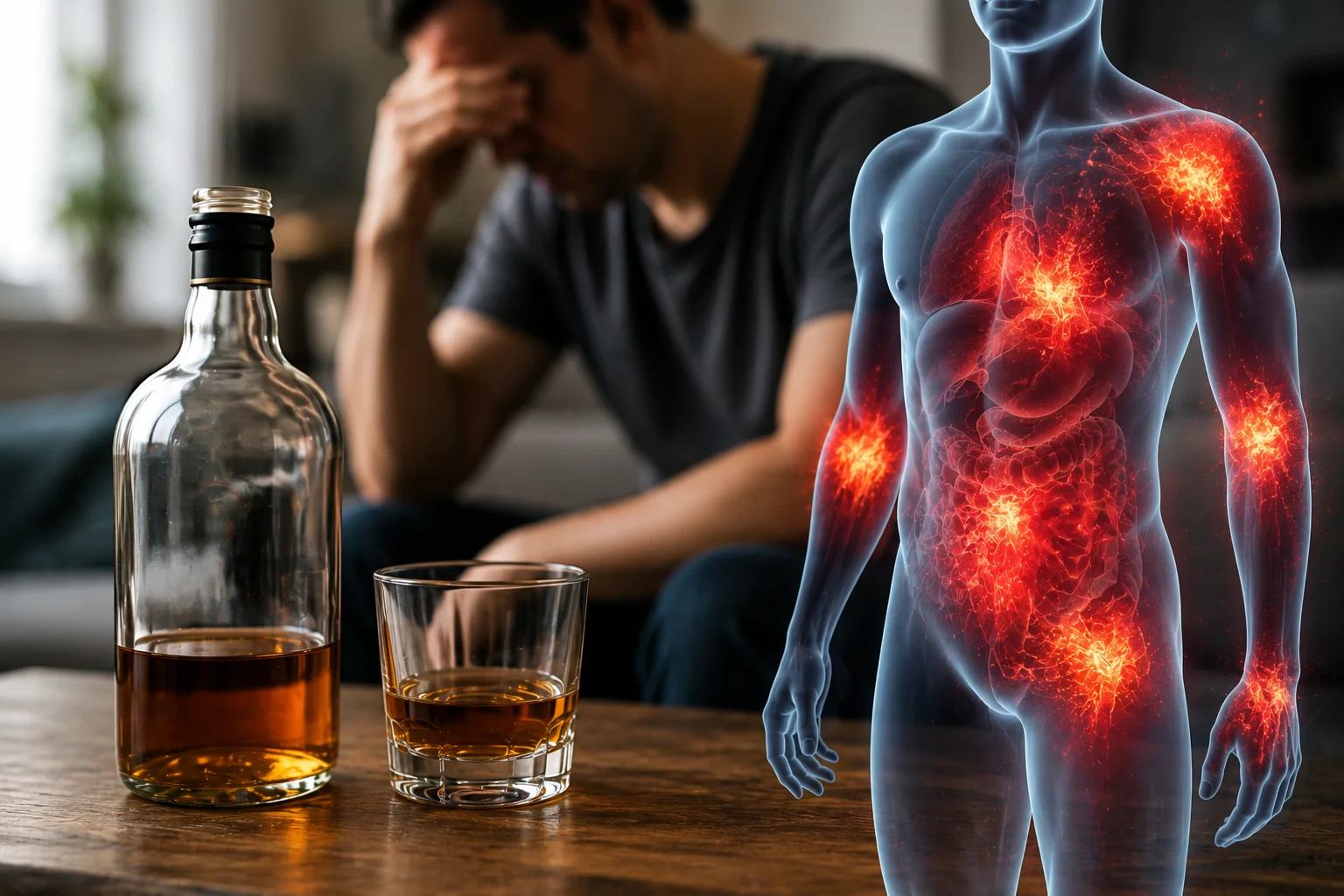



Fentanyl makes people bend over because it affects the central nervous system and results in the loss of muscle control. That’s why fentanyl users can become frozen or slumped due to the intense and immediate muscle rigidity. This bent-over posture is also called “fentanyl fold,” which raises concerns about illicit fentanyl use.
What Is The Fentanyl Fold?
Fentanyl folding is a street-level term to describe the unique physical posture caused by the chronic use or overdose of fentanyl. The bending over involves:
- Sharp bending at the waist
- Loose hanging arms
- Head moving forward
- Reduced awareness or movement
- Difficult to respond or speak
- Unconsciousness or sleep
It is important to note that individuals may seem to awake, but they can’t make any movement due to the bent-over posture. So, fentanyl users bent over is the result of potent fentanyl affecting the breathing, muscles, and brain. That’s why individuals need on-time fentanyl addiction treatment to avoid life-threatening conditions.
Get the Confidential, Safe Fentanyl Addiction Recovery Support
Experiencing bent-over due to fentanyl overdose or chronic use? Get help from the licensed medical professionals to recover smoothly.
Why Does Fentanyl Make You Bend Over?
Fentanyl is a potent opioid that quickly enters the brain and affects the body’s balance and muscles. That’s why fentanyl users are bent over due to different reasons, like impaired breathing and muscle rigidity.
Central Nervous System Depression
Why do fentanyl users lean over? Users lean over due to central nervous system depression. Fentanyl is 50 times and 100 times stronger than heroin and morphine, respectively. It affects the brain’s motor control quickly, suppressing spatial awareness and posture. The fentanyl user can’t hold their neck and core muscles upright, resulting in body collapse.
Muscle Rigidity
Wooden chest syndrome is the main reason for making people bend over. Overdose or chronic use of fentanyl triggers opioid-induced muscle rigidity that affects the abdomen, chest, diaphragm, and trunk muscles. It leads to shallow breathing, and individuals can’t straighten up due to the back rigidity.
Deep Sedation
The stronger sedative effect leads to the head droop while making it difficult for the neck to stay upright. The arms hang down while the shoulders collapse forward due to the extreme sedation among the users. The loss of ability to balance the muscles can lead to passive slumping, which is not an active bending posture.
Impaired Breathing
The slow breathing due to the fentanyl can move the individual’s body into a forward lean for easy breathing purposes. It is a reflective survival posture because bending forward is a reason for the expansion of the upper back muscles. It recruits the essential breathing muscles while minimizing the needed work for the diaphragm.
Balance and Coordination Disruption
Fentanyl can easily disrupt the brain’s functions responsible for equilibrium, motor control, reflex, and spatial orientation. This interruption in the coordination can make it difficult for individuals to stay upright and maintain a stable position. Moreover, fentanyl users can also not react to bending forward and consider the slump correction.
Reduced Blood Oxygen Level
The oxygen level drops due to the breathing depression. It is a fact that lower oxygen can lead to dizziness, presyncope, and muscle weakness. That’s what causes fentanyl fold, leading to collapsing into the bent position. Moreover, hypoxia can easily impair brain functionality, which makes it difficult for individuals to concentrate.
Neurological Response
Fentanyl can trigger the motor freeze response, just like the brainstem inhibitory reflexes and catatonia. This neurological response locks the body in whatever posture it was in. Usually, it bends the fentanyl users’ bodies forward. Therefore, it is important to understand the medical opioid detox guide to get rid of fentanyl dependence.
Rapid Onset
Fentanyl takes only a few seconds when you inject or smoke it. This quick onset indicates that the body does not have enough time for stabilization due to the sudden rigidity. That means an individual can bend over within a moment due to the immediate sedative effects before posture adjustment.

What are the Different Signs of Bend-Over Position?
Fentanyl fold is a recognizable posture that indicates respiratory depression or dangerous sedation levels. During bending over, the body struggles for adequate breathing and an ideal posture. Recognizing the common signs is essential to deciding whether an individual needs immediate medical help.
Common signs are:
- Bend at the waist, sitting or standing
- Downward hanging of arms
- Little to no speaking or response
- Drooping neck and head
- Shallow or very slow breathing
- Muscle rigidity
- Pinpoint pupils
- Inability to straighten up
What Actually Helps During Bent Over Posture
Why do fentanyl users double over? Fentanyl users experience “doubled over” due to the central nervous system depression and muscle rigidity. Medical assistance actually helps when you or your loved ones experience a bent-over position due to the fentanyl use.
Naloxone
Naloxone is the first and immediate treatment to control the fentanyl toxicity by reversing the effects in the brain. The experienced medical team considers naloxone for restoring breathing while minimizing sedation. The frequency of doses is decided upon the effects of fentanyl. The on-time naloxone intervention can prevent users from brain injury, oxygen loss, or even death.
Breathing Support and Airway
Deep sedation or chest rigidity makes it difficult for individuals to breathe effectively without any additional support. That’s why the qualified medical staff prefer the advanced airway or bag-valve mask for ventilation and the patient’s stabilization. Proper breathing is essential to avoid life-threatening conditions.
Proper Oxygen Monitoring
The medical professionals ensure the continuous monitoring of patients’ oxygen levels for both body and brain. They also monitor the entire cardiovascular function, pulse, and respiratory rate. There is also the option of supplemental oxygen for patient stabilization during the opioid reversal process for individuals.
Muscle Rigidity Treatment
The ventilation process becomes difficult for individuals due to muscle rigidity in the abdomen and chest. The certified medical professionals focus on muscle relaxants or medications for minimizing rigidity while ensuring ideal breathing support. Muscle relaxation within the control medical environment at a reasonable healthcare cost improves oxygen flow during overdose treatment.
What to Do If Someone is Bent Over
It’s an alarming situation to see someone in the fentanyl fold that requires the right steps to save a life. A fentanyl user with a bent-over posture usually cannot maintain consciousness or breathe properly. That’s why you need to take the following actions quickly for the individual’s safety.
- Check Responsiveness: You need to gently check a person’s responsiveness before assuming that person is overdosed. It’s a good strategy to tap on the person’s shoulder or speak loudly to determine their sedation.
- Support Breathing: If a person is experiencing breathing issues, consider rescue breaths to ensure ideal oxygen flow until medical help arrives. Maintain the open airway to ensure adequate airflow.
- Call Emergency Service: If a person is breathing slowly and not responding, calling emergency services is the recommended option to handle the condition. The professional trainers offer naloxone and oxygen support.
- Naloxone Administration: An effective medication to control opioid toxicity. Administering naloxone correctly can improve the individual’s breathing and overall health condition.
Get Satisfactory Medical Help for Fentanyl Addiction
Fentanyl addiction is life-threatening and needs proper treatment. Contact us today to start your treatment at the House of Zen!
Get the Quick Help from House of Zen for Fentanyl Bent-Over Posture
The fentanyl fold is an indication of a dangerous medical condition due to a strong opioid. Awareness and compassion are important components to understand the fentanyl bent-over posture. Understanding the condition and getting professional medical help from the leading treatment center in Los Angeles to save your or your loved ones’ lives.
Frequently Asked Questions (FAQs)
Is the fentanyl fold temporary or permanent?
Fentanyl bent-over is temporary because individuals recover from it with the proper breath support and naloxone.
What does the fentanyl bent-over posture indicate?
Fenty lean indicates the loss of motor control and central nervous system depression due to strong opioid intoxication.
How to reverse the fentanyl fold?
It’s easy to reverse the fentanyl fold through the multiple doses of naloxone under strict medical supervision.
What are the signs of fentanyl lean posture?
Muscle rigidity, shallow breathing, drooping head, and bent at the waist are the signs of fentanyl bent-over posture.
