

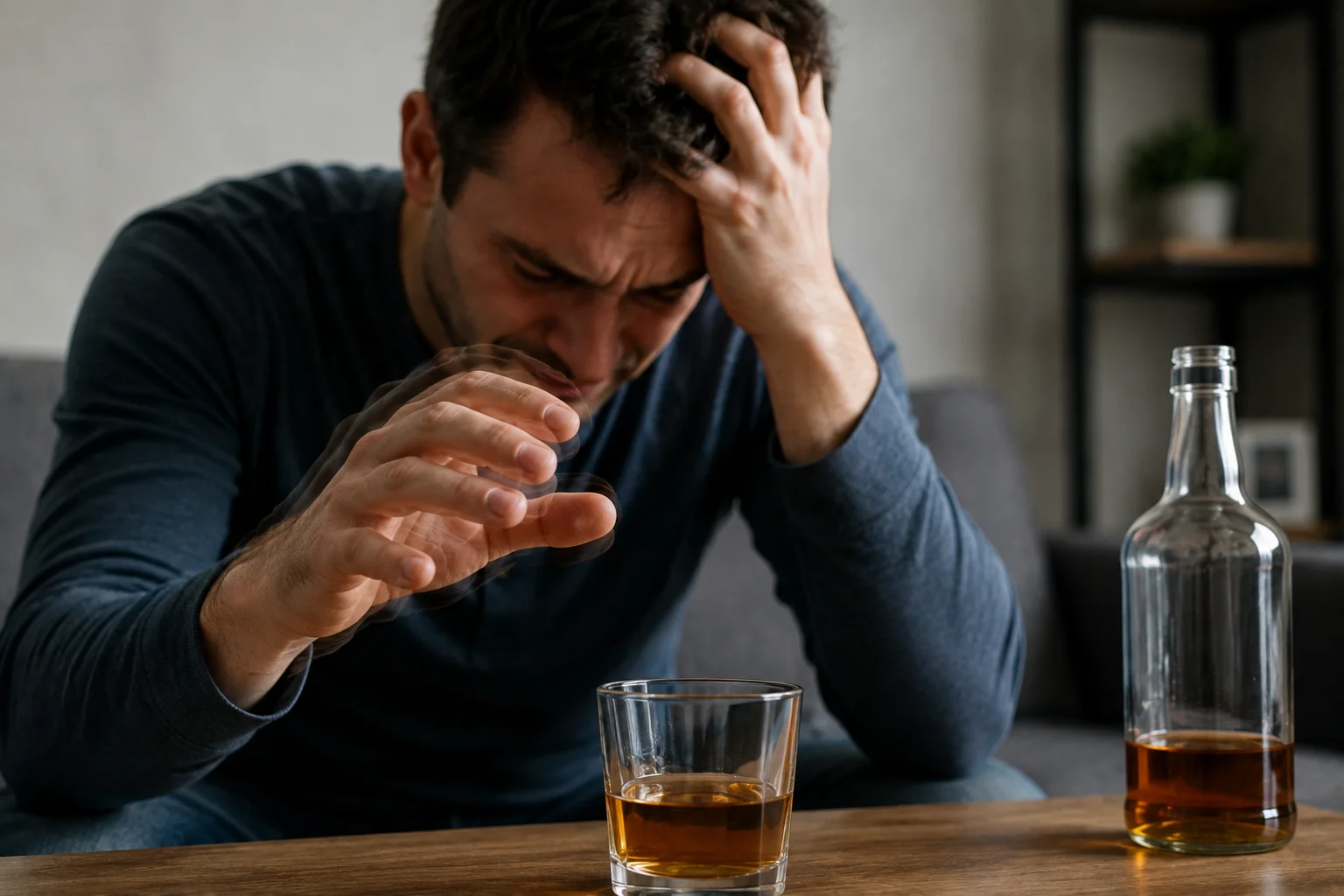

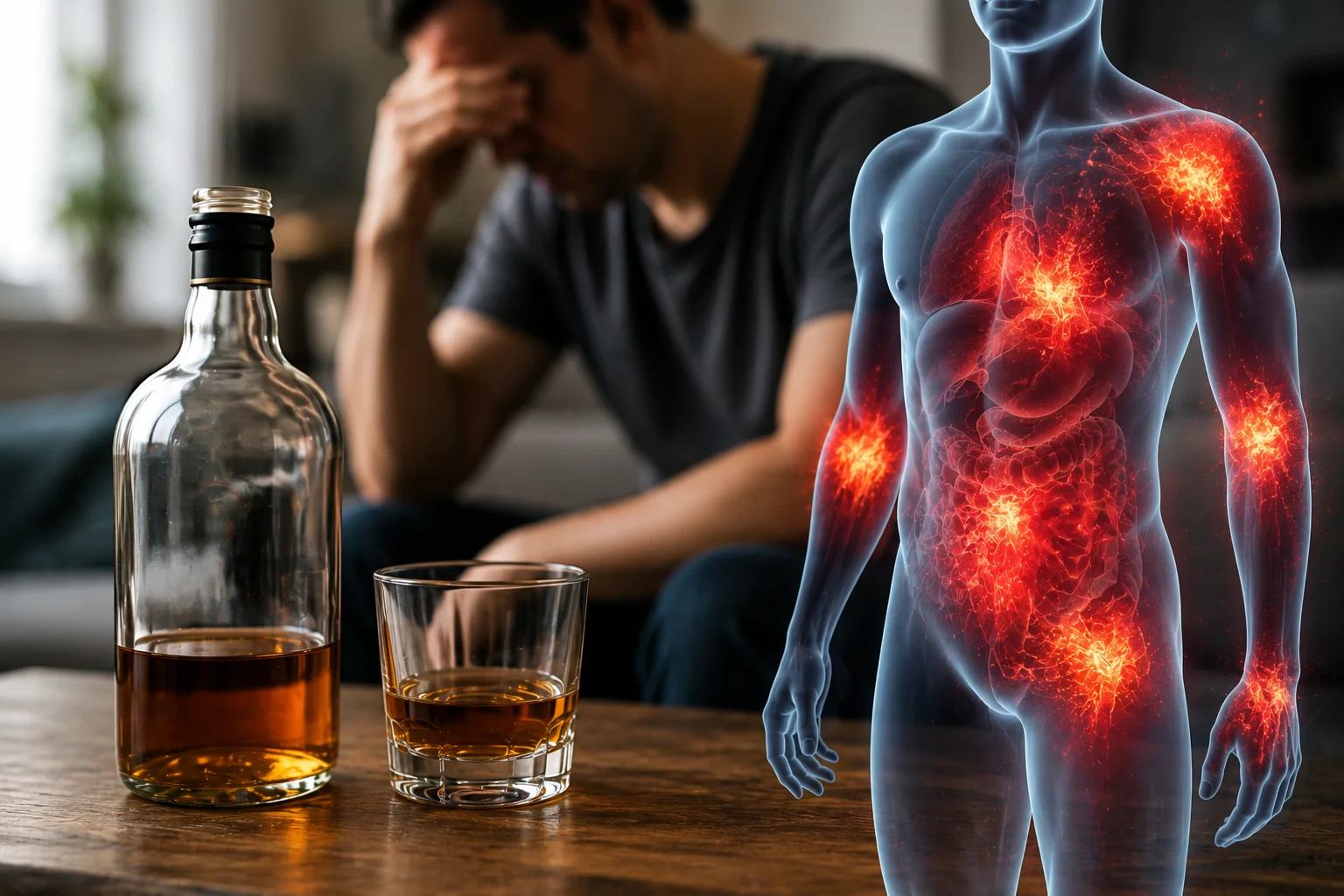



Overcoming opioid addiction is tough because of the high potency of opioids such as fentanyl, heroin, oxycodone, and morphine. It takes courage to take the first step towards any drug abuse treatment. This is due to the association of pain and discomfort with opioid withdrawal.
Quitting cold turkey is life threatening and comes with severe opioid withdrawal symptoms. This method is often unsuccessful with an increased probability of a relapse. Medical detox removes these issues and ensures a safe, effective, and long-term recovery solution. House of Zen Rehab Center has years of clinical practice which promotes long-term recovery with a personalized treatment plan designed to reduce opioid withdrawal symptoms to make recovery manageable and comfortable for you.
What is Medical Opioid Detox?
Detox is the process of elimination of drugs and other substances from the body. The difference between detox and medical detox is 24/7 medical supervision during medical detox. Detox at home is not medically recommended due to the serious consequences. Medical professionals provide assistance to reduce these complications. Opioid complete withdrawal without professional help is dangerous because it causes severe dehydration and shortness of breath. You are also at risk of a potential relapse as the withdrawal symptoms become unbearable. Medical detox offers several benefits such as:
- Managing Withdrawal Symptoms
- Ensures patient’s safety and comfort
- Sets up foundations for further treatment
- Prevents relapse
It’s important to understand that detoxing alone doesn’t mean recovery. It is just the first treatment options in your long recovery journey from drug abuse. Medical detox prepares your mind and body for further treatment to improve engagement and maintain abstinence.
The Science of Opioid Withdrawal: How It Impact the Body
Opioids alter the brain chemistry and affect the brain’s neurological pathways. They bind to the dopamine receptors inside the reward center. These illicit opioids flood the brain with dopamine when a user intakes them. This causes a feeling of euphoria. Opioids primarily are used for pain relief because they trigger changes in nerve cells. The transmission of pain signals to the spinal cord is stopped, therefore creating a pain relief sensation. Due to their repeated use, the brain adapts and reduces the natural dopamine production. This develops opioid dependence because the body needs a high amount of unnatural dopamine in the system to feel normal. There are several negative effects of long-term opioid abuse affecting physical and mental health. Physiological dependence can lead to opioid overdose which is fatal in most cases.
Withdrawal Symptoms:
Opioid withdrawal symptoms happen when someone physically dependent tries to reduce or stop opioid use. Over a longer period of time opioid intake develops dependence and serious complications. Individuals need larger doses to feel the same effect due to physical dependence. This leads to a high risk chronic opioid addiction. The opioid withdrawal symptoms cause pain leading to opioids abuse again. These symptoms range from mild to severe. Some of these life threatening symptoms are:
Early Symptoms: Muscle and bone pain, insomnia, and anxiety.
Later Symptoms: Nausea, vomiting, diarrhea, and intense cravings.
Medical detox makes this process less painful and manageable for the patient. It reduces the risk of a potential relapse by breaking the vicious cycle of opioid cravings and withdrawal symptoms.
Opioid Detox Timeline:
Opioid detox is a long process that lasts from a few weeks to months. It depends on the duration and severity of the addiction, co-occurring disorders, and physical health of the patient. Here’s what to expect when you start your medical detox:
Stage 1: Initial Withdrawal Phase
In first 3 days you experience severe withdrawal symptoms such as
- Depression
- Nausea
- Anxiety
- Body/Muscle Ache
- Insomnia
Medical professionals use medications such as clonidine to tackle these symptoms and complications. Opioid cravings begin as soon as the last dose wears off. 24/7 medical supervision is crucial during these peak symptoms to reduce the risk of health issues and relapse.
Stage 2: Ease in Withdrawal Symptoms
These symptoms begin to subside as soon as the body starts adjusting to the absence of opioids in the following week. But some symptoms, like insomnia, irritability, and cravings, are likely to continue. Other symptoms can include:
- Abdominal cramps
- Vomiting
- Diaherra
- Nausea
Medications such as buprenorphine or methadone are used during this phase for opioid withdrawal and reduce its cravings. Successful completion of this phase increases the probability of an effective detox.
Stage 3: Tapering
The intensity of symptoms subsides, but patients continue to experience some mild symptoms. Medical professionals use different medications to ensure that the process stays comfortable. Doctors focus on opioid tapering and keep you engaged in therapy and support groups. The duration of this phase varies based on the duration and intensity of addiction as well as individual physiology.
The Medical Detox Process at House of Zen
House of Zen believes in supporting individuals and assisting them to achieve long-term recovery. Our treatment process offers 24/7 medical support, therapies, support groups, and resources for our clients to help them live a fulfilling drug-free life. Our medical opioid detox process goes like this:
Detox Personalized Care:
The key to long-term recovery and sustaining a drug-free life lies in the personalized treatment plan. We develop personalized treatment plans for each individual, keeping their needs and goal for recovery in mind. There’s no template for a treatment plan that can help every individual; it has to be personalized for an effective addiction treatment that yields long-term recovery.
Initial Assessment:
Your medical detox admission process starts with a thorough medical and psychological assessment. Our medical professionals review your medical history, substance use disorder history, and if anyone in your family has struggled with addiction. The psychological part of this assessment diagnoses co-occurring disorders to develop a personalized treatment plan for you. Your detox plan is laid out before the medical detox begins to increase the probability of success.
Medication-Assisted Treatment (MAT):
Opioid withdrawal symptoms can be difficult to manage; therefore, medication-assisted therapy is employed to make detox comfortable and ease the pain for the patients. These medications are used to ease opioid withdrawal and shouldn’t be considered a substitute for addiction treatment. Buprenorphine, methadone or naltrexone is administered to ease symptoms of opioid withdrawal and to eliminate the risk of a relapse. This is an important part of medical detox to ensure the patient’s engagement and to improve the effectiveness of the treatment.
24/7 Medical Supervision:
Patients are put under 24/7 medical supervision during inpatient detoxification. Medical professional are available at a moment’s notice to adjust medication and manage symptoms in case of an emergency. Patients recover in a safe and comfortable environment without any worry. As a result, patients and their families can focus on recovery and not worry about any secondary issue.
Supportive Environment:
At House of Zen, patients get access to comfortable private or semi-private rooms depending on their treatment plan. We believe nutritional support and healthy meals improve physical recovery and prevent relapse. Patients are introduced to additional therapies such as meditation or yoga for mind-body recovery. These therapies vary for each individual and their treatment program.
Beyond Detox: The Next Steps at House of Zen
It’s crucial to understand medical detox is just the first step of the long recovery journey. To have a better chance of completely recovering from addiction, you need to transition from detox to inpatient treatment or outpatient care, depending on your needs. Aftercare is a critical step in your addiction recovery journey and to sustain your sobriety. You learn coping strategies and skills to reduce the risk of relapse, which is a common challenge for individuals struggling with addiction.
House of Zen covers everything from detox to inpatient/outpatient care to counseling. Your next step for opioid addiction treatment after detox can include:
- Therapy and Counseling: Continued individual therapy and counseling sessions to tackle the psychological part of addiction.
- Support Groups: Such as Alcoholics Anonymous and Narcotic Anonymous to share experiences with peers who understand your addiction
- Education Programs: These programs are necessary for personal growth and development to make you a better human being.
Medical opioid detox prioritizes safety, comfort, and reliability over anything and sets up a strong foundation for opioid addiction recovery. Your journey to recovery might not be easy and demand huge efforts from you, but recovery is possible with the support of medical professionals and your family.
Frequently Asked Questions (FAQs)
What’s the difference between opioids and opiates?
Opiates generally refers to naturally occurring compounds such as heroin and morphine, whereas opioids include both naturally occurring and synthetic compounds.
What is opioid detox?
The process of eliminating opiates from the body is called opioid detox.
Would opioid detox help me with addiction?
If you have physical dependence on opioids and are unable to quit or reduce opioid usage, you would definitely benefit from opioid detoxification.
Is opioid detox painful?
Opioid detox can cause a certain level of discomfort due to withdrawal symptoms. But medical detox makes detox comfortable and without pain.
What medications are used for opioid detox?
Medications used during detox depend on the personalized treatment program for every individual. But the most commonly used medications approved for opioid detox include:
● Clonidine
● Methadone
● Buprenorphine
● Lofexidine
