



THC is a well-known cannabis compound that causes the “high” that comes with marijuana. It is one of the most talked-about compounds when it comes to cannabis. But a lot of people don’t know that THC starts off with a different natural form called THCA. THCA (tetrahydrocannabinolic acid) and THC (tetrahydrocannabinol) are not the same even though they sound the same. It is important for anyone who is interested in cannabis science, wellness, or even recreational fun to know the difference.
We’ll explain what each compound does, how they affect the body, and why those differences are important in this blog post.
What is THCA?
THCA is short for tetrahydrocannabinolic acid, a cannabinoid that occurs naturally in raw and freshly harvested cannabis. THCA is the main chemical in the plant when it is alive instead of THC. THCA is not a psychoactive substance so it doesn’t make you feel “high” as marijuana does. It is not THC, but rather a precursor which means a chemical building component that can convert into THC when the correct conditions are met.
Decarboxylation is the process that changes THCA into THC which is a psychoactive substance. This happens when heat removes a carboxyl group (a group of carbon and oxygen atoms) from the THCA molecule.
To put it another way:
- Raw cannabis has THCA (which doesn’t make you high)
- Heated cannabis has THC (which does).
What does THC mean?
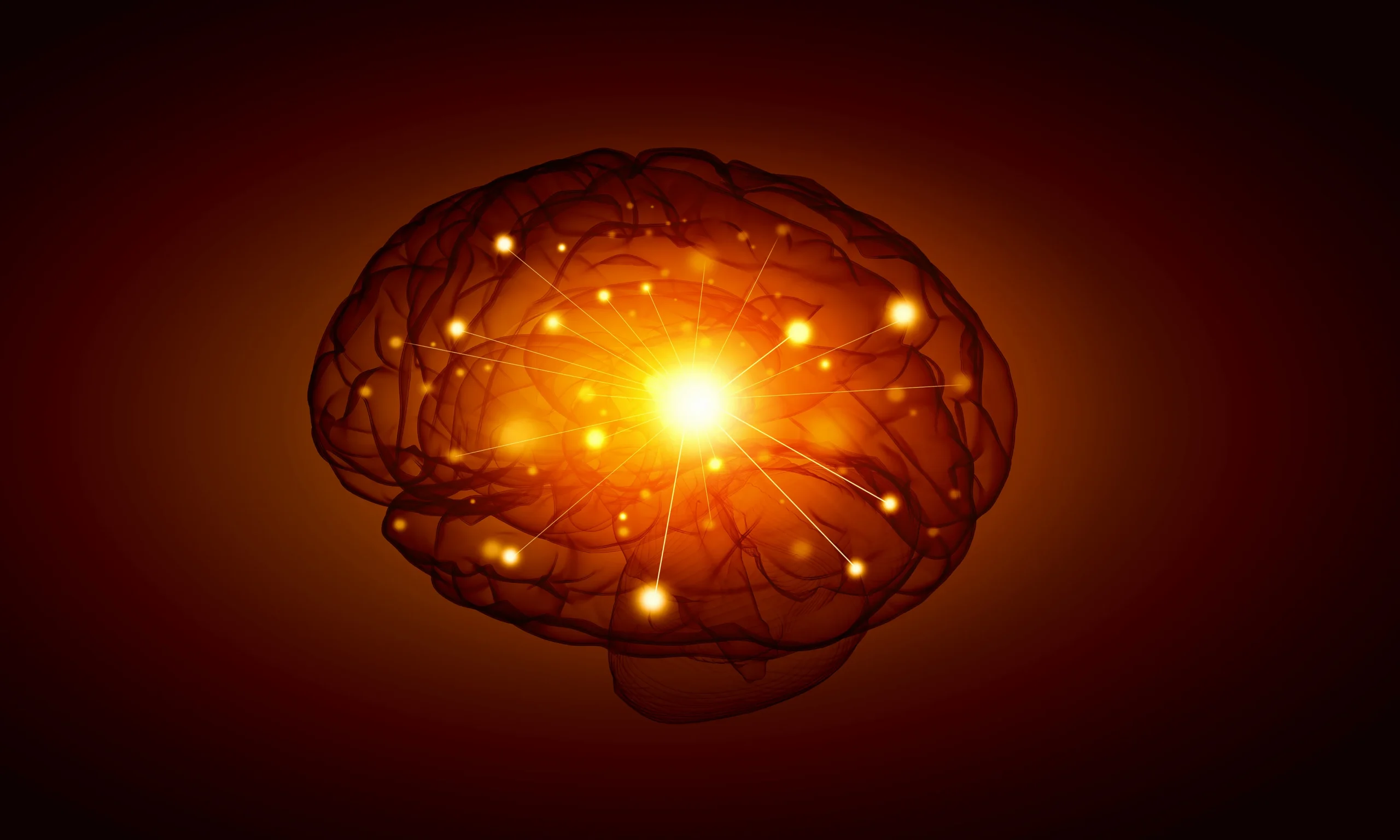
Delta-9-tetrahydrocannabinol, or THC, is the main psychoactive substance in cannabis. It binds mostly to CB1 receptors in the brain’s endocannabinoid system, which makes people feel happy, relaxed, altered perceptions, and have better senses.
When cannabis is heated, such as when it is smoked, vaped, or baked into food, it transforms into THC. The THCA in the plant goes through decarboxylation during this phase. This means that it loses its acidic part and changes into the active THC that we all know.
Chemical Differences Between THC and THCA
Their molecular structures are almost the same. One small chemical variation makes a big difference in their properties. THCA has one more carboxyl group (COOH) than other carboxylic acids. This minor change stops it from attaching well to the CB1 receptors in the brain, which are responsible for psychoactive effects.
When you heat up the carboxyl group, THC changes into the right form to fit into those receptors and provide the traditional cannabis “high.” It’s really fascinating how a small change in structure may radically transform how the chemical works in the body.
How THCA and THC Affect the Body?
The endocannabinoid system (ECS) in your body is what makes THCA and THC different from one other.
THCA: Non-Psychoactive Effects
THCA doesn’t bind strongly to CB1 or CB2 receptors, which is why it doesn’t have the ability to. But some studies show that it could have a number of health advantages, including:
- Anti-inflammatory qualities can aid with autoimmune illnesses or arthritis.
- Neuroprotective effects could help keep the brain healthy and slow down damage from neurodegenerative diseases.
- Anti-nausea characteristics that might help those who are getting chemotherapy.
Some health-conscious people juice or eat raw cannabis leaves to get the probable health benefits of THCA without getting high.
THC: Therapeutic and Psychoactive
THC, on the other hand, attaches directly to CB1 receptors in the brain and CB2 receptors in the immune system. This interaction affects mood, memory, coordination, and how we see things.
- THC can help with medical problems like:
- Managing chronic pain
- Sleep Disorder
- Stimulating appetite (good for people with eating problems)
- Reducing nausea and vomiting
But THC can also cause negative effects including anxiety, short-term memory loss, or poor coordination, especially when used in large amounts.
How Decarboxylation Changes THCA into THC
Decarboxylation is the simple but important process that changes THCA into THC. It happens in the presence of heat or time.
- Heat Activation: When you smoke, vape, or bake cannabis heat rapidly removes the carboxyl group from it which changes THCA into THC.
- Time Activation: Long-term exposure to sunshine or air can create slight changes over time without need of heat.
For example:
If you ate raw cannabis leaves, you wouldn’t get high. It is because the THCA in the leaves hasn’t changed yet to THC. But if you bake the same leaves into brownies, the heat from the oven activates THC. This decarboxylation is the cause for you feeling high.
Differences in Legal Statuses of THCA and THC
It’s difficult to know what the law says about THCA and THC because they are chemically linked. THC is a restricted drug in several nations, such as the United States. But the legal status of THCA is not certain to some extent. Many authorities treat THCA like THC under federal law since it is easy to turn THCA into THC. The 2018 Farm Bill made it legal in the U.S. to grow hemp and related products made from it that have less than 0.3% THC by dry weight. Some manufacturers say that THCA itself doesn’t count towards this limit, but that it does once it has been decarboxylated.
This implies that a product with a lot of THCA can be lawful until it is heated, at which point it turns into THC and is subject to tough restrictions. Laws are different in different places, thus you should carefully verify their own laws.
Which is better: THCA or THC?
There is no clear “better” compound; they are both useful in various ways.
- THCA is great for people who want to get the possible health advantages without getting high. People who want to be clear-headed and in wellness circles usually choose THCA.
- THC on the other hand has psychoactive effects that some people find very helpful for some benefits such as relaxation, creativity, or pain treatment. It is not safe for everyone however, especially those who already have conditions like anxiety or psychosis.
Your goals, body chemistry, and the laws in your area can help you choose the best option for your body.
Possible Risks and Side Effects
THCA doesn’t make you high, but it’s not completely safe. It might still cause stomach problems or interfere with other medicines if you take it the wrong way or in high doses.
But THC has more serious effects, especially when used often or in large amounts:
- Short-term memory issues
- Increased Heart rate
- Anxiety or fear
- Coordination problems
- Risk of dependence with extended usage
Heavy THC consumption in teens can also impact how their brains grow and how well they think. You should talk to a trained medical expert first in case you want to use cannabis for its health effects.
How to Use THCA and THC
The best way to eat THCA is raw:
- Juicing raw cannabis buds or leaves
- Putting raw cannabis powder in smoothies
- Using tinctures made from cold-pressed cannabis
THC, on the other hand, needs heat to work:
- Using dried flower to smoke or vape
- Cooking edibles in the oven
- Using decarboxylated THC oils or tinctures
Always start with small doses and see how your body reacts to it. It is recommended to buy from reliable sources to ensure that your product’s cannabis content is safe and accurate.
Conclusion:
THCA and THC are similar to each other however they have different effects on the mind and body. THCA is the raw, non-psychoactive form which is useful in medicine. THC is the active ingredient which provides you the “high” and some medicinal benefits of cannabis. Understanding these differences can help you make smart, safe, and useful decisions. It doesn’t matter whether they are for health or medical use, you can benefit from these compounds.
Frequently Asked Questions (FAQ’s):
Is THCA the same as THC high?
THCA doesn’t produce a high like THC because it is non intoxicating and doesn’t bind to CB1 receptors.
Is 20% THCA equal to 20% THC?
To get accurate conversion, you should multiply THCA percentage with 0.8777 for any percentage of THCA to THC.
Can I fail the test for THCA?
Standard drug tests do not screen THCA. But if it’s converted into THC, it can be detected through urine, blood and saliva tests.
How long does THCA high last?
THC high can last for about 2-10 hours depending on the dosage, method of usage and your physical health.
Is THC bad for my cardiovascular health?
Yes, many studies have shown THC which is a major part of cannabis can cause cardiovascular problems.
