


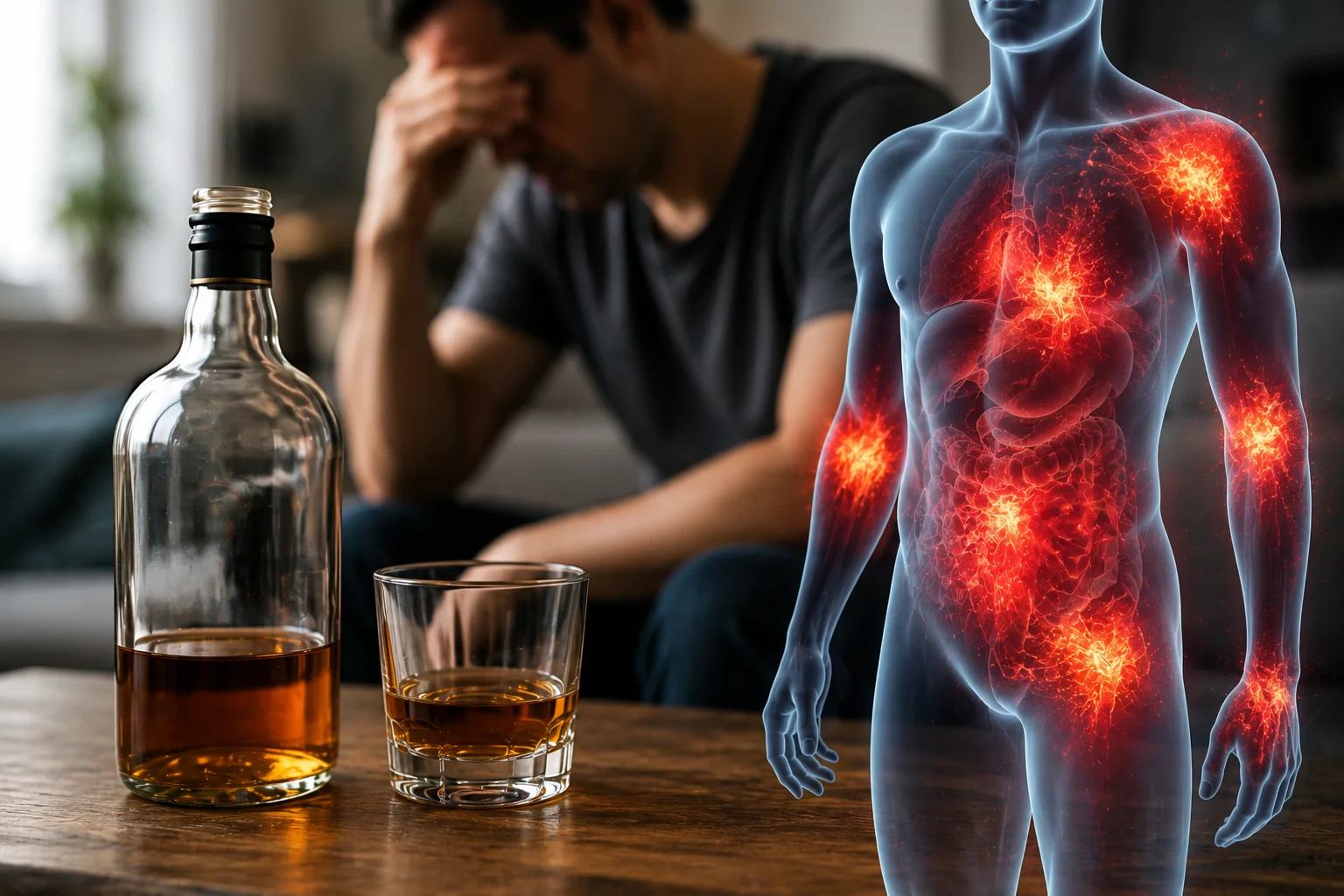


When you are addicted, you feel alone even when you are with your family and friends. Every addiction is different and has its own problems, but it is possible to defeat it and take back control of your life. Different substances influence your body in different ways, and knowing how they do it can make a big difference.
It will be easier for you to recover and stay sober for a long time if you learn about these substance-specific pathways. Today we will discuss personalized treatment and how to deal with withdrawal symptoms for successful recovery.
What Are Substance-Specific Pathways?
Not all addictions follow the same one pathway because each substance affects the brain and body differently. Treatment approaches need to be tailored for each person. Substance-specific pathways are evidence-based methods that help with withdrawal symptoms, treatment issues, and long-term recovery from substance abuse.
House of Zen makes sure that people with alcohol, opioid, benzodiazepine, or stimulant addiction and co-occurring disorders get the right treatment plan for their needs. These plans use medical detox, therapy, and holistic approaches to help you with various pathways and restore your mind, body, and soul.
Personalized Treatment Pathways For Substance Use Disorder Treatment:
A personalized treatment plan for each drug is important for long-term recovery. We use a combination of medical, therapeutic, and holistic methods in our treatment plans. Using the same approach for all substances doesn’t work and results in a waste of both time and money. Here’s how we make sure that each of our patients gets the right treatment plan for them:
Alcohol Withdrawal Treatment:
When someone who is addicted to alcohol cuts back on or stops drinking, they experience alcohol withdrawal symptoms. These symptoms start within 8 hours after your last drink and might stay for a few days. They are at their peak between 24 and 72 hours, and it is very important to get medical help at this time to be safe especially for people with co-occurring issues. Here’s a look at what happens during therapy for alcohol withdrawal:
Medical Detox:
Medical detox is the first stage in your treatment once you enter an alcohol addiction program. It sets up a strong foundation for the rest of your treatment for better recovery support. Medical detox requires constant monitoring to keep seizures and DTs under control. This also helps people with co-occurring disorders. This is very important because withdrawal symptoms are uncertain. Having a doctor on call to help right away in case of a medical emergency might save a patient’s life.
Medications:
Withdrawal treatments use medications to ease the symptoms. FDA-approved drugs for alcohol withdrawal include the following:
- Benzodiazepines: People take benzodiazepines like diazepam to reduce anxiety.
- Anticonvulsants: Anticonvulsants are used to stop seizures.
- Naltrexone: It helps individuals stay sober and fight cravings.
Other medications can be used depending on individual needs of every patient.
Therapy:
Alcohol withdrawal treatment uses evidence-based therapy like Cognitive Behavioral Therapy (CBT) to deal with addiction triggers, such as stress or social drinking. Alcoholics Anonymous is one of many support groups that provide social resources and help you continue on the road to long-term recovery.
Holistic Care:
Patients take part in creative modalities like yoga, mindfulness, and nutrition. All of these therapies are part of a holistic approach to help you be physically and emotionally healthy, making your recovery much simpler aligned with your personal goals.
Opioid Withdrawal Treatment:
Within 12 hours of the last dose, opioid withdrawal symptoms start to appear and stay for around 5 to 7 days before subsiding. The duration of the withdrawal period depends on the type of opioids and how long you have been taking them. Withdrawal from opioids is not usually fatal, but it is quite uncomfortable because of the painful withdrawal symptoms.
Medical Detox:
Opioid withdrawal treatment, like other withdrawal treatments, begins with a medical detox. Medical monitoring is needed to help with severe physical symptoms and to reduce the chances of a relapse. This step gets rid of any traces of opioids in the body, which helps with long-term recovery.
Medications:
Opioid withdrawal requires the use of medications to make the procedure easier for the patient’s recovery support. One of the methods used for this is medication-assisted therapy, or MAT.
- Methadone and buprenorphine help with withdrawal symptoms and cravings to lower the risks of relapse.
- Lofexidine is used to ease anxiety and pain caused by drug withdrawal.
Therapy:
Opioid therapy includes evidence-based therapies like Dialectical Behavior Therapy as well as MAT. These therapies help people control their emotions during withdrawal, which means less anxiety, mood swings, and cravings for opioids.
Holistic Care:
These therapies include acupuncture and exercise depending on an individual’s values. This holistic approach is used to ease the physical pain due to withdrawal symptoms and improve overall mood.
Benzodiazepine Withdrawal Treatment:
Benzo withdrawal is unpredictable and can be life-threatening in some cases. The withdrawal symptoms for benzos include severe anxiety, panic attacks, and seizures. With medical detox, withdrawal is continuously monitored, and medications are used to keep you safe and comfortable. There are various stages of recovery process including:
Medical Detox:
The first step in safely getting off benzodiazepines is to go through medically supervised detox. Tapering slowly is important to avoid severe withdrawal symptoms like seizures and extreme anxiety. Usually, dosages are cut by around 10% every 1–2 weeks, although this can be changed depending on how the patient is feeling and how their body responds.
Medications:
The primary treatment is to slowly lower the dose of benzodiazepines. This typically means switching to a longer-acting kind like diazepam to make the taper easier. You can be given anticonvulsants to help with withdrawal symptoms and lower the chance of seizures for successful recovery.
Therapy:
Cognitive Behavioral Therapy (CBT) helps people deal with anxiety and develop coping skills during and after withdrawal. Support groups provide emotional support and a chance to share your experiences helping to support recovery.
Holistic Care:
Meditation, yoga, and regular exercise can help with panic, tension, and withdrawal pain. Deep breathing and muscle relaxation are two examples of relaxation techniques often employed in this holistic approach.
Stimulant Withdrawal Treatment:
When a person who is addicted to stimulants like cocaine, meth, or prescription stimulants stops using them, they go through a withdrawal phase. These signs usually show up a few hours to a day after the last dose and can last for days or weeks. Getting professional help is very important to avoid relapse because stimulant withdrawal can cause severe mental distress. You can go for inpatient or outpatient care depending on your needs. Below are various stages for withdrawal treatment plan:
Medical Detox:
Stimulant withdrawal is not usually life-threatening, but it can have serious effects on mental health, such as suicidal thoughts and depression. If there are any mental or physical problems, medical staff can step in right away. There are no FDA-approved drugs that are specifically for stimulant withdrawal, but doctors may give you other medications to help with your symptoms:
- Antidepressants: Used to stabilize mood and ease depression.
- Sleep aids: Help with insomnia and promote restorative rest.
- Anti-anxiety medications: Short-term use can reduce anxiety and agitation.
Behavioral Therapy:
Evidence-based therapies like Cognitive Behavioral Therapy (CBT) and Contingency Management help patients figure out triggers and learn ways to deal with them for sustained recovery.
Holistic Care:
Mindfulness meditation, exercise programs, and nutrition planning are all examples of holistic therapies that can help your body and mind recover after stimulants. Exercise can help the body make more dopamine, and eating well can help the body get its energy levels back in balance to support recovery.
Key Points for Successful Addiction Recovery
To follow the right path to recovery for any addiction, you need to know these important things:
Importance of Medical Supervision: Professional detoxification under medical supervision makes sure that withdrawal is safe and that symptoms are handled properly
- Integrated Treatment: When you combine medication assisted treatment, psychotherapy (like CBT), and holistic modalities like meditation and relaxation, your chances of recovering are around 70% better than when you only do one of these things.
- Handling Co-Occurring Disorders: Mental health issues, especially anxiety and despair, are common with drug use disorders. Therapy for both mental health and addiction at the same time, known as dual diagnosis, leads to improved long-term results.
- Build a Support Network: Participating in peer support groups like Narcotics Anonymous or SMART Recovery and family therapy will help you build social support. These community resources cut the likelihood of relapse by almost 50%. Family members can also help you with social support for the recovery process.
- Plan for Long-Term Sobriety: Making plans to avoid relapsing, continuing therapy, and changing your lifestyle by adding good habits and activities provide recovery support improving long term outcomes.
- Personalized Plan: Recovery programs that consider the person’s history of drug use, physical health, mental health issues, and personal goals lead to better participation and treatment success.
Holistic Approach For Preventing Relapse
Detox is only the first step in your addiction recovery. A comprehensive and proactive plan is necessary for long-term sobriety and to avoid relapse. It offers many pathways to follow for your whole person’s recovery process.
Develop a Plan for Relapse Prevention:
Work closely with a therapist to get a better idea of what your personal triggers are, such as stress, social settings, or emotional problems. These can make you want to use drugs or alcohol again, leading to relapse.
Engage in Therapy:
Evidence-based therapies like Cognitive Behavioral Therapy (CBT), Dialectical Behavior Therapy (DBT), or therapy with family members make people emotionally strong and give them the tools they need to deal with cravings and control their emotions.
Build a Sober Lifestyle:
Having scheduled daily routines is good for both your body and mind. It makes you feel better and have more energy, get enough sleep, eat a balanced diet, and work out regularly.
Stay in touch:
It’s crucial to have strong social support. Regular check-ins with peer support groups like Narcotics Anonymous, SMART Recovery, or our outpatient programs can help you with total abstinence.
Frequently Asked Questions (FAQs):
Why is understanding substance-specific pathways important?
Understanding substance-specific pathways is important for effective treatment and prevention. These pathways unveil the unique ways each substance alters brain chemistry. This leads to targeted interventions reducing the unique effects of each substance addiction on the human body.
What is medication-assisted treatment, or MAT?
Medication-assisted treatment uses prescribed medications for different steps of addiction recovery. These medications help with the detoxification and withdrawal process to make the process easier for individuals.
How can I choose the right treatment option?
The right pathway for every individual is different depending on their needs and goals. Consulting with a medical professional can help you understand your most suitable option.
What are some common holistic therapies?
Some of the most common holistic therapies include acupuncture, yoga, massage, and nutritional therapy.
