

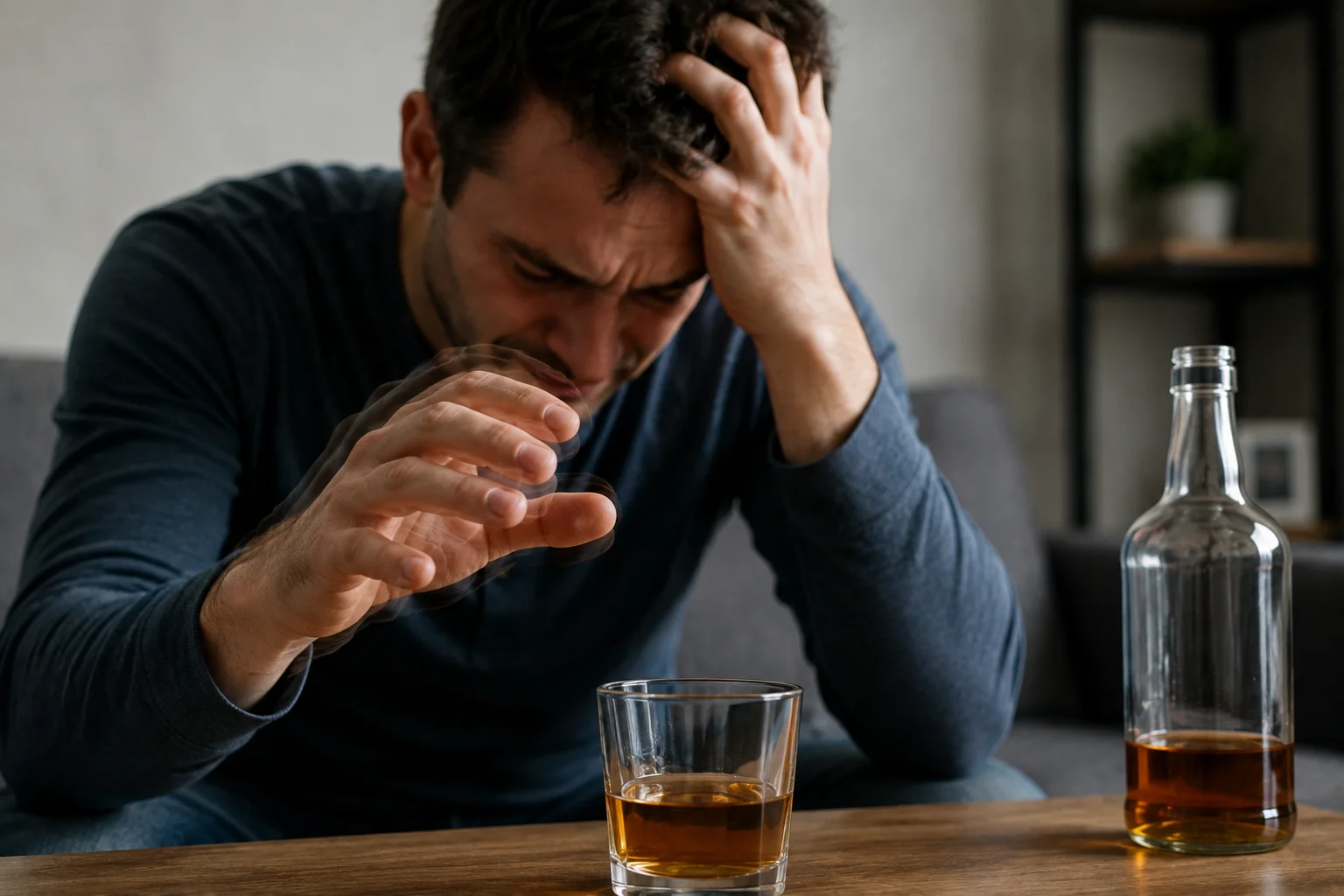

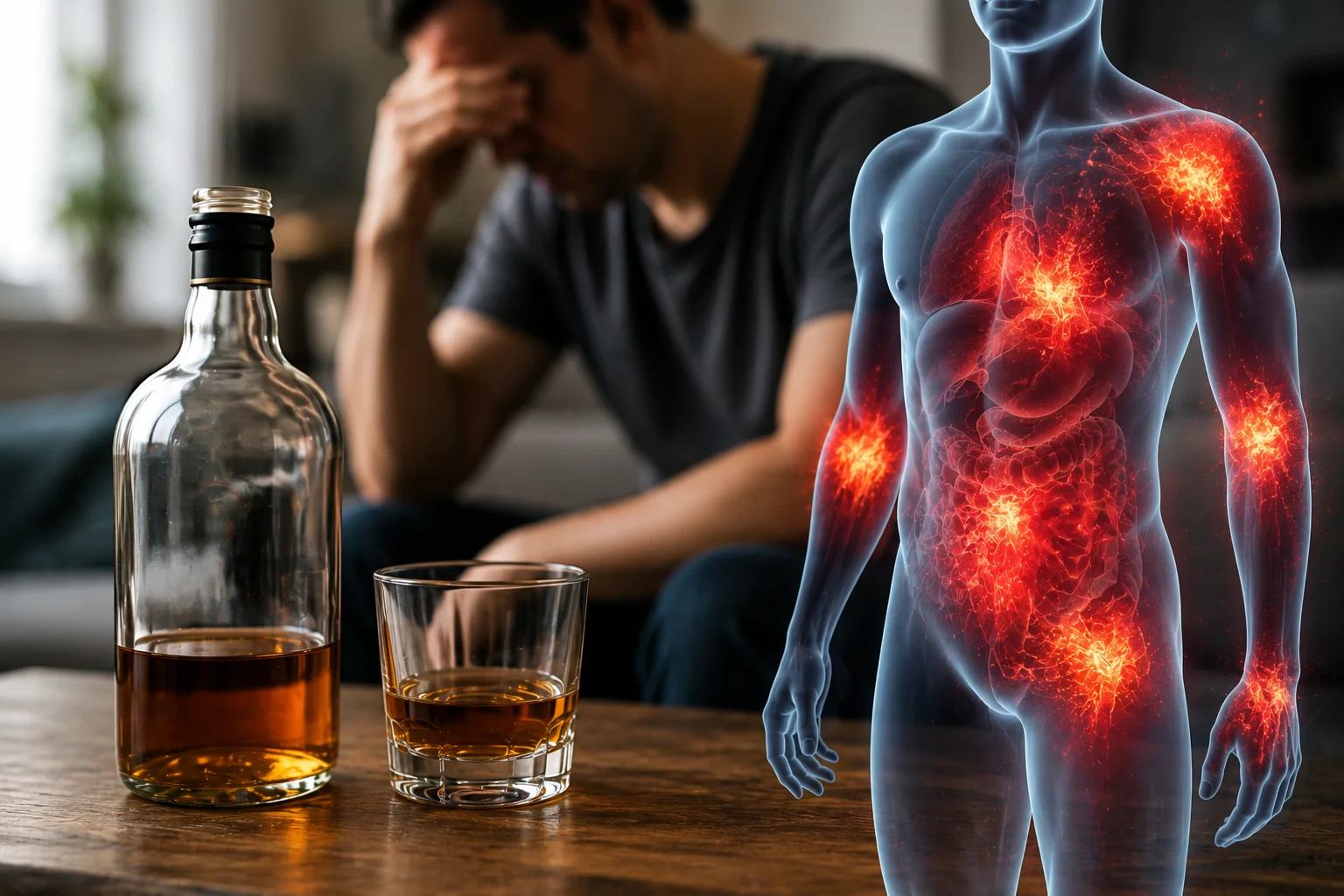


If you or someone you care about is struggling with both PTSD and addiction, you may have questions about the best path forward. This guide breaks down dual diagnosis in simple terms, explains how PTSD often connects with substance use, and highlights proven treatments that offer lasting recovery.
What is Dual Diagnosis?
Dual diagnosis, also referred to as co-occurring disorders, is the presence of both mental health issues and a substance use disorder. According to the Substance Abuse and Mental Health Services Administration (SAMHSA), approximately 9 million people living in the U.S. experience co-occurring disorders every year. This isn’t a random occurrence; mental health conditions like PTSD can be a catalyst for addiction, in turn, leading to the vicious cycle.
We at HoZ Rehab realize that treating one problem while neglecting the other can lead to relapse. Co occurring conditions treatment treats both concurrently with an integrated approach, which combines therapy for mental health alongside addiction strategies for recovery. This provides a solid basis for treatment, while reducing the chance of setbacks and improving overall health.
The most important aspects of dual diagnosis are:
- Integrative Screening: Early assessment to determine both conditions.
- Individualized Treatment Services: Designed to meet the specific needs of each patient.
- Multidisciplinary Teams: Including psychiatrists and addiction counselors, and holistic professionals.
Understanding PTSD: Causes, Symptoms, and Impact
Post-Traumatic Stress Disorder (PTSD) is a mental health issue that can be caused by witnessing or experiencing a horror or frightening event. Common causes include exposure to combat or natural disasters, sexual assault or accidents, as well as trauma from childhood. Although not all who experience trauma develop PTSD, genetics, brain chemistry, and a lack of support could make it more likely.
Symptoms
The mental health symptoms of PTSD are generally classified into four groups:
- Intrusive memories: nightmares, flashbacks, or painful recollections of the experience.
- Avoidance: Avoiding any reminders, people, places, or any activities related to the trauma.
- Negative changes in Mood and thoughts: Feelings of hopelessness and detachment. Memory issues or misguided opinions about oneself and other people.
- Hyperarousal: Being easily disturbed and irritable and having difficulties sleeping, as well as engaging in self-harming behaviors.
The symptoms may last for a long time, which can have a major impact on the way you live, interact with others, and work. If not treated, those who have PTSD might resort to alcohol or drugs to cope, which can lead to dependence.
We at House of Zen Rehab stress that post traumatic stress disorder isn’t an indication of weakness, but rather an illness that can be treated. Our team of compassionate professionals helps clients recover from their trauma in an environment that is safe and supportive.
The Link Between PTSD and Substance Abuse
PTSD and addiction issues frequently co-exist, and research suggests that as high as 50 percent of those suffering from chronic posttraumatic stress disorder are also struggling with addiction. Why is this?
- Self-Medication: A lot of people use substances or alcohol to reduce the pain of emotional trauma, lessen anxiety, or avoid flashbacks. For instance, alcohol may temporarily decrease hyperarousal, but it can cause more symptoms to worsen over time.
- Common Risk Factors: Both diseases may be a result of similar injuries or vulnerabilities in biology, like brain disorders, or reward systems.
- The Cycle of Aggravation Drug abuse can cause PTSD symptoms, including an increase in anxiety or trigger more intense flashbacks. Untreated PTSD can increase the desire to take drugs.
This creates an ambiguous diagnosis in which one condition fuels the other. By ignoring this connection, treatment could lead to a lack of recovery. Research conducted by NIDA National Institute on Drug Abuse (NIDA) emphasizes that integrated treatment significantly improves outcomes, including fewer relapses and enhanced mental health stability.
Why Dual Diagnosis Treatment is Crucial for PTSD
Treatment of addiction and PTSD in isolation is like dealing with only half the issue. Treatment for both disorders is crucial due to the following reasons:
- Holistic Recovery: It addresses the root cause, not only symptoms.
- Reduced Risk of Relapse: In controlling both conditions, patients improve their coping abilities.
- Improvement in Quality of Life: Clients report better emotional control, better relationships, as well as improved everyday functioning.
In the absence of integrated care, people may participate in randomized controlled trial programs with no lasting results. In House of Zen Rehab, our co-occurring conditions programs with behavioral interventions have been designed to end this cycle by offering the most effective therapies based on scientific research that conform to guidelines set by organizations such as the American Psychiatric Association (APA).
Dual Diagnosis Treatment Approaches at House of Zen Rehab
We at our House of Zen treatment center are focused on zen-like, recovery environments that foster meditation and peace of mind. To treat dual diagnosis, focusing on PTSD, we offer various evidence-based, prolonged exposure therapy and holistic treatments. Here’s the complete breakdown:
1. Assessment and Diagnosis
Every trip begins with a thorough review by our certified professionals. This includes:
- Psychological tests to confirm comorbid posttraumatic stress disorder and other substance use psychiatric disorders.
- Medical detox, if required, will be under the supervision of our medical staff to ensure your safety and comfort.
- A customized goal-setting process to align the way you handle your life.
2. Evidence-Based Therapies
We employ proven techniques that are tailored specifically for the dual diagnostics:
- Cognitive Behavioral Therapy (CBT) helps to reframe negative thoughts about trauma and triggers for addiction.
- Eye Movement Desensitization & Reprocessing (EMDR) is a specific therapy to process traumatic memories, while minimizing the emotional impact.
- Dialectical Behaviours Therapy (DBT) teaches emotional regulation and distress tolerance, ideal for managing ptsd symptom severity.
- CBT focusing on trauma specifically addresses trauma, while integrating addiction recovery tools.
3. Medication-Assisted Treatment (MAT)
Certain clients may require medication. Can play an important role:
- Antidepressants, such as SSRIs (e.g. sertraline) to relieve PTSD symptoms.
- Naltrexone or an anti-anxiety medication to treat alcohol dependence.
- Each prescription is managed by our psychiatrists, who also provide strict monitoring to avoid dependency.
4. Holistic and Complementary Therapies
Our zen concept inspires us, we combine both traditional and evidence based treatment methods:
- Awakening and Mindfulness: Regular sessions designed to help clients ground themselves in the present and reduce the level of hyperarousal.
- Yoga as well as Tai Chi: Physical practices that help to relax and increase body awareness.
- Music Therapy and art therapy are creative outlets for the expression of pain without words.
- Equine-Assisted Therapy: Engaging with animals to establish trust and emotional bonds.
5. Group and Family Therapy
- Support Groups: Sessions led by peers to share experiences with other patients who are dealing with dual diagnoses.
- Family Counseling: Helps educate loved ones about addiction and PTSD, while also creating an environment of support for the family.
6. Aftercare and Relapse Prevention
The recovery process doesn’t stop when you’re discharged. The programs we offer include
- Follow-up appointments for outpatients.
- Support group therapy for alumni.
- Relapse prevention plans that include strategies for coping with co-occurring PTSD triggers.
Are you seeking safety treatment for alcohol use disorder or drug use disorders? Then in our serene facility, which is surrounded by tranquil rooms and gardens, we provide a peaceful and comfortable long-term recovery.
Benefits of Integrated Dual Diagnosis Treatment
House of Zen Rehab clients experience transformational benefits:
- Greater Rates of Success: Integrated care results in 60 to 70% better retention rates in clinical psychology programs, according to SAMHSA information.
- Empowerment: Managing addiction and PTSD builds resilience.
- Long-Term Wellness: Reducing symptoms can lead to better sleep, as well as relationships and productivity.
- Cost-Effectiveness: Avoiding relapses can save on the cost of future healthcare.
A client said, “House of Zen helped me face my combat PTSD without relying on alcohol. The integrated approach saved my life.”
Frequently Asked Questions (FAQs) About Dual Diagnosis Treatment for PTSD
Q1. Does dual diagnosis treatment get covered by your insurance?
Many rehab plans cover it. Our admissions team will verify your benefits.
Q2. Can PTSD be treated?
Yes, but although they aren’t “cured,” symptoms can be controlled effectively to ensure the best quality of life.
Q3. How long is the dual-diagnosis treatment – PTSD?
The length of treatment can vary, usually 30 to 90 days for inpatients, then outpatient treatment.
Q4. What happens if I’ve had a relapse before?
Relapse is an integral part of recovery. We offer tools to help you return to normal.
Q5. What is the best treatment for dual diagnosis?
The most effective treatment is integrated care that tackles both mental health disorders and substance dependence simultaneously by utilizing therapy and medications.
Q6. What is the common dual diagnosis of PTSD?
PTSD is most frequently associated with alcohol and substance use disorder, which is followed by anxiety and depression.
Q7. What are two medications that the VA strongly recommends for the treatment of PTSD?
The VA strongly suggests sertraline (Zoloft) and paroxetine (Paxil) to treat PTSD treatment.
Q8. What is the most successful treatment for PTSD generally?
The most effective treatment is psychotherapy focusing on trauma, like CPT, PE, or EMDR.
Conclusion: Take the First Step Toward Recovery at House of Zen Rehab
The dual diagnosis therapy for PTSD is much more than recuperation. It’s about finding peace and purpose in life. Here at House of Zen Rehab, our team of experts is dedicated to guiding you through each step with kindness and knowledge.
If you or someone in your family suffers from PTSD and addiction to drugs, don’t put it off any longer. Contact us today to schedule an initial consultation that’s confidential. Then, begin your journey to a relaxed state of mind.
Are you interested in learning more? Go to our website or contact us to speak to an expert. Be aware that treatment is possible, and we’re here to assist you.
