



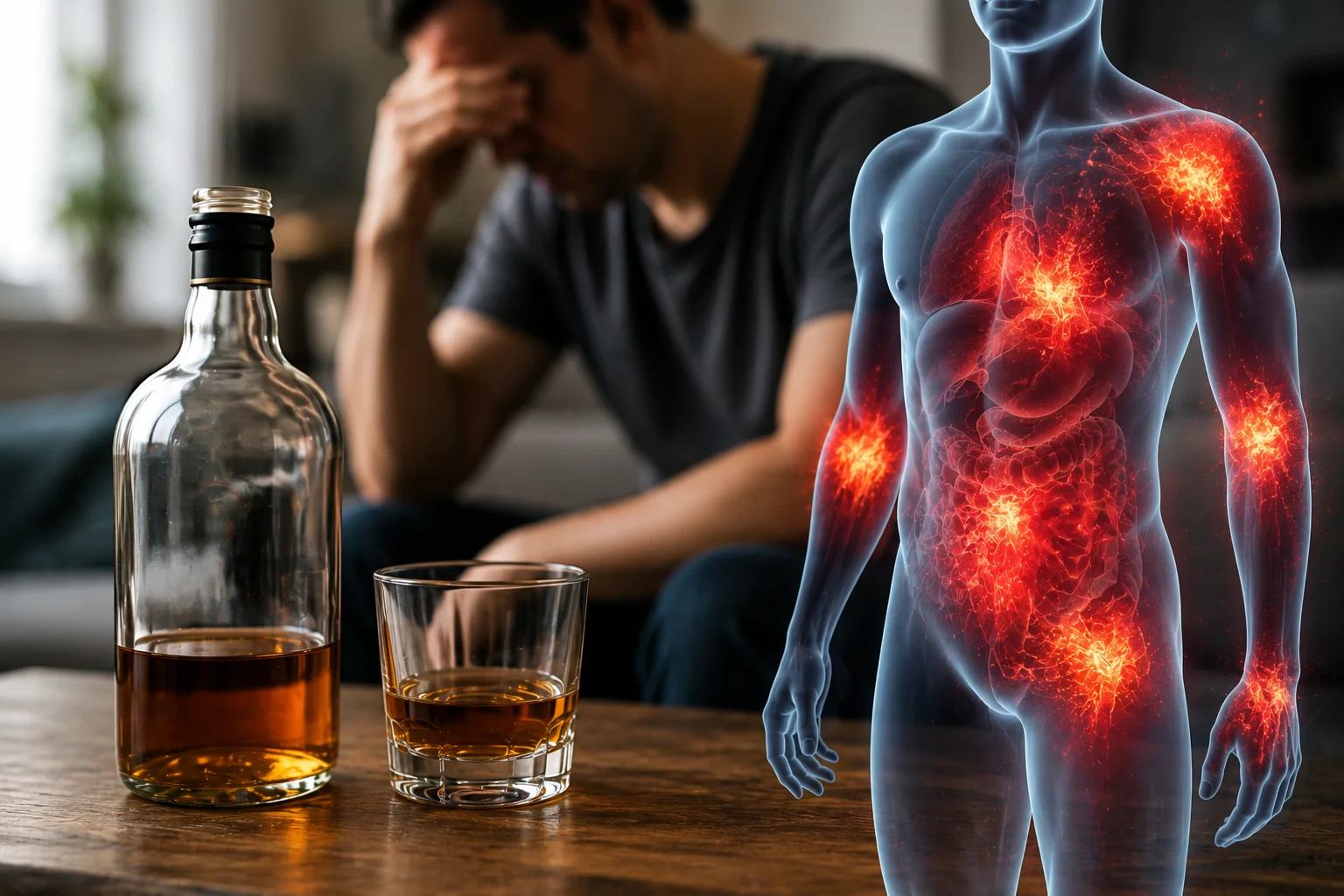



LSD stays for approximately 24 hours in your system, even though traces remain detectable for a longer time in specific tissues. This acid is familiar for its sensory changes, altered thinking patterns, and intense visual disruption. LSD can leave the body within a few hours, based on metabolism, and is detectable through different tests. Moreover, individuals also experience the after-effects even after LSD leaves their bodies.
What is LSD (Lysergic Acid Diethylamide)?
It is a psychedelic drug derived from the ergot components that a fungus grows on the grains and rye. The first-ever synthesis of LSD was completed in the 1930s and later researched for therapeutic uses, even though it is still not legal in the United States.
Lysergic Acid Diethylamide affects the serotonin receptors of the brain, particularly the 5-HT2A receptor. This receptor is responsible for influencing memory, perception, mood, and sensory experience. A tiny dose can result in different psychological and emotional effects, like philosophical thoughts, time perception changes, and vivid visuals.
What are the Risks and Effects of LSD?
LSD is a non-addictive acid and does not result in compulsive use. However, daily or frequent use can lead to a number of risks. It is important to note that sensitive individuals experience the dangers more even after withdrawing from LSD use. Let’s take a look at the risks of LSD:
- Anxiety
- Confusion
- Altered thoughts
- Flashbacks
- Impaired perception
- Paranoia
- Persistent hallucinations
Individuals using Lysergic Acid Diethylamide can experience different effects within 20 to 90 minutes that will last for 8 to 12 hours. That’s why it is necessary to understand the different effects of LSD:
- Increase visual pattern
- Time distortion
- Intense euphoria
- Thinking pattern alteration
- Ego dissolution
- Dilated pupils
- Nausea
- Increase body temperature
- Quick heart rate
Looking for top-notch addiction treatment services in Los Angeles?
House of Zen in LA has become a perfect choice due to certified staff, a luxurious treatment center, and effective treatment options.
What is the Metabolization Process of LSD?
Does LSD stay in the system forever? No, LSD does not stay in the system forever and is eliminated based on metabolism. There are different routes for LSD to enter the body, but the most common one is oral ingestion. The absorption of Lysergic Acid Diethylamide is through the digestive system and then enters the bloodstream.
It starts interaction with the different receptors, particularly the brain’s serotonin receptors. The breakdown of LSD starts to have a prominent role in the stay time and detection of the LSD in the body.
How is LSD Processed in the Liver?
The liver has an important role in converting LSD into many metabolites using specific enzymes. The popular byproduct of the metabolism process is 2-oxo-3-hydroxy-LSD. It is important to consider that O-H-LSD remains in the system longer than LSD itself. This metabolite is usually detectable through advanced drug tests. However, the LSD detection through this metabolite becomes difficult because of the smallest quantities.
Why Does Metabolism Matter in LSD Detection?
Every person metabolizes substances at a distinctive rate, affecting the detection time of LSD for one person compared to another. There are different factors influencing the metabolism process, such as hydration, liver health, and age. An individual with a quick metabolism can process LSD sooner as compared to those with a slower metabolism. That’s why the acid detection window is not the same for every person.
How Long Does Acid Stay in Your System?
There are long-term psychological effects of LSD, even though it is eliminated from the bloodstream quickly within a few hours. It is a fact that most of the Lysergic Acid Diethylamide leaves the body within the first 24 hours, but users can feel the long-lasting or intense effects.
The tiny traces of LSD remain easily detectable in specific tissues for a longer time, but these traces are too small to be easily detectable through tests. The fast elimination is the major reason behind LSD’s being undetectability through the routine drug tests.
Individuals usually use LSD in microgram amounts, which makes it difficult for advanced laboratories to accurately detect this acid in the body. There is also no accumulation of LSD in the body fat, unlike other substances like THC and THCA, resulting in a short-term presence.
What is the LSD Test Detection Window?
The detection window for LSD varies from one test to another. Routine drug screenings cannot conduct LSD tests without special orders. The reason is that LSD is in tiny amounts, which also makes it challenging for specialized tests to identify correctly.

Urine Test
How long does LSD stay in your urine? LSD stays 1 to 4 days, which is detectable through a drug test. Urine tests are effective for detecting LSD and its major metabolite O-H-LSD in the system. Urine tests for LSD offer a longer detection window as compared to other standard tests. Testing equipment sensitivity and metabolism are factors affecting results.
Blood Test
How long does acid stay in your blood? The acid stays in the blood for 6 to 12 hours. That means there is a very short detection window for LSD through blood tests because blood is eliminated from the bloodstream fast. This test is preferred in specific medical conditions or emergency cases. This is a less reliable test for past LSD use.
Saliva Test
Saliva test for LSD is uncommon and not implemented in routine screening, but it is effective in the detection of cocaine. This test can detect the recent use with a detection window of 8 to 16 hours. There are accuracy limitations because a tiny amount of LSD stays in saliva. That’s why saliva testing is least dependable as compared to blood or urine tests.
Hair Test
Hair test for LSD detection ensures a larger detection window of up to 90 days. This extended detection window indicates that metabolites remain in hair strands as they keep growing. However, the presence of LSD in hair is not ideal for accurate and consistent testing. Hair tests are not very reliable for LSD detection.
Considering a drug test and safe withdrawal from addiction?
Get in touch with the professional medical staff at the House of Zen and start your recovery journey today.
What are the Factors Affecting the Duration of LSD in the Body?
There are different factors influencing the stay time of LSD in the system. These factors can vary from one person to another, directly affecting the detection window.
- Metabolism Speed: A quick metabolism ensures the fast and smooth breakdown of LSD, minimizing the detection window as compared to a slow metabolic rate.
- Dosage: Higher doses take a longer time to process in the body. However, there is a slight difference because LSD is active in micrograms.
- Frequency: Frequent use slows down the elimination because the body is busy handling more metabolites, as compared to quicker elimination due to occasional use.
- Body Mass: Body type also affects the metabolism and elimination speed, while also affecting the alcohol detection window. The overall composition has a minor role, even if LSD can’t be stored in fat.
- Hydration: Proper hydration is essential for smooth kidney function to remove the metabolites effectively. Dehydration slows down the elimination process of LSD.
- Liver Health: The Liver is known for metabolizing LSD, and impaired function can affect metabolism. Therefore, a healthy liver ensures quicker clearance.
- Age: Younger individuals usually metabolize substances quickly. Aging slows down the metabolism process, which can extend the detection window.
How Does LSD Leave the Body?
How long does acid stay in the system? Acid stays in the system for an estimated 24 hours and leaves the body through the elimination process. The user’s body breaks LSD down into different metabolites and removes them through detoxification. It is a quick process because of the water-soluble nature of LSD.
- Urine: How long does acid stay in your pee? Acid stays in pee for 1-4 days. Most metabolites are removed within a few days because it is the primary excretion route.
- Sweat: Tiny amounts of LSD leave the body through the sweat route. This natural detoxification has a minor role in LSD clearance.
- Stool: A very small amount is also eliminated through the digestive system. This excretion route has a smaller contribution to overall elimination.
What are Safe Options for Speeding Up LSD Elimination?
There is no approach to flush LSD quickly out of your body. It means your system needs sufficient time to eliminate LSD properly and safely. That’s why you need to consider the safe practices for natural metabolism.
- Proper Hydration: Drinking water allows your kidneys to function properly.
- Light Exercise: Gentle movement, stretching, and walking support metabolism.
- Nutrition: Proper and healthy food also plays a role in LSD elimination.
- Sleep: Get enough rest time that helps your body during the metabolism process.
Get Instant and Effective Help from the House of Zen
Are you struggling with drug addiction and looking for safe treatment options? House of Zen offers effective treatment options under the supervision of qualified staff. You can get your appointment today and start your journey towards a healthy lifestyle without depending on substances.
Frequently Asked Questions (FAQs)
What will LSD show up as on a drug test?
LSD normally does not show up on a drug test because it is detected through blood, urine, saliva, and hair tests.
How long does it take to remove acid from your body?
It usually takes 24 hours to remove Lysergic Acid Diethylamide from your body, which varies based on age and metabolism.
How long does LSD stay in the body?
LSD stays in the body for approximately 24 hours, but metabolites are detectable for a long time.
How long does acid stay in your urine?
Acid stays in the urine for 1 to 4 days, depending on the frequency of use and quantity of the last dose.
