




Taking admission in a drug rehabilitation center is one of the most important decisions you make in your life. It feels intimidating, overwhelming, and uncertain, but knowing what to expect in the first 24 hours will help you be more prepared for the journey ahead. This article explains the critical first 24 hours so you know what’s going to happen and what to expect.
Initial Assessment
A caring staff member greets you when you arrive at the drug rehab center. They ensure you feel comfortable and supported as they recognize that this is a significant deal for you. The first day is mostly about getting to know you and what you need. You meet with medical specialists who will ask you about your mental health, history of drug use, and physical health. It can feel like a lot at once, but it’s all about making sure your treatment plan is personalized for you. These early assessments help the medical team figure out how to best help you recover better.
You are also asked about your daily habits, triggers, past attempts at quitting, and your family’s history. This helps the team understand not just what you’re going through, but also how addiction has changed your life. It’s common to feel exposed or vulnerable during these conversations, but remember that the individuals asking you questions are trained to listen without judging. All they want is to help you recover in a better way.
Settling Into Your New Space
You will take the tour of rehab center after these initial conversations. This helps you become familiar with the places, such as the treatment rooms, common areas, and other spaces designed to help you recover. You’ll see your living space, which can be a room you share with several people or a private room. This room is your personal area, where you can feel comfortable while you’re here. It’s normal if it takes you a while to feel “at home” in this new environment. Medical staff will be available to answer your questions and make sure you feel as comfortable as possible.
Many people find that adding small personal things or pictures to their room makes it seem more like their own. If you can, bring something you know might help you feel better when things become rough. It’s about creating a small space where you can relax, think, and recover.
Meeting Your Support Team
One of the most important parts of your first day is meeting your medical team who will support you through your recovery. This includes physicians, nurses, therapists, and counselors, all of whom would help you stay healthy and sober. You will meet your primary therapist and will discuss openly about your goals and what you want to achieve from rehab. This sets the stage for your treatment plan and helps you create the trust you need to move forward.
You will also meet your treatment fellows who are on the same recovery journey as you. It can be really powerful to feel their support on the first day, sharing your story and hearing theirs. Recovery isn’t only about getting medical care; it’s also about making connections and being part of a community.
Medical Detox From Addictive Substance
For a lot of individuals, the first step to getting rid of drugs and alcohol is detoxification. Detox means safely managing withdrawal symptoms while your body gets rid of the drugs or alcohol. Your medical team will keep a close eye on you 24 hours a day to help you feel better and keep you safe. Detox might be hard on your body and mind, but you would not have to do it alone. Having medical professionals by your side makes a huge difference.
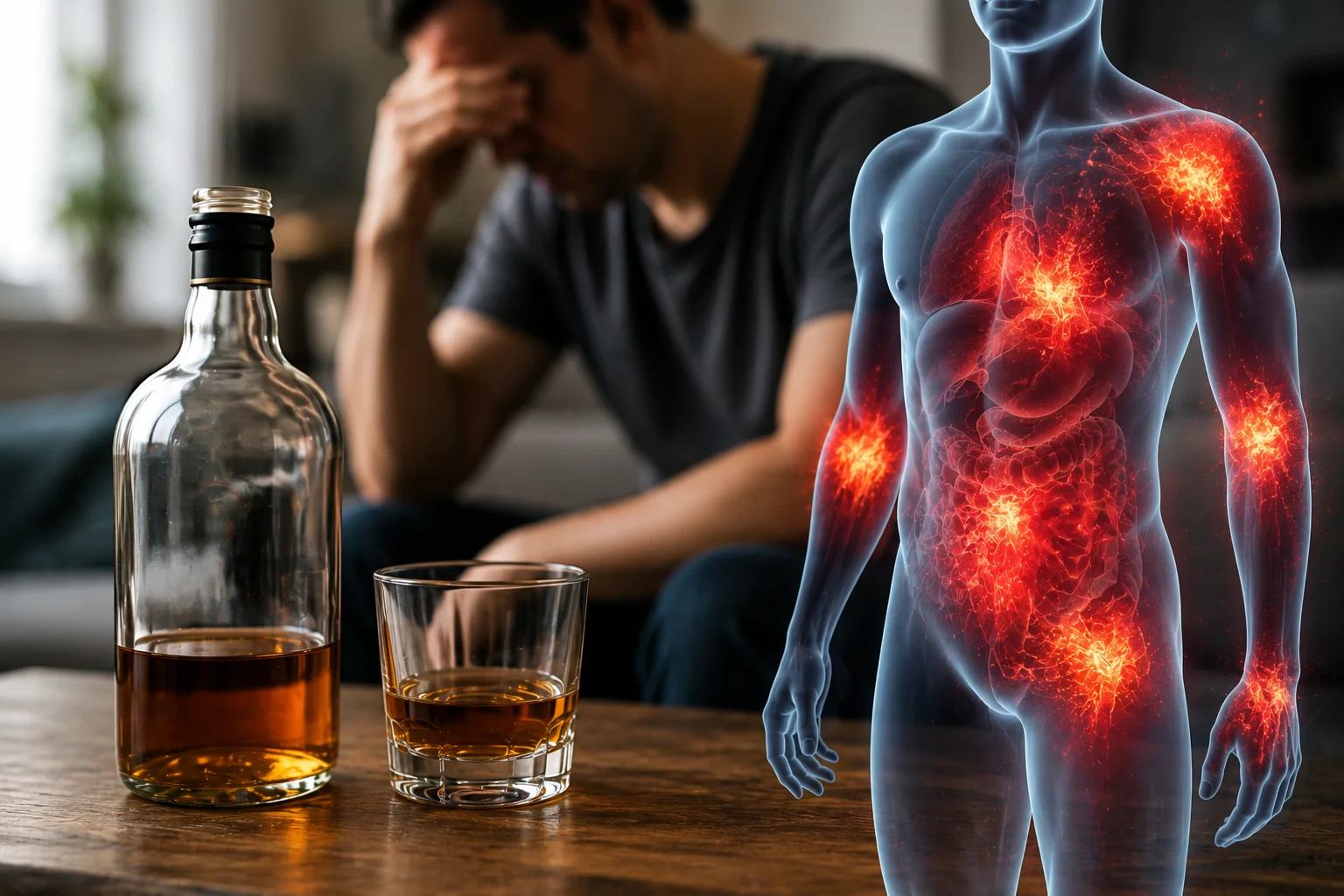
There are a lot of different withdrawal symptoms, from anxiety and sweating to severe nausea and tremors. The medical team knows what you’re going through and will provide you medicines and other treatments to make this procedure as safe and comfortable as possible. Don’t be afraid to say how you feel; being honest with your care team will help them do their jobs in a better way.
Treatment Programs Orientation
You’ll learn about the daily schedule and the different types of treatments and activities that will be available to you. Most rehab programs provide one-on-one therapy sessions where you work with a counselor. You will also do group therapy, which can be quite helpful as you will connect with and be around others who know exactly what you’re going through. The program also educates people about addiction, how to deal with it, and how to avoid relapse. Many rehab centers provide holistic therapy such as meditation, mindfulness, art, or fitness. You can also get family support sessions to fix and strengthen your relations.
Each part of the program is meant to help you learn new skills that will help you remain sober for the rest of your life. It is very important to build a sense of community. Group activities make you feel less isolated by reminding you that you are part of something bigger: a supportive circle of people who want you to succeed.
Dealing with Your Emotions Head-On
On your first day, it’s normal to experience a mix of emotions, such as relief for taking action, fear of the unknown, optimism and even doubt and uncertainty. It’s okay for these feelings to all come out at once. The first day is emotional, as it signifies a huge change in your life. Always remember that there are individuals who understand how you feel and are ready to help you through this process.
Sometimes, the strong feelings might be too much to handle. Staff members are trained to help you get through these times, either by using calming techniques like breathing exercises or simply being there to listen. Don’t forget that it’s okay to feel what you feel. It’s a part of the recovery process.
Your First Step Forward
No matter how small they seem, every step you take in treatment is progress. The first 24 hours are the start of a new chapter in your life. This is your chance to build a healthier and happier life. There will be hard times, but you will have a medical support team behind you, supporting you every step of the way. Recovery takes time, patience, and bravery. If you start having doubts or troubles, remember why you came.
Additional Tips for Your First Day:
- Try to get a good night’s sleep before you go. Rest will help your body and mind be ready for what’s coming.
- Pack a small bag with essentials and a few personal items that help you feel grounded, but check with the center beforehand to see what’s allowed.
- The best way to get the support you need is to be honest throughout therapy and assessments.
- Get in touch with your peers. Don’t be hesitant to reach out and share your experience. It can help you connect with others.
- Keep in mind that your recovery center is a place where you won’t be judged and can focus on your health.
Start Your Journey Towards Long-Term Recovery:
Going to a rehab center to start your rehabilitation is a brave choice. This is the start of a new chapter in your life. You are not defined by your addiction but by your ability to recover and develop, and you don’t have to go down this road by yourself. Our medical staff are ready to greet you with open arms and help you through every problem you face on your recovery journey.
Frequently Asked Questions (FAQs)
Will I be alone on my first day of rehab?
No. The staff is there to help you 24/7, and you’ll quickly meet other individuals who are going through the same thing. You will get help with withdrawal symptoms and emotional support as soon as you arrive.
What if I’m scared or unsure about going to rehab?
It’s totally acceptable to feel worried or uncertain. Rehab staff are very well trained to help you deal with these feelings.
How long will my first day be?
Your first day might feel long because of assessments, meetings, and orientation, but rehab centers plan it in a way that you stay engaged while still getting enough rest.
Do I have to share a room?
It depends on the rehab center and your treatment program. Some individuals have their own rooms, while others have to share. Staff members do their best to make living situations as comfortable as possible.
What kinds of therapies will be available at the start of my treatment?
Individual and group therapy sessions and educational workshops usually start immediately. Depending on your treatment plan, you may be able to start using holistic treatments and family sessions later in your program.
