



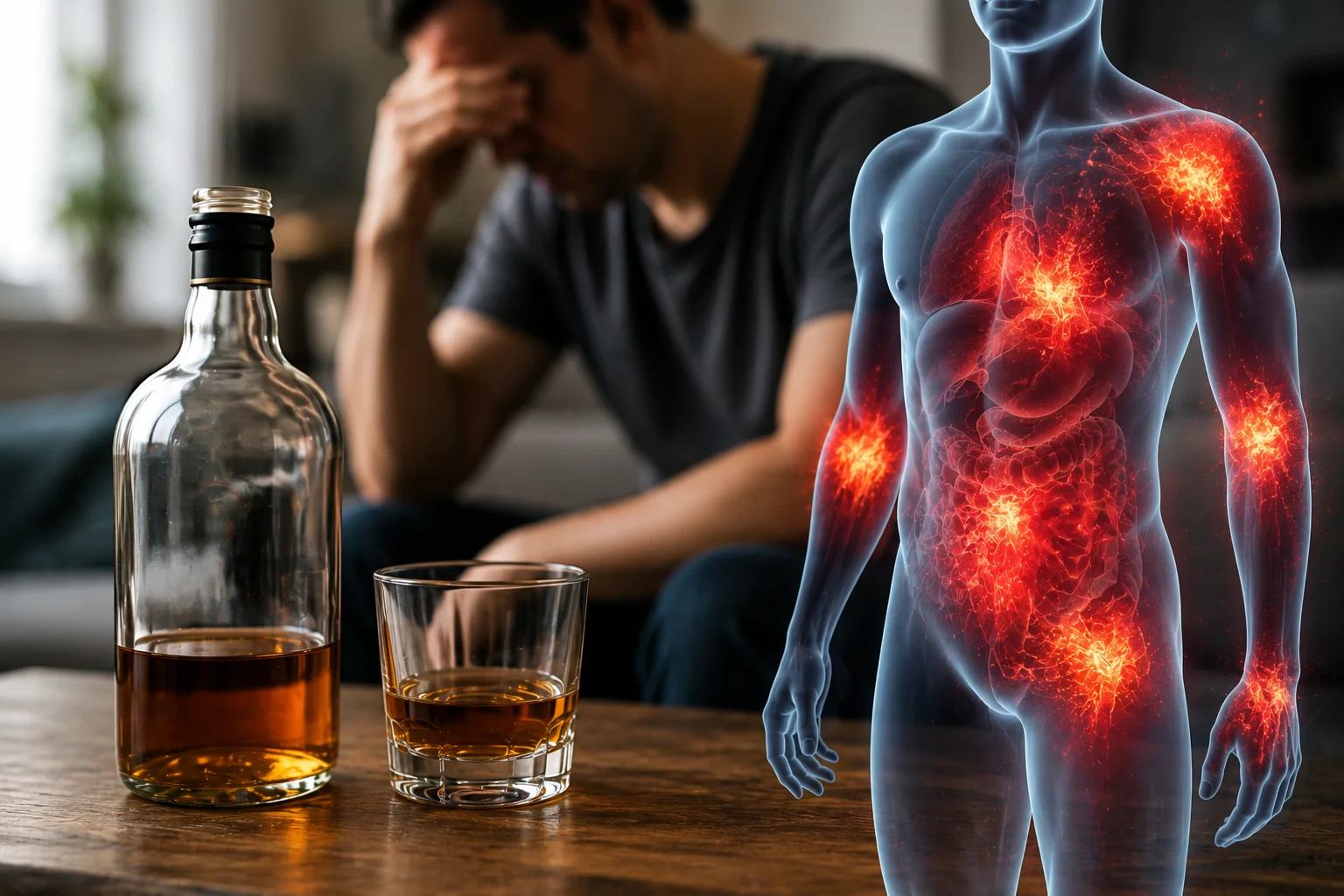



Psilocybin mushrooms or shrooms are not addictive. These magic mushrooms are usually considered therapeutic. Shrooms are not harmless, even if they are not addictive like cocaine, opioids, or alcohol. It is important to remember that psilocybin does not cause physical dependence and addiction.
✨ Highlights:
- Shrooms aren’t physically addictive, with chances of psychological dependence.
- Psilocybin affects thought patterns, perception, and serotonin.
- Repeated use triggers panic attacks and anxiety.
- The real risk of shrooms is Hallucinogen Persisting Perception Disorder (HPPD).
What are Shrooms?
Are magic mushrooms addictive? No, magic mushrooms are not commonly considered physically addictive. But what are the mushrooms? These are fungi that include psilocybin, a natural psychedelic compound. The psilocybin is converted into psilocin after ingestion, which affects the serotonin receptors, like the 5-HT2A receptor in the brain.
This interaction between the psilocin and receptor changes:
- Mood
- Thought patterns
- Perception
- Sense of reality
Individuals use shrooms experimentally, spiritually, and recreationally for mental health benefits, like reduced anxiety or depression. However, these uses do not occur in regulated medical settings. You must not neglect the anxiety-addiction connection because anxiety can lead you to drug addiction if you do not receive timely treatment.
Are Mushrooms Addictive Physically?
No, mushrooms are not physically addictive for individuals. The use of shrooms does not lead to physical dependence or withdrawal. A rapid tolerance reduces the effects while making frequent use difficult for individuals.
No Physical Dependence
Psilocybin is not medically considered physically addictive. It does not lead to physical craving and withdrawal symptoms. Moreover, mushrooms do not activate the reward system of the brain like addictive drugs.
It’s a fact that substances like alcohol and heroin lead to physical dependence by impacting the reward system of the brain. However, the shrooms work uniquely in the brain.
Reduced Repeated Use Due to Quick Tolerance
The rapid tolerance is another reason for the non-addictive shrooms. Using shrooms for many days can minimize the effects. There is also a temporarily limited response from the brain to psilocybin.
Increasing the dose of the psilocybin does not improve the individual’s experience. That’s why binge-style use of mushrooms becomes difficult compared to different drugs like methamphetamine or cocaine.
Are Psychedelic Mushrooms Addictive Psychologically?
Yes, the psychological dependence on the shrooms is possible for individuals. People can develop psychological dependence because they keep using magic mushrooms to cope with different conditions of depression.
Psychological Dependence
Psychological dependence is possible even though physical dependence does not occur. Some individuals start shroom consumption and marijuana addiction to avoid reality and escape from emotional pain. They also consume the mushrooms to feel spiritual while coping with anxiety, depression, or trauma.
It is a psychological dependence, even if it is labeled as non-addictive. Individuals find it difficult to cope with the anxious conditions without using the substance.

Warning Signs of Psychological Dependence
Psychological dependence is manageable, but it can still affect the daily life of individuals. That’s why it is important to explore and understand the different warning signs of psychological addiction.
- Feel a need to use the shrooms regularly
- Use mushrooms to cope with stress or emotions
- Want to experience a breakthrough
- Believe that psychedelics are part of life
Why are Shrooms Popular as Non-Addictive?
Shrooms are known as a non-addictive or safe substance because of no physical dependence. However, mushrooms are not risk-free even if they are non-addictive. This “non-addictive” label does not mean that individuals underestimate the effects.
Shrooms are safe because they don’t lead to physical dependence and are not chemically habit-forming. They also rarely result in overdose due to no compulsive daily use.
Struggling with Emotional Reliance on Psychedelics?
Early intervention can protect you from the long-term side effects. Reach out to the House of Zen for the structured support.
What are the Mental Health Risks of Shroom Use?
Can you get addicted to magic mushrooms? No, you cannot get addicted to mushrooms because of a low addiction risk. It is important to consider the effects of addiction on family and personal relationships. Therefore, shrooms are not addictive like other substances.
You can experience mental health problems upon using the mushrooms. Generally, mushroom consumption offers a good experience, but the following are the mental health risks:
- Severe anxiety
- Loss of control
- Paranoia
- Panic attacks
Dangers of Psychosis
Shrooms can easily trigger mental health disorders in individuals. It’s a fact that a single psychedelic experience can result in psychotic risks. Shroom use usually affects people with:
- Schizophrenia
- Bipolar disorder
- Anxiety disorder
- Family history of psychosis
Shroom Use and Hallucinogen Persisting Perception Disorder (HPPD)
One of the prominent dangers of using mushrooms is HPPD. Hallucinogen Persisting Perception Disorder is a condition in which individuals experience visual disturbance even after they have stopped using the drug. The symptoms of the disorder can persist for months to years, depending on the usage.
The symptoms of HPPD are:
- Distorted shapes
- Visual trails
- Visual snow
- Light flashes
- Sensitivity to light
Can One Use Cause HPPD?
Yes, Hallucinogen Persisting Perception Disorder can occur just after a single use. However, individuals usually overlook it due to the non-addictive nature of the shrooms. People who take high doses or use mushrooms repeatedly usually experience the HPPD.
What is the Legal Status of Shrooms?
Shrooms are illegal substances according to the federal laws. Psilocybin is known as a Schedule I substance in the United States of America. The possession, distribution, or sale of mushrooms is illegal. There is variation in the legality of shrooms, even if limited approval for therapeutic use.
💡 Did You Know
Some individuals experience the Hallucinogen Persisting Perception Disorder (HPPD) just after a single use of shrooms.
Are Shrooms Safer Than Different Substances?
Can you get addicted to mushrooms? No, you cannot get addicted to mushrooms physically. However, you can face the challenge of psychological dependence. There is a lower addiction risk, but shrooms are not risk-free.
Magic mushrooms have a lower addiction potential and overdose dangers as compared to drugs like opioids and alcohol. They also have the least effect on the physical organs. However, shrooms consist of neurological, emotional, and psychological risks.
The safety of using shrooms depends on:
- Dosage
- Environment
- Mental health history
- Frequency of use
What is the Connection Between Self-Medication and Shrooms?
Can you be addicted to shrooms? You cannot be addicted to mushrooms physically, but possibly psychologically. There are higher risks of self-medication, like PTSD, without medical supervision.
Most people use mushrooms to self-treat:
- Addiction
- Anxiety
- Depression
- PTSD
Individuals can make the symptoms worse instead of recovering in the absence of integration support, dosage control, or proper screening.
Can Shrooms Lead to Drug Addiction?
No, shrooms cannot lead to drug addiction because they are non-addictive. However, they can normalize substance use, encourage experimentation, and lower the dangers of different drugs. Mushrooms can boost the risk of relapse during drug use recovery.
Are Shrooms Effective in Drug Addiction Treatment?
Can you overdose on magic mushrooms? Yes, you overdose on magic mushrooms in rare cases because they are physically non-addictive. It is suggested that psilocybin reduces nicotine addiction, Alcohol Use Disorder (AUD), and treatment-resistant depression.
The individuals were monitored and screened within the controlled clinical settings in the studies. Moreover, the recreational use of mushrooms is not equal to the medical treatment for drug addiction.
What are the Long-Term Effects of Using Shrooms?
Can you die of shrooms? No, you can’t die of shrooms because they are a physically non-addictive substance. But there are different long-term effects of mushroom use. Let’s take a close look at the positive and negative effects:
Positive Effects
The positive changes due to mushroom use are:
- Spiritual insights
- Improved emotional awareness
- Enhanced openness
Negative Effects
The potential negative effects of using mushrooms are:
- Cognitive confusion
- Mood instability
- Persistent anxiety
- Derealization
- Emotional dependence
Who Should Avoid Mushroom Use?
Mushrooms are non-addictive and carry less dangers. However, mixing shrooms with different drugs increases the risks for individuals. Therefore, magic mushrooms are risky for individuals who:
- Are under 25
- Experience extreme anxiety
- Are in drug addiction recovery
- Have a mental health disorders history
- Use psychiatric medications or antidepressants
Want to Prevent Yourself from the Negative Effects of Psilocybin Mushrooms? Get an Appointment Now from House of Zen
Seek Help from House of Zen for Substance-Related Problems of Shrooms
Are shrooms addictive? Shrooms are not addictive, but they can still affect mental health and interfere with responsibilities. The consistent use can also trigger anxiety or distress among individuals. That’s why you need to get professional help from House of Zen LA to prevent substance-related problems. Let’s schedule your appointment for the initial assessment today!
Answers to Commonly Asked Questions About the Addictive Nature of Shrooms
How Addictive are Shrooms?
Shrooms are not physically addictive for individuals because of a lower risk of addiction compared to other substances.
Can You Get Addicted to Shrooms?
No, you cannot get addicted to shrooms physically because of their low-addictive nature, even though they have potential for psychological dependence.
Can You Overdose on Shrooms?
Yes, you can overdose on shrooms, but a fatal overdose from the psilocybin mushroom is very rare for people.
Do shrooms make you emotional?
Yes, shrooms make you emotional because they can affect thought patterns and intensify existing feelings.
What do shrooms do to your brain?
Shrooms activate serotonin 5-HT2A receptors in the brain that disrupt the communication within the Default Mode Network (DMN).
What are the Long-Term Side Effects of Mushrooms?
The long-term side effects of mushrooms are persistent visual disturbances, Hallucinogen Persisting Perception Disorder (HPPD), and potential psychological problems.
