

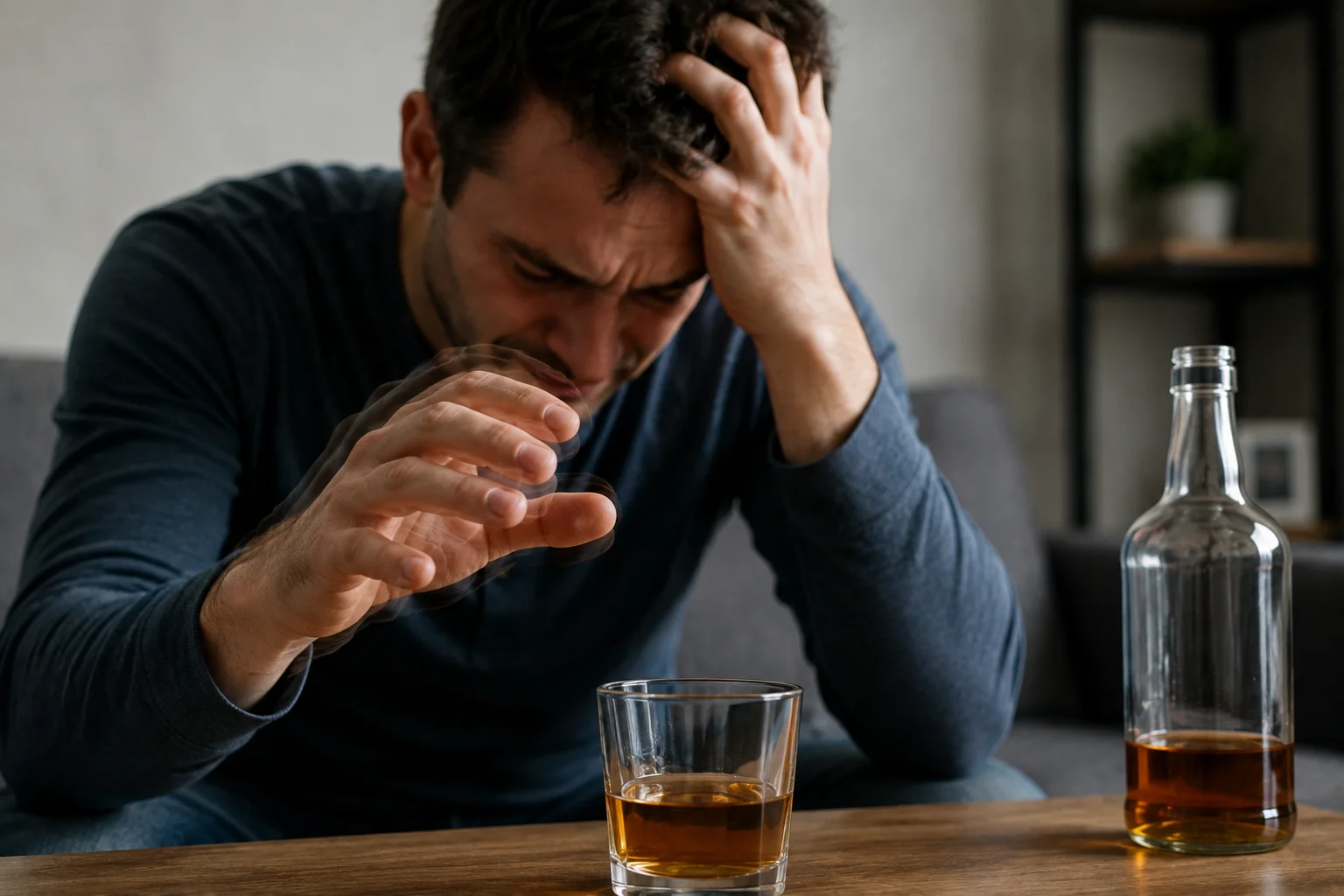



In this modern and fast-moving lifestyle, millions of Americans cope with an anxious situation with substance use and addiction. House of Zen Rehab stands as one of the best drug and alcohol rehab centers that work on a vision regarding complete treatment, knowing very well that these issues mostly coexist. When a mental health disorder like anxiety gets interwoven with an issue such as substance use disorder, the result is what appears to be an inextricable tangle impacting every aspect of life.
This article goes in-depth into the issue of dual diagnosis, with much attention diverted to anxiety, enlightening the reader on its interrelations, causes, symptoms, treatment, and recovery processes. Whether you are researching this for personal reasons or for the benefit of someone else, our aim is to arm you with very research-based resources to make the right decision.
What Is Dual Diagnosis?
Dual diagnosis or co-occurring disorders is the concurrence of a mental health condition with a substance use disorder. It’s no coincidence; the two often feed into each other, which means that recovery can be that much more challenging if they’re not addressed together.
The Substance Abuse and Mental Health Services Administration (SAMHSA) reports that approximately 21.5 million adults in America have co-occurring disorders. Analogue comorbid mental health issues in dual diagnosis are depression, bipolar disorder, PTSD, and anxiety disorders.
Anxiety disorders rank among some of the most common mental health conditions, with approximately 31% of American adults experiencing the illness at some point in their lives. When a person has both a substance abuse problem and anxiety, the two problems make the symptoms worse, increase the chance of relapse, hospitalization, and may cause suicide. At House of Zen Rehab, we offer specialized treatment for these co-occurring disorders through comprehensive care that leaves no stone unturned.
The Link Between Anxiety and Substance Abuse
The relationship between anxiety and substance abuse is deep and goes both ways. An immense number of people use drugs or alcohol in a rather self-medicative approach to relieve unbearable anxiety. For example, alcohol could relieve social anxiety for a limited period, or benzodiazepines, and opioids may numb generalized worry. This doesn’t last and mainly becomes a dependency.
When panic was assessed in a group of substance users, 97% were found to have anxiety. Of these, 80% fell in either high or moderate panic levels and helped to justify the reason why dual diagnosis is so common; one in five American adults has a mental health condition each year, which mostly overlaps with addiction.
Common Types of Anxiety Disorders in Dual Diagnosis
All anxiety isn’t alike; certain kinds may be indicative of the kind and effective treatment. Here are the main anxiety disorders often leading to substance abuse:
- Generalized Anxiety Disorder (GAD): Constant worrying about work, health, or financial problems that turn into much more generalized types of issues. Those with GAD may be using substances to ‘silence’ their racing thoughts and minds, but this only brings on tolerance and heightened use.
- Panic disorder: Severe anxiety attacks, sudden enough to include pounding heart, sweating, trembling or shaking, shortness of breath, sensation of choking, chest pain, nausea, dizziness, lightheadedness, numbness or tingling, chills or hot flashes. May only take substances that prevent an attack from occurring, but withdrawal can cause them.
- Social Anxiety Disorder (SAD): Intense fear of social situations and scrutiny from others, leading to avoidance and isolation. Uses alcohol regularly in such times, leading to problems and hence even develops alcoholism.
- Agoraphobia: It is defined by intense anxiety felt in places or situations where escape may be difficult or where help may be unavailable, usually as a result of some previous traumatic experience. This can co-occur with opioid or sedative abuse for their calming effects.
- Post-traumatic stress disorder: Not strictly an anxiety disorder, but it involves severe anxiety symptoms such as flashbacks and hypervigilance, often leading to self-medication with drugs or alcohol.
Signs and Symptoms of Dual Diagnosis with Anxiety
Identifying dual diagnosis at the earliest possible stage is very important because the symptoms may exist concurrently and so might be mistaken for one another. However, the major indications to look out for are as follows:
Generalized anxiety is characterized by excessive worrying, restlessness, and irritability; disturbance in sleep; having tensed muscles; and avoidance behaviors.
Substance dependence is characterized by increased tolerance and shaking/nausea when not using the substance, failing continually to cut down consumption despite repeated efforts to do so, as well as neglect of important social roles and engagement in risky behaviors.
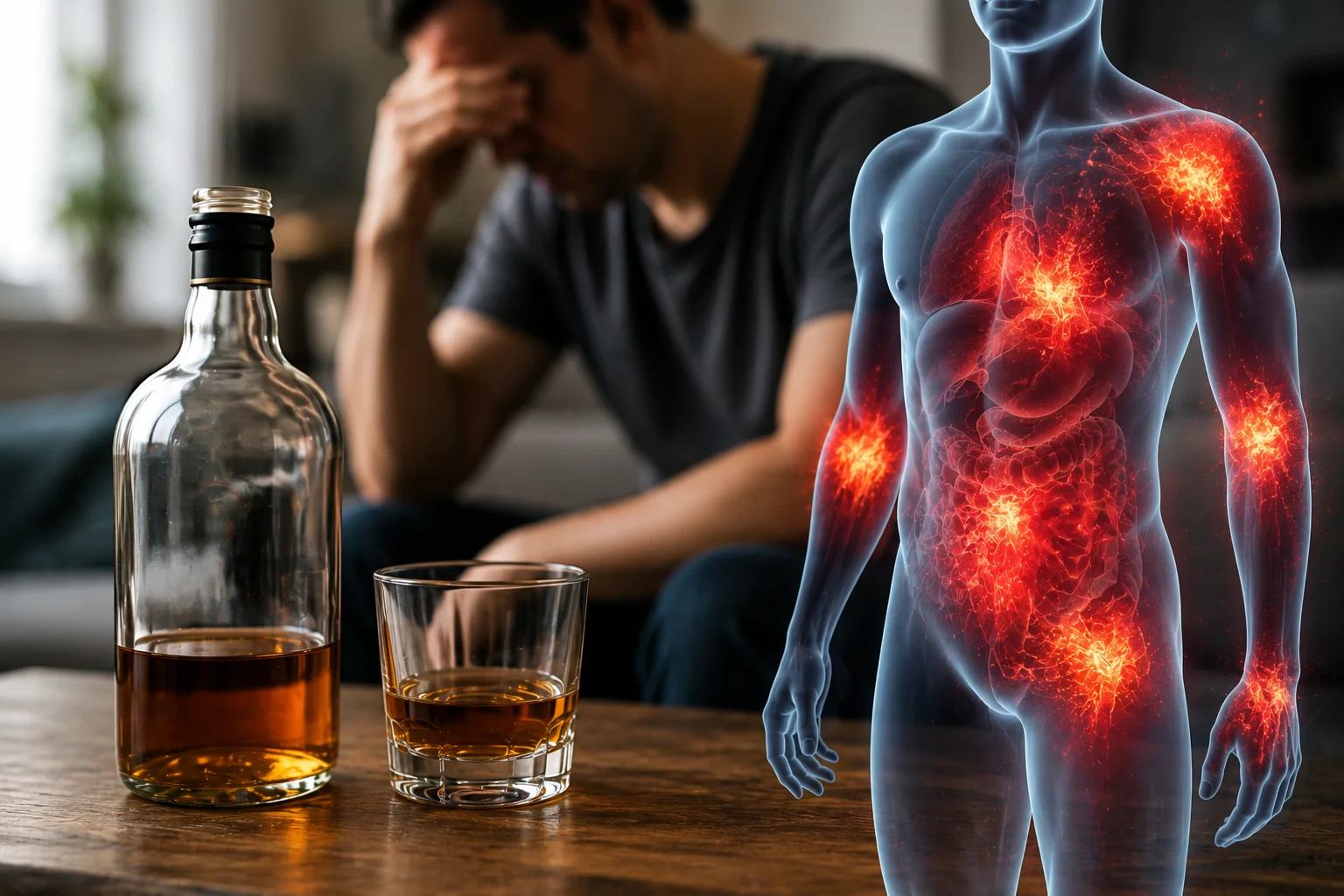
Paranoia, depression, withdrawal from society, bankruptcy, and even blood pressure or liver damage due to health problems.
Causes and Risk Factors
Dual diagnosis doesn’t happen in a vacuum. Shared risk factors include:
- Genetic Predisposition
- Environmental Stressors
- Brain Chemistry
- Self-Medication
Early life experiences, including childhood trauma, further enhance the risks, indicating the necessity of holistic prevention.
The Vicious Cycle: How Anxiety and Substance Abuse Feed Each Other
Substance use may present provisional ‘assistance’ by stifling the brain’s response to fear, but it then drains associated natural resources over time. Withdrawal will therefore magnify the anxiety before forcing more use.
If untreated, the most common psychiatric pathology, anxiety and depression, prominently hinders everyday activity and the potential for recovery. Making worse conditions, acute and chronic substance abuse augmented the probability of relapse and re-hospitalization due to co-occurring disorders. These have consequently imposed a huge burden not only on my family but also on various health care systems and the American economy in general.
The Broader Impact on Individuals and Society
Individually, dual diagnosis causes a person to lose his or her job, relationships, get into legal wrangles, and suffer from chronic health problems. An untreated dual diagnosis is very costly in terms of the provision of medical care and lost productivity, running into billions as far as society’s resources are concerned. However, effective treatment will lessen these impacts and promote healthier practices.
Treatment Approaches at House of Zen Rehab
This approach is an integrated treatment where both conditions can be addressed concurrently. At The House of Zen Rehab, we provide:
Directed medical detoxification – Withdrawal would be closely managed under a medical detox program, which can decrease those spikes of apprehension.
Counseling Techniques:
- Cognitive Behavioral Therapy (CBT): Helps reframe negative thinking.
- Dialectical Behavior Therapy (DBT): Enhances skills for emotional regulation.
- Eye Movement Desensitization and Reprocessing (EMDR): Good for anxiety linked to past traumas.
- Medication Management: Antidepressants or antianxiety modalities without getting addicted but not addictive.
- Alternative Modalities: The practice of mindfulness, yoga, meditation, and ‘being at the moment’ therapeutic programs may be useful in fostering inner tranquility.
- Self-Help Groups: Groups run by and for the members who attend regarding shared experiences.
- Continuing Care: Services that are aimed at preventing a patient from relapsing
Conclusion: Take the First Step Toward Recovery
Dual diagnosis with anxiety and substance abuse may be challenging to treat, but it is not untreatable. Here at House of Zen Rehab, we are committed to helping you through integrated, compassionate care. If you or a loved one is struggling, contact us today for a confidential assessment. Because recovery starts with one step. Find your Zen.
Frequently Asked Questions (FAQs)
What is the success rate for dual diagnosis treatment?
Integrated programs show up to 60-70% improvement in symptoms with proper adherence.
Can anxiety cause addiction?
Yes, through self-medication, but it’s often bidirectional.
How long does treatment take?
Varies, but typically 30-90 days inpatient, followed by outpatient support.
Is medication safe in dual diagnosis?
Yes, when managed by experts to prevent misuse.
What if anxiety persists after sobriety?
Ongoing therapy addresses this; it’s common and treatable.
