

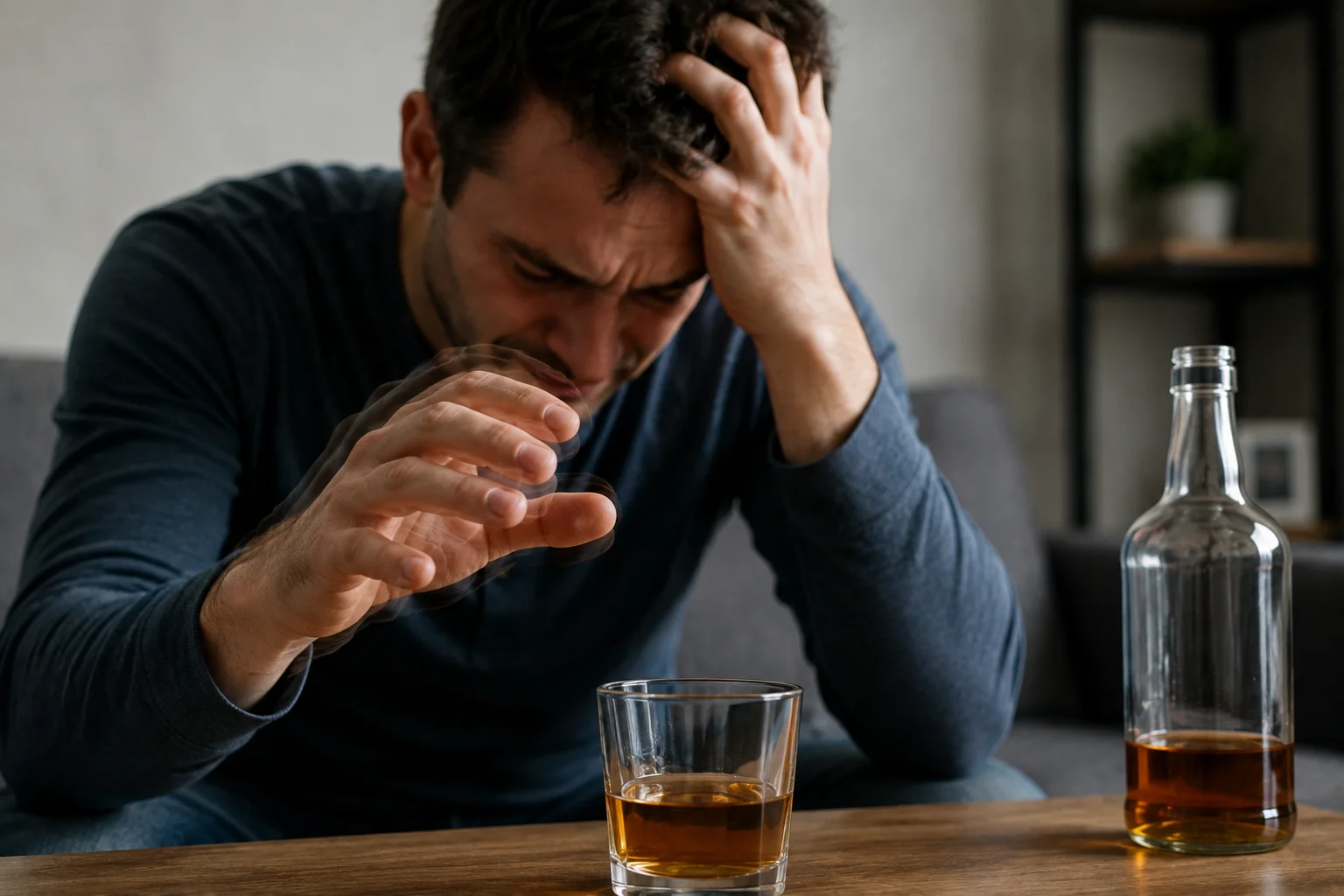

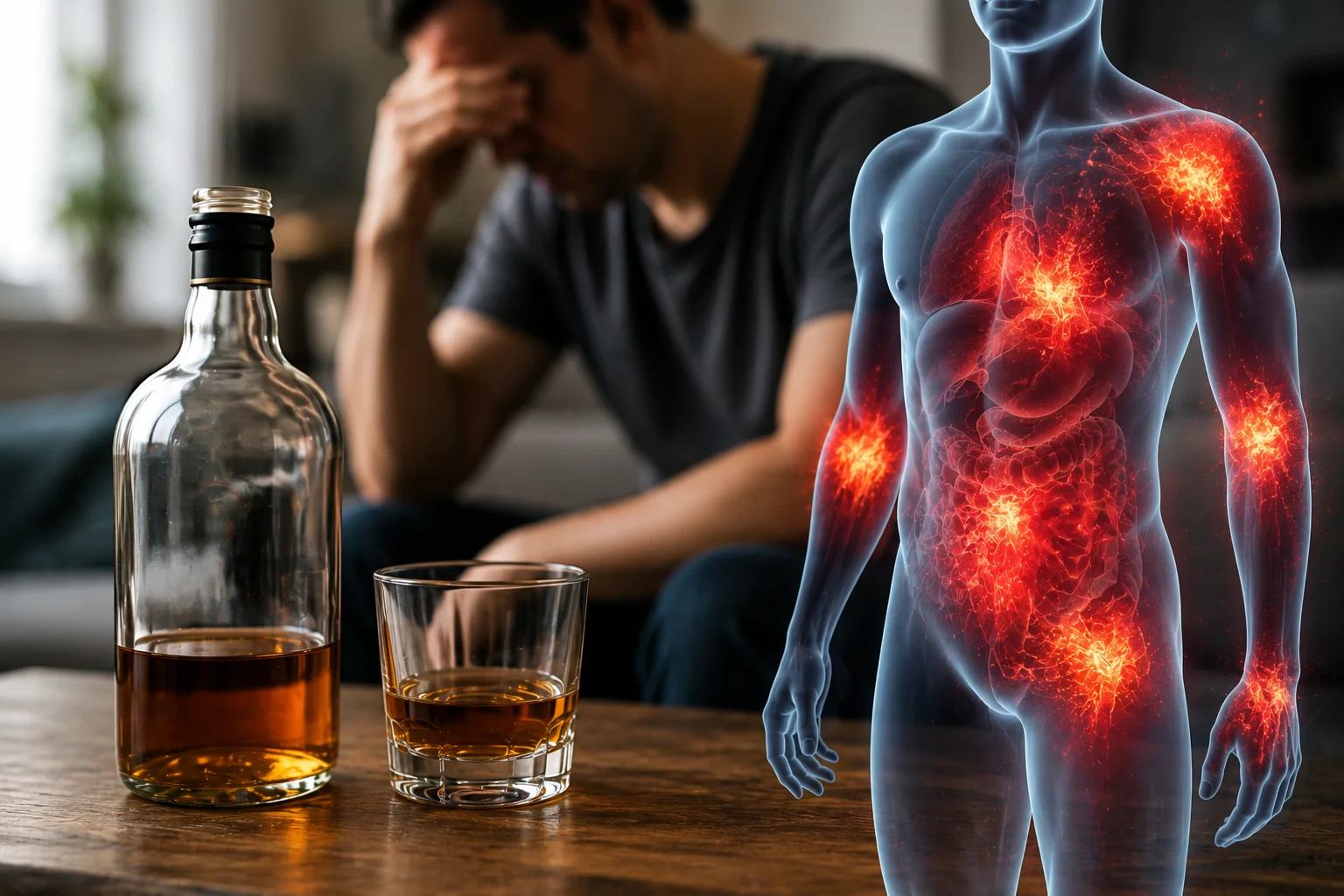


Excessive alcohol consumption can also cause physical symptoms such as shaking and tremors. These shakes indicate that a person has been consuming alcohol and is now showing withdrawal symptoms. When someone consumes alcohol, their hands may start to shake, and even the arms, legs, and voice can become involved.
If you are struggling with alcohol addiction and want to get rid of alcohol shakes, do not worry. Our Luxury Rehab offers alcohol addiction treatment using different evidence-based therapies and coping skills. Getting the right support and early intervention can help you overcome these shakes and adopt a healthier or alcohol-free life.
What Are Alcohol Shakes And Tremors?
Alcohol shakes, or tremors are involuntary shaking that can be caused by the nervous system’s response to alcohol intake and lack of alcohol consumption. In people with alcohol dependence or alcohol use disorder, alcohol shakes are a common symptom of alcohol withdrawal syndrome. Heavy drinkers who suddenly stop drinking alcohol may face more severe alcohol withdrawal.
Every year, more than one and a half million people in the United States seek alcoholism treatment or are admitted to hospitals to overcome alcohol dependence. An estimated 76.3 million people worldwide are affected by alcohol use disorder, and 1.8 million people die each year due to alcohol-related causes. About 8% of people are hospitalized due to alcohol withdrawal syndrome. Epileptic seizures or delirium tremens may occur in as many as 15% of patients with alcohol use disorder.
Hidden Signs of Alcohol Use Disorder You Shouldn’t Ignore
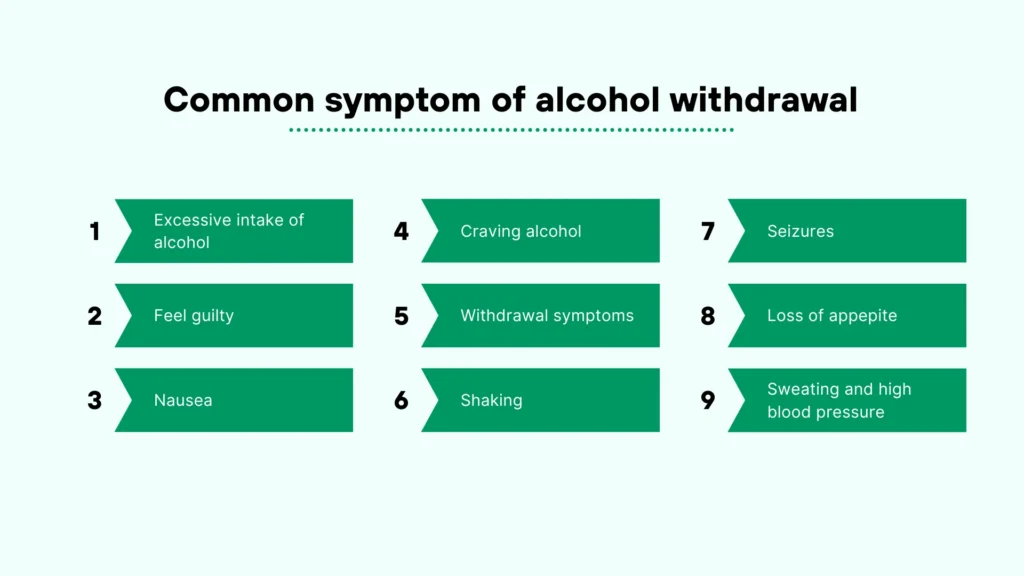
Alcohol use disorder does not always look like obvious drunkenness or major life problems. Many people continue to work, manage finances, and maintain relationships while still struggling with unhealthy drinking patterns. Here are a few signs of alcohol use disorder, which are given below:
- Regularly drinking more alcohol than you mean to
- Difficulty stopping or reducing the amount you drink, even if you want to
- Feeling guilty or remorseful after drinking
- People you know being concerned about your drinking.
- Continuing to drink even when it’s causing problems for your health, work or relationships
- Craving alcohol
- Needing increasing amounts of alcohol to get the same effect
- Getting withdrawal symptoms when you stop or reduce drinking
Why Do Alcohol Shakes Happen?
Alcohol affects the central nervous system and the body’s stress system. Here are a few points explaining why alcohol shakes happen.
Neurotransmitter Rebound
When alcohol is consumed, it suppresses the brain’s calming GABA system and increases the activity of glutamate over time. When you suddenly stop consuming alcohol, the nervous system becomes overactive, which can cause withdrawal tremors, anxiety, sweating, and other withdrawal symptoms. If you want to help someone with alcohol use, you may find this blog helpful: “How to Help an Alcoholic Without Pushing Them Away”.
Dehydration and Poor Sleep
Dehydration and poor sleep can worsen tremors and other withdrawal symptoms by stressing the nervous system.
Anxiety and Stress
People who drink alcohol but are trying to stop may feel anxious. Anxiety can cause shakiness and may make tremors worse.
Withdrawal Symptoms
When a person consumes excessive alcohol or suddenly reduces their intake, they may experience withdrawal symptoms.
Low Blood Sugar
Alcohol can lower blood sugar after heavy drinking or skipping meals. Sometimes, low blood sugar can cause an increased heart rate and body shaking. Keeping blood sugar stable can reduce involuntary shaking.
Nervous System Changes
Alcohol can damage certain parts of the nervous system. This damage can lead to tremors and other physical symptoms.
Alcohol Shakes And Delirium Tremens: What Sets Them Apart?
Alcohol shakes and delirium tremens both have the same symptom of alcohol withdrawal, but there is a difference in severity and potential risks. Alcohol shakes usually begin 5 to 12 hours after the last drink, and delirium tremens begins 48 to 72 hours after the last drink.
Delirium tremens is a severe form of alcohol withdrawal syndrome. Almost half of the people with alcohol use disorder develop withdrawal syndrome. Delirium tremens can become life-threatening if it is not promptly recognized and treated. It typically occurs in individuals with a history of chronic, heavy alcohol consumption who suddenly reduce or stop their alcohol intake.
Alcohol Withdrawal Tremors Timeline: How Long Do Alcohol Shakes Last?
- Alcohol shakes usually begin within 6 to 24 hours after the last drink.
- Tremors often reach their peak intensity between 24 and 72 hours after stopping alcohol.
- For most people, visible shaking improves substantially within 3 to 7 days.
- Mild tremors can sometimes linger for weeks or even months in long-term heavy drinkers.
- The exact timeline depends on how much and how long a person has been drinking, overall health, and whether they receive medical support.
- If shaking is accompanied by confusion, fever, seizures, or severe agitation, immediate medical attention is necessary.
If you’re also wondering how long alcohol stays in your system, read our guide on how long alcohol can be detected in urine.
Ready To Stop The Shakes For Good?
Our luxury rehab offers medically supervised detox and personalized therapy to calm tremors and support lasting recovery.
How To Stop Shakes From Alcohol?
The form of alcohol-induced shaking is called cerebellar tremor. It is a slow process in which action tremor is caused by damage or disease in the cerebellum. Cerebellar tremor makes it difficult for a person to perform any kind of movement. When a person consumes alcohol, cerebellar tremor may prevent them from completing their movements because their hands shake badly. Here are a few medications that are necessary to stop alcohol shakes and help normalize the function of the central nervous system.
Adrenergics (Antihypertensives)
Adrenergic medications are beta-blockers that can help to reduce the physical symptoms of alcohol withdrawal, including rapid heart rate, high blood pressure, and tremors. These drugs do not prevent seizures or delirium tremens on their own. That’s why benzodiazepines are used to stop seizures or shaking. Benzodiazepines (BZDs) are the first-line treatment for status epilepticus worldwide due to their efficacy, tolerability and rapid onset of action.
Alpha-2 Adrenergic Agonists
Alpha-2 adrenergic agonists, such as clonidine and dexmedetomidine, can reduce sympathetic nervous system activity and help calm withdrawal symptoms like anxiety, sweating, and tremors. These medications are typically used as an add-on treatment to benzodiazepines, not as a standalone therapy. They can be especially useful in hospital or ICU settings for patients with severe autonomic hyperactivity.
Baclofen for Alcohol Shakes
Baclofen is a GABA B receptor agonist with an approved indication to control spasticity. Baclofen is a muscle relaxant that helps to reduce cravings and some withdrawal symptoms in people with alcohol use disorder. According to the American Journal of Medicine, baclofen reduces the symptoms of AWS. It is an alternative to benzodiazepines because both have non addictive properties.
Need Help Choosing The Right Treatment?
From detox to IOP, our team matches you with the safest program to stop shakes and prevent relapse.
Does Experiencing Alcohol Shakes Make You An Alcoholic?
Experiencing alcohol shakes does not automatically mean you are an alcoholic, but it is a strong warning sign of physical dependence on alcohol. Alcohol shakes are a common symptom of withdrawal and often occur when a heavy or long-term drinker suddenly reduces or stops drinking. If tremors happen frequently, severe or other withdrawal symptoms appear. It may indicate alcohol use disorder and the need for professional evaluation.
From Drinking To Sobriety: How To Prevent Alcohol Withdrawal
Do you want to get relief from alcohol? If you are drinking regularly or have severe alcohol addiction, don’t worry. Here are a few tips that you need to follow to get free from alcohol.
- Stay Hydrated and Avoid Caffeinated Drinks
Drinking plenty of water and non-caffeinated fluids can help reduce dehydration, which often worsens withdrawal symptoms. Caffeine can increase anxiety, restlessness, and sleep problems. It is better to choose water, herbal tea, or electrolyte drinks during early recovery.
- Eat Healthy and Nutritious Food
Eating balanced meals on a daily basis can help stabilize blood sugar and support your body during withdrawal. Include foods rich in vitamins, minerals, and protein, such as fruits, vegetables, whole grains, lean meats, and dairy. Avoid skipping meals, as low blood sugar can increase shakiness and cravings.
- Find a Supportive Community
Having supportive people around you can make recovery easier and reduce the risk of relapse. At House of Zen, you can join a support group or a professional counselling who understands your goals. A strong support system provides encouragement and accountability during difficult moments.
- Get Enough Sleep
Rest is important for healing and managing withdrawal symptoms like irritability and fatigue. Try to maintain a regular sleep schedule and a calm bedtime routine to avoid screens or stimulating activities before bed. If sleep problems continue, talk to a healthcare professional for guidance.
- Follow Stress Management Techniques
Stress can trigger cravings and make withdrawal symptoms feel worse. Practice relaxation methods such as deep breathing, meditation, gentle exercise, or spending time in nature. Keeping a daily routine and focusing on calming activities can help you stay grounded during recovery.
- Psychological Support
Professional counselling or therapy can help you understand the causes of your drinking and develop healthier coping skills. A mental health professional can also support you with anxiety, depression, or trauma that may be related to alcohol use. Psychological support is an important part of long-term recovery.
What Programs Do You Get To Treat Alcohol Shakes?
Detoxification (Detox)
Medically supervised withdrawal safely controls alcohol shakes and other withdrawal symptoms. A professional team of doctors and psychologists monitors your vital signs to give medications and manage complications. We also offer a detox program to treat alcohol addiction effectively.
Inpatient program
We offer an inpatient program where you stay during detox and early recovery. Our staff provides different therapies and structured daily routines. This treatment program is best for severe withdrawal and high risk of delirium tremens.
Intensive outpatient program (IOP)
Our Intensive Outpatient Program (IOP) delivers structured and evidence-based treatment for alcohol shakes while you live at home and keep your daily routine. A dedicated team of Luxury Rehab provides frequent therapy sessions and relapse-prevention skills. IOP offers the flexibility to balance work and school with high-quality support.
Aftercare program
Ongoing support after detox or inpatient treatment to prevent relapse. This can include regular counselling sessions or support groups with a doctor or addiction specialist. The aftercare program helps you maintain sobriety and manage triggers to adjust your treatment plan over time.
Find Professional Help For Alcohol Withdrawal At Luxury Rehab
Find professional help for alcohol withdrawal at a Luxury Rehab where medically supervised detox comes together in a peaceful setting. Our experienced team of physicians, nurses, and addiction specialists creates personalized treatment plans that combine evidence-based therapies and holistic approaches to support your recovery from alcohol shakes and withdrawal. Visit us or contact our team today to begin your journey to lasting sobriety.
Frequently Asked Questions (FAQs)
Is shaking a sign of addiction?
Shaking can be a sign of alcohol dependence or alcohol use disorder, especially when it occurs after stopping or reducing alcohol. Alcohol shakes are a common symptom of alcohol withdrawal and may indicate that the body has become physically dependent on alcohol.
Is it normal to have shaky hands after drinking?
Mild shakiness after heavy drinking can happen due to dehydration, low blood sugar, poor sleep, or anxiety. However, frequent or severe shaking is not considered normal and may signal alcohol withdrawal or a developing alcohol use disorder.
What causes the shakes when you drink alcohol?
Alcohol affects the central nervous system by increasing calming GABA activity and reducing stimulating glutamate activity. The brain adapts to regular drinking when alcohol levels drop, the nervous system becomes overactive and leads to tremors.
How to make shakiness go away?
Shakiness from alcohol withdrawal often improves within a few days with rest, hydration and avoiding caffeine. Medical detox can provide medications and monitoring to reduce withdrawal symptoms safely. Long-term recovery may include therapy, support groups and treatment for underlying mental health conditions.
Which drink should not be given to a person having tremors?
People with tremors should avoid alcoholic beverages, energy drinks, and highly caffeinated drinks, as these can worsen shaking. Sugary drinks may also cause blood sugar spikes and drops, which can increase tremors in some individuals.
Why do my tremors go away with alcohol?
Alcohol temporarily calms the overactive nervous system, which can reduce tremors in people with alcohol dependence. This “relief” happens because the brain has adapted to alcohol’s effects, and drinking briefly restores the chemical balance.
What vitamins help with alcohol tremors?
Thiamine (vitamin B1) is often recommended for people with heavy alcohol use to prevent or treat seizures and support nerve function. B-complex vitamins, magnesium, and folate may also help with nerve health and withdrawal symptoms.
