

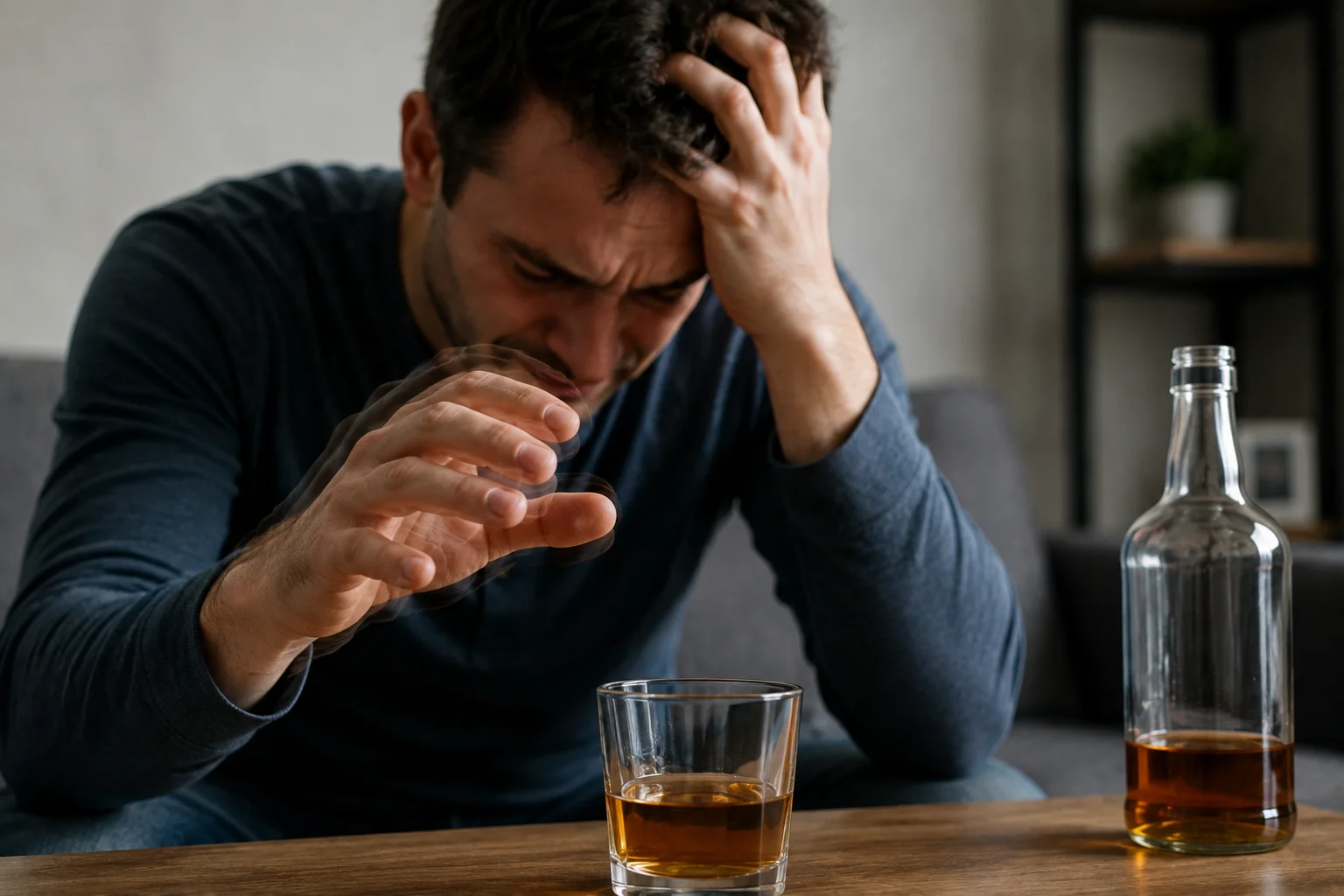

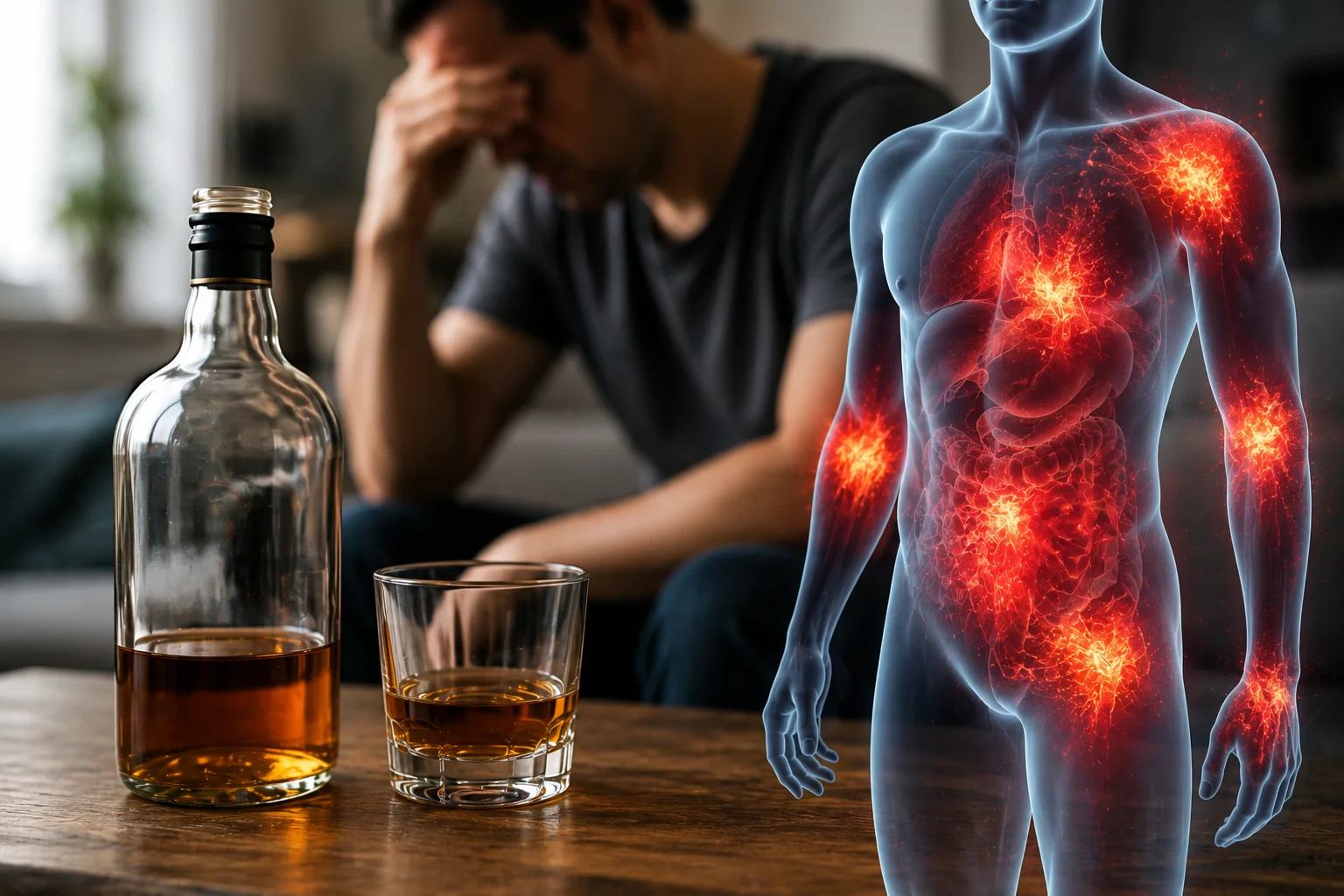



Ever felt as though you’re drowning in overwhelming feelings or struggling to get through the day without that drink or drug? So, have plenty of individuals whom House of Zen serves in addressing the mess of mental health challenges with substance use; now let us help you understand and overcome it. Typically, these two problems intertwine, making things feel impossible to deal with, but there is a way out with professional guidance under a trigger-free environment.
Why Do Mental Health and Substance Abuse Go Hand in Hand?
Mental health and substance abuse often exist as co-occurring disorders, one feeding into the other. This relationship between them is more commonly known as dual diagnosis. Here’s why they are so closely related:
- Seeking Relief Through Substances: The experience of struggling through anxiety, depression, or PTSD is just so unbearable for some that they turn to alcohol, cannabis, or other substances to help them cope. For instance, a glass of wine will calm your nerves in the short run. It may take some time only for you to become ‘addicted’ to taking the wine.
People may use drugs or alcohol and make the symptoms of mental health worse. NIDA (2023) states that intense marijuana usage may cause anxiety or psychosis, whereas alcohol worsens depression.
- Common Roots: Both disorders often come from common roots, including genetics, the environment, past trauma, or a history of stressful environments. For instance, SAMHSA says that 50 to 60 percent of those with substance abuse disorders have been addicted due to trauma and do not escape the mental health challenges that further trigger the condition.
- Brain Chemistry: Substances and mental health disorders are both said to affect the same brain pathways, like dopamine, serotonin, or others, thus creating that vicious cycle in which one problem feeds the other.
Spotting the Signs: What to Look For
How Do You Know If It’s a Co-Occurring Disorder?
Many times, it is difficult to distinguish between which features are because of mental illness and which are because of substance abuse because the two commonly intertwine. Here are some sure-warning signs to look for:
- Emotional Signs: A constant feeling of depression, anxiety, irritability, or mood swings severe enough to interfere with day-to-day life.
- Substance Use Withdrawal Symptoms: Requiring increased amounts to produce the desired effect or to intoxicate, having withdrawal symptoms such as shakiness or sweating, or losing control over their use.
- Behavioral Changes: Social withdrawal, impulsivity, or a decline in occupational or scholastic performance.
- Physical Symptoms: Fatigue, sleep or appetite changes, or even health issues such as stomach pain or headaches.
Getting a Clear Diagnosis
If these signs are evident in you or someone you care about, it is essential to have a professional evaluation performed. At House of Zen, our professionals will do the following:
- Your history, symptoms, and possible triggers.
- DSM-5 criteria and questionnaires or screening tools like the PHQ-9 for depression.
- Drug screenings or blood tests may confirm substance use and rule out other potential causes.
| Signs | Examples | Why It Matters |
| Emotional | Sadness, anxiety, mood swings | Indicates potential mental health issues |
| Substance-Related | Cravings, withdrawal, tolerance | Signals substance use disorder |
| Behavioral | Isolation, impulsivity | Affects relationships and responsibilities |
| Physical | Fatigue, sleep changes | Impacts overall health and recovery |
How These Issues Affect Your Life
When mental health problems mix with substance abuse, it tends to feel like every corner of your life is falling apart:
- Your Body: Chronic substance use can damage vital organs in your body, such as your liver (alcohol), your heart with stimulants, or compromise your immunity.
- Your Emotions: The guilt, shame, and hopelessness are very heavy and hard to work through.
- Your Relationships: Trust is lost, which results in conflicts or isolation from loved ones.
- Your Work and Finances: It causes instability due to absenteeism at work, legal issues such as ‘Driving under the Influence’ cases, mostly referred to as DUIs, and financial problems or all of these.
At House of Zen, we don’t only see the challenges but also your potential for growth and recovery.
How Substances Mess with Your Mind
Different substances can affect mental health in various ways, but generally add to an even worse situation.
Here’s a quick breakdown:
| Substance | Short-Term Effects | Long-Term Risks | Mental Health Impact |
| Alcohol | Relaxation, lowered inhibitions | Liver damage, dependency | Depression, anxiety, cognitive issues |
| Cannabis | Euphoria, altered senses | Psychosis risk, memory loss | Anxiety, paranoia, psychosis |
| Stimulants | Energy, alertness | Addiction, heart issues | Paranoia, anxiety, aggression |
| Hallucinogens | Hallucinations, altered perception | Flashbacks, psychosis | Anxiety, distress, worsened symptoms |
How to Break the Cycle of Mental Health and Addiction
Interruption of the cycle of co-occurring disorders includes an elaborate and individual-specific intervention process. Below are some of the actionable steps to help the victim recover; they have been customized to the particular needs of the struggling individual or your loved ones.
1. Seek Professional Help
- Dual Diagnosis Treatment: Seek specialized treatment programs for co-occurring disorders. These will be the merged programs of mental health care and addiction treatment, which address both issues at the same time. At House of Zen, we provide custom-tailored treatment plans supported through therapy, medical backing, and holistic practices.
- Therapy Options:
- Cognitive Behavioral Therapy (CBT): Helps a person identify and correct negative thought patterns that underlie both mental health problems and substance use.
- DBT: Primarily aimed at emotional regulation and coping skills, this turns out to be rather operationally effective for patients with borderline personality disorder or those with generally intense emotions.
- Trauma-Informed Therapy: Focuses on the underlying trauma that may be fueling issues of substance abuse or mental health.
- Medication Management: Medications for stabilizing mental health conditions, like antidepressants and antianxiety medications, while keeping an eye on substance use to avoid dependency. To be done by a psychiatrist.
2. Build a Support System
- Support Therapy: Participation in such groups as Alcoholics Anonymous (AA), Narcotics Anonymous (NA), or Dual Diagnosis Recovery Anonymous (DDRA) gives a feeling of membership. Such groups offer a mechanism of supporting each other and even monitoring one another.
- Family and Friends: Open lines of communication between families and friends bring about understanding and support. Family therapy helps in re-establishing the broken relations that are brought to the edge by drug abuse or psychological problems.
- Social Connection: Online forums and virtual support groups create a platform whereby people can keep in touch and interact; this is very effective for those who require secrecy.
3. Adopt Healthy Coping Mechanisms
- Mindfulness and meditation: Someone can regularly practice meditation, yoga, or deep breathing to reduce stress and improve the self-regulation of emotions related to managing cravings and symptoms of mental health.
- Exercise: Regular physical activity is known to enhance mood, reduce anxiety, and generally improve well-being.
- Nutrition: A balanced diet supports brain health and physical recovery. Caffeine or sugar spikes in nutrition can lead to mood swings, and it’s best to steer clear of that.
4. Create a Structured Routine
- Set Goals: Small goals set throughout the week or in the days to come, like attending therapy or staying sober for a week, help build confidence and momentum.
- Avoid Triggers: Discover ways of minimizing or staying away from situations, people, or environments that ignite substance use or mental health symptoms in a person. For instance, minimize exposure to stressful settings or certain social circles that may push an individual into substance use in times of stress.
- Time Management: Proper planning and scheduling of personal and work-related activities with a time frame can make a person’s life much organized.
5. Address Underlying Trauma
Trauma is common among individuals with co-occurring disorders. So our rehab facility group up with a trauma-informed therapist to process these experiences and lower their impact on mental health and substance use.
Techniques like EMDR or somatic experiencing can be quite effective, specifically in trauma recovery.
6. Explore Holistic Approaches
We at House of Zen use holistic care approaches, acupuncture, art and/or nature-based activities, which can also be employed along with the usual treatments to foster overall wellness. Expression of creativity through journaling can help individuals cope with and make sense of their lives.
Conclusion
The relationship between mental health and substance use is complicated but manageable with the right support and strategies. Breaking the cycle and reclaiming one’s life involves addressing the two problems in unison, building a strong support system, and encouraging the use of healthy coping mechanisms. We are here to lead you every step of the way at House of Zen.
If you’re ready to begin the journey to recovery, House of Zen welcomes the opportunity to build a brighter and healthier future with you.
Common Questions About Mental Health and Substance Abuse
Every common query of the user is answered below:
How do I know if I have a co-occurring disorder?
If you have mental health issues (e.g. chronic depression, anxiety or mood fluctuations) in conjunction with substances that impact your daily life, you should seek an expert evaluation from an expert in dual diagnosis. House of Zen offers assessments to determine your specific needs.
Can I recover from both issues at the same time?
Yes. Integrative treatment, such as that offered at House of Zen, addresses both addiction and mental health in a coordinated manner, resulting in better results than treating them separately.
What if I relapse?
Relapse is a normal aspect of recovery and is not a reason to be considered a failure. Make use of it as a chance to modify your strategy and reconnect with your support and keep moving forward.
Are medications safe for someone with a history of substance abuse?
If recommended and monitored by a psychiatrist, medication like antidepressants is secure and efficient in managing mental health, without putting yourself at risk of dependence.
How can I afford treatment?
The majority of programs, like House of Zen, offer sliding-scale charges, insurance coverage, and payment plan options. Contact us for customized treatment that fits your specific needs.
What role does family play in recovery?
The support of family members will significantly enhance recovery results. Therapy for families helps to build trust as well as improve communication and tackle common challenges.
