



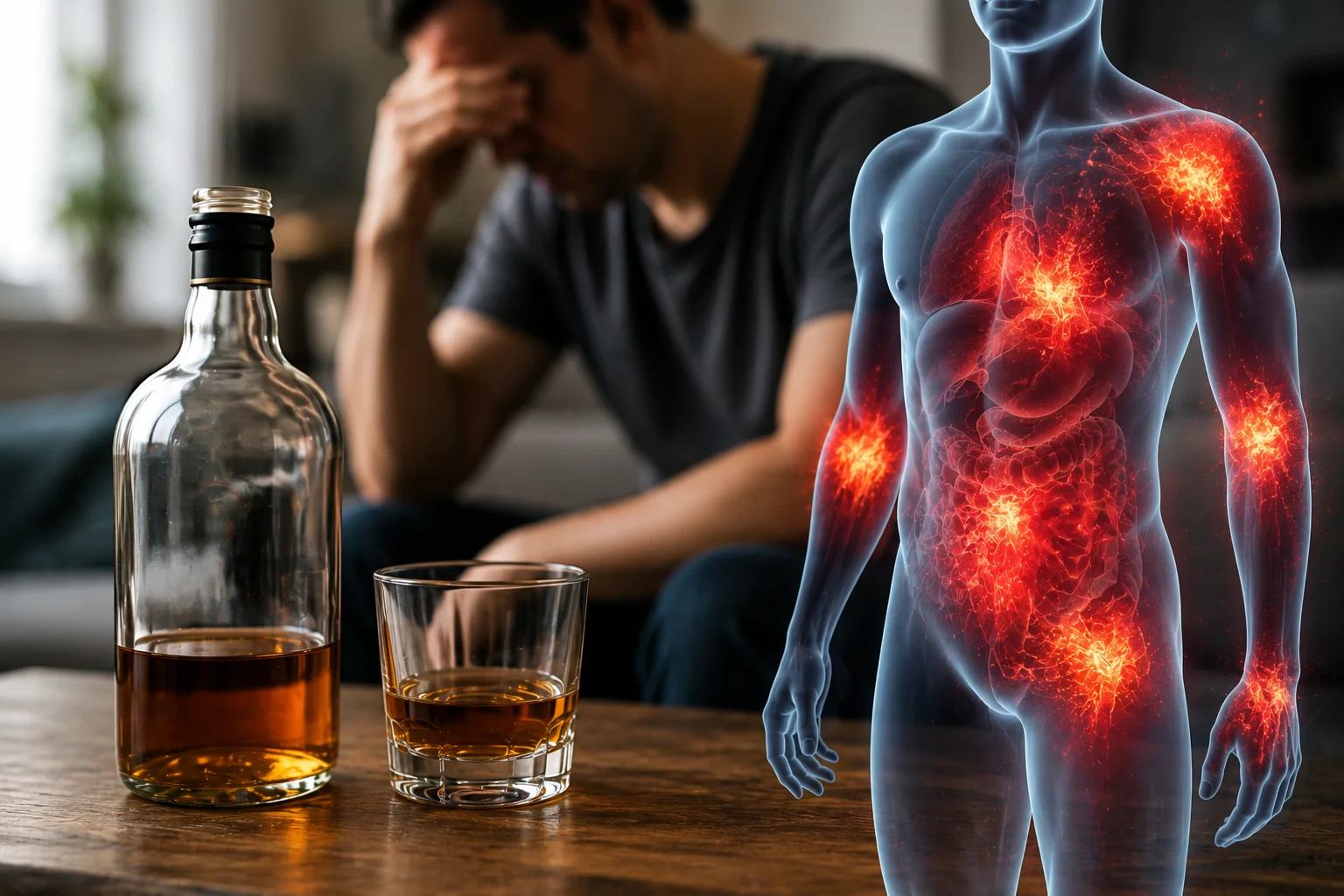



Addiction recovery is a difficult process which requires a lot more than just not using drugs. For long-term recovery, you need to restore your mind, body, and soul through therapy. Drug rehab centers these days commonly use a holistic approach to treatment by including evidence-based treatments like music therapy, art, yoga, breathwork, nutrition, and fitness in their programs. Unlike traditional therapies, these therapies not only help with withdrawal symptoms and cravings, but they also help with emotional balance, physical health, and mental clarity, which are all important for long-term recovery.
Art therapy has become an increasingly valuable tool for improving mental health and overall emotional well-being. By engaging with the creative process, individuals can experience meaningful creative expression, which leads to emotional restoration and self-discovery.
In this article, we will take a look at the science behind these therapies, various artistic mediums, their daily schedule and how they can be used together in rehab centers.
Creative Arts Therapy: Unlocking Inner Potential
At its core, creative arts therapy uses different techniques to encourage artistic expression, tapping into the inner world of emotions and thoughts. Unlike traditional talk therapy, art and music therapy create opportunities to process complex emotions in a safe and supportive environment. The goal is not only to support mental well being but also to encourage personal growth and personal development, guiding individuals toward a deeper understanding of themselves.
Exploring Art Forms in Therapy
Art therapy offers opportunities to explore various art forms, including painting, drawing, and sculpture. Each of these art forms contributes differently to emotional well-being while promoting self-reflection and a deeper understanding of the self.
When combined with self-awareness exercises, participants experience a profound shift in self-expression, creating pathways to recovery and personal growth.
The Power of Creative Recovery
Both art therapy and music therapy demonstrate the transformative power and the power of art in supporting therapy sessions. By encouraging art making, these practices help individuals process emotions, strengthen their self-discovery, and ultimately promote well-being.
The result is not only improved mental health but also enhanced emotional well-being, sustainable self-esteem, and the development of tools to manage complex emotions.
Music Therapy: Creative Expression for Emotional Recovery
Music is more than just a source of entertainment. It is an artistic medium which can be used to change brain chemistry and emotional states. Scientific studies have shown that making or listening to music can cause the release of dopamine, a neurotransmitter associated with pleasure and reward. Addiction hijacks the brain’s reward pathways, but music therapy can help restore the balance.
Music therapy is a safe way to express emotions without words. Drumming or creating songs in a group can help people connect with one another and self-reflect. Listening to peaceful music can help people relax and lower their anxiety and tension, which are major triggers for relapse. Also, music can help with memory and focus, which are usually impaired by drug use. This therapeutic process encourages psychological restoration and overall well-being.
Creative Art Therapy: Artistic Expression of Thoughts
Art therapy, like music therapy, activates the brain’s creative centers, which helps neuroplasticity, the brain’s ability to repair and reorganize itself. Art helps individuals tap into ideas and thoughts that they might not be able to put into words. This creative therapeutic process is very helpful for dealing with underlying trauma and overall mental well-being.
Making art materials helps people release emotions and self-reflect, both of which are important parts of recovery. Visual arts like painting, sketching, or sculpting help people feel better mentally, boost their self-esteem, and teach them how to deal with stress in better ways. The procedure is meditative, which is helpful for anxiety and mental health issues.
Studies show that art therapy can help people with drug use disorders feel less depressed and anxious by facilitating self-discovery and being more aware of their thoughts and feelings. Art therapy is often used alongside talk therapy in rehab centers to offer a different method towards understanding addiction and recovery.
Yoga Therapy: Holistic Wellness for Mental Health
Yoga includes therapeutic modalities like meditation, breath control, and physical postures, all of which have a big effect on the autonomic nervous system. This part of the nervous system controls how the body reacts to stress. When you perform yoga regularly, it changes your body from a state of sympathetic dominance (fight or flight) to parasympathetic activation (rest and digest), which lowers stress hormones like cortisol.
This balance is crucial for those recovering from addiction and frequently experiencing anxiety, insomnia, and inflammatory symptoms. Yoga also helps people become more aware of their bodies and minds, which gives them the tools to recognize and deal with cravings and emotional triggers without falling for them.
Hatha yoga, which focuses on gentle stretching and breath alignment, and Restorative yoga, which focuses on relaxation and recovery, are two common variations of yoga used in drug rehab centers. Clinical studies show that yoga can help people with emotional responses, lowering the risk of relapse.
Breathwork Therapy: Emotional Well-being
Breathwork is a set of breathing methods to regulate the autonomic nervous system and induce physiological calm. Research shows that regulated breathing helps lower cortisol levels, heart rate, and blood pressure. This can help with anxiety and tension, which are generally worse during withdrawal or cravings.
Diaphragmatic breathing, box breathing, and alternate nostril breathing are used to enhance blood oxygenation and activate the vagus nerve, which activates the parasympathetic nervous system. This has a very deep relaxing effect on the impact on both the body and mind.
Including breathwork in the rehab schedule gives clients an immediate tool to deal with many problems. These might include emotional distress, improved attention, and reduced cravings. It also helps with other therapies like yoga and mindfulness by helping people learn to control themselves better.
Nutrition and Recovery: Nature’s Restorative Power
There is a strong link between nutrition and mental health. Substance abuse usually results in nutritional deficiencies, which reduce neurotransmitter production, energy metabolism, and overall brain function. For example, not getting enough B vitamins, magnesium, and amino acids can cause emotional irregularities, fatigue, and cognitive impairment, and worst of all makes recovery difficult.
A well-balanced, nutrient-rich diet supports detoxification, keeps blood sugar levels stable, and provides the body with resources it needs to make neurotransmitters like serotonin and dopamine. A proper diet helps with your gut health, which new studies strongly link to your mental health through the gut-brain axis.
In rehab centers, patients receive specialized nutritional counseling to fix their nutritional gaps and build healthy eating habits so they can stay sober for a long time. Meals usually focus on nutritious foods, lean proteins, complex carbs, healthy fats, and staying hydrated.
Fitness and Physical Activities:
Exercise is a natural way to improve your overall mood. When you exercise, your body releases endorphins, which are natural painkillers and mood boosters. It also helps you sleep better and rewires brain circuits damaged by substance abuse, which improves cognitive function and helps you control your emotions.
Aerobic activity, strength training, and recreational sports are commonly added to rehab programs. Group fitness not only improves physical health, but it also encourages social interaction and routine, both of which are important for a sense of community and stability during recovery.
Scientific studies show individuals who exercise regularly have a lower chance of relapsing and better mental health in addiction treatment.
Daily Schedule:
| Time | Activity | Description |
| 8:00 AM – 8:45 AM | Yoga & Breathwork | Hatha yoga followed by diaphragmatic or box breathing exercises to reduce anxiety and ease the mind |
| 9:00 AM – 9:30 AM | Nutritious Breakfast | A balanced meal rich in protein, whole grains, and fruits to stabilize energy and improve brain health. |
| 10:00 AM – 11:00 AM | Music Therapy Group | Songwriting, drumming, or active listening to stimulate emotions and social connection. |
| 12:00 PM – 1:00 PM | Lunch and Rest | A nutritious meal with time to relax and reflect. |
| 1:30 PM – 2:30 PM | Fitness Activity | Group aerobic exercises or light strength training to increase endorphin release and physical health. |
| 3:00 PM – 4:00 PM | Art Therapy | Painting, journaling, or sculpting workshops to facilitate emotional processing and mindfulness. |
| 4:30 PM – 5:15 PM | Educational Workshop: Nutrition & Self-Care | Teaching the impact of food and lifestyle choices on recovery and mental health. |
| 6:00 PM – 6:45 PM | Dinner | Wholesome, nutrient-rich meal. |
| 7:00 PM – 7:30 PM | Evening Mindfulness & Breathwork | Guided relaxation and breathwork session to prepare for restful sleep. |
Conclusion: A Journey of Growth and Balance
A holistic approach that includes music therapy, art, yoga, breathwork, nutrition, and exercise is necessary for the success of any treatment program. Each type of therapy helps in its own way to fix damaged brain circuits, control emotions, lower stress, and promote healthy habits for long-term recovery. Such an integrated treatment program is based on research, keeping the unique needs of each client in mind. It recognizes the whole person from mind to body to spirit and provides them with resources and skills to regain control over their life and fight against addiction.
The integration of these practices shows that caring for the mind through art contributes significantly to both mental well being and physical health. In the end, the restorative power of creative therapies lies in their ability to nurture both the inner and outer self, encouraging growth, awareness, and balance in ways that words alone cannot always achieve.
Anyone who is looking for recovery treatment can find hope, renewal, and the willpower to change by using these methods.
