

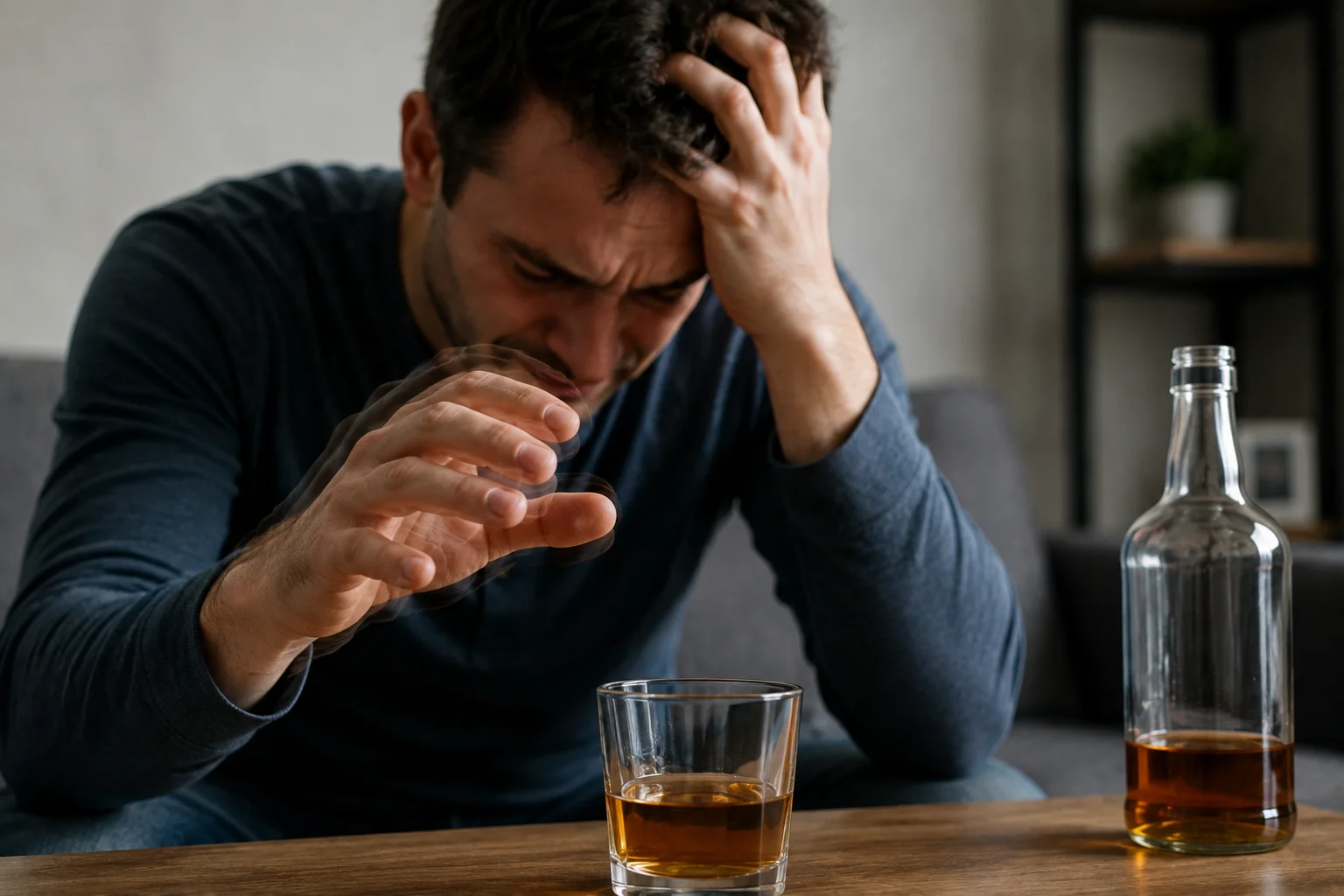

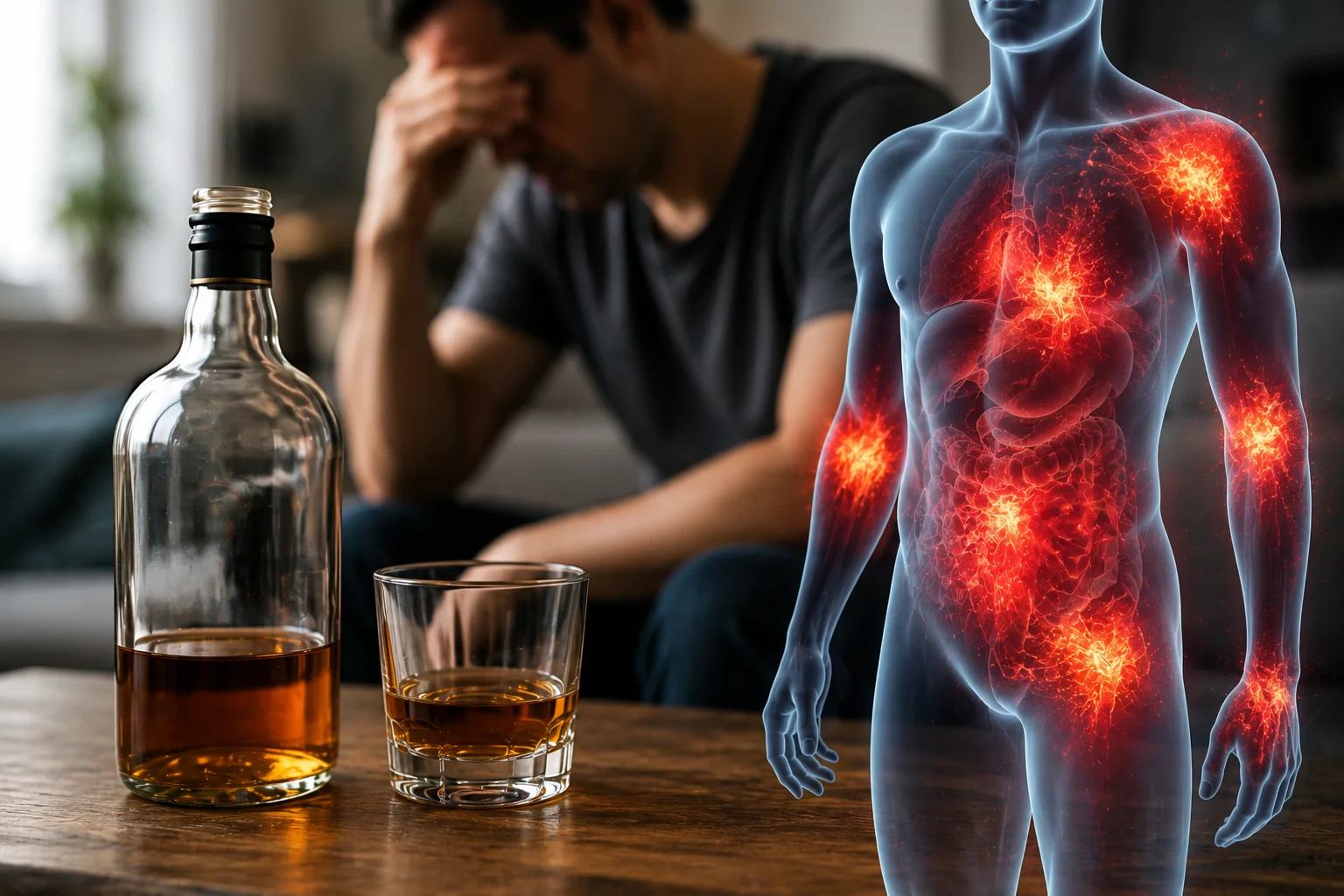

Dual diagnosis is the terminology that best describes what co-occurring disorders are, i.e., the simultaneous existence of substance use disorder or addiction, and any mental health disorder. The complex interplay affects millions of people worldwide and mainly brings about challenges in diagnosis, treatment, and recovery.
Understanding co-occurring disorders is what House of Zen prescribes as the first step to recovery effectively. This article defines co-occurring disorders it explains their causes, lists symptoms and available treatments, and outlines possible steps that may be useful in practice towards recovery.
What Are Co-Occurring Disorders?
Co-occurring disorders are defined by the experience of one (substance use disorder, alcoholism or opioid addiction, etc.) and another condition related to mental health (such as depression, anxiety, or bipolar disorder). The conditions usually precipitate an increase in symptoms of each other. Therefore, treatment becomes more complicated than treating one issue individually.
Prevalence
The Substance Abuse and Mental Health Services Administration (SAMHSA) has revealed that by 2020, approximately 9.2 million adults in the U.S. were suffering from co-occurring disorders. This will be a comprehensive and integrated treatment approach.
Common Examples of Co-Occurring Disorders
Mental health conditions and substance use disorders are very diverse when speaking of dual diagnosis combinations. Here is an extended list of some common combinations:
- Depression and Alcoholism: People may try to mask their feelings of sadness or hopelessness with alcohol consumption. Since alcohol is a depressant, it increases the effects of depression.
- Anxiety and Prescription Drug Abuse: This results from the inappropriate use of medication such as benzodiazepines (e.g., Xanax, Valium) for the treatment of anxiety.
- Bipolar Disorder and Cocaine Addiction: The high achieved from cocaine use might imitate or intensify mania; therefore, it will interfere with the efforts directed at stabilizing mood.
- Post-Traumatic Stress Disorder (PTSD) and Opioid Addiction: Trauma survivors may use opioids in their self-medication, increasing the risk for opioid addiction.
- Schizophrenia and Marijuana Usage: Cannabis usage exacerbates psychotic symptoms, such as hallucinations or paranoia, in an individual already suffering from schizophrenia.
- Obsessive-Compulsive Disorder (OCD) and Alcohol Use Disorder: Alcohol consumption as a means of reducing obsessive thoughts or compulsions leads to dependency on alcohol.
- Attention-Deficit/Hyperactivity Disorder (ADHD) and Stimulant Abuse: This shall constitute that class of individuals who, having ADHD, perpetrate the misuse of prescription and illegal stimulants like Adderall or methamphetamine to self-regulate their symptoms.
- Borderline Personality Disorder (BPD) and Polysubstance Abuse: The extreme emotional variability characteristic of Borderline Personality Disorder, which precipitates the abuse of several substances (for example alcohol, cocaine, or opioids) by individuals to manage emotions.
- Eating Disorders and Substance Abuse: Stimulant use (to keep the appetite suppressed) or drinking alcohol (related to consumption for the mitigation of emotional distress) may be seen in comorbidity with anorexia or bulimia.
- Generalized Anxiety Disorder and Marijuana Addiction: The pot might seem calming at first, but later it leads to increased anxiety and a dependence problem.
- Social Anxiety Disorder and Alcohol or Benzodiazepine Abuse: The higher the social anxiety, the more likely a patient is to socially medicate with alcohol or use any sedative that might be available.
- Major Depressive Disorder and Heroin Addiction: Heroin may be used as an escape from symptoms of depression, but withdrawal and addiction further exacerbate the level of depression.
- Postpartum Depression and Alcohol or Prescription Drug Abuse: New mothers in postpartum depression may want to medicate the overwhelming feelings precipitated by this condition.
- Seasonal Affective Disorder (SAD) and Alcohol Use: People who are depressed seasonally tend to intake more alcohol in those particular seasons of the year.
Signs and Symptoms of Co-Occurring Disorders
The recognition of co-occurring disorders isn’t easy because the symptoms of mental health issues often cross paths. Here are the most important signs to be aware of:
Mental Health Symptoms
- Persistent sadness, or anger
- Anxiety, panic attacks, or excessive anxiety
- Mood swings, or emotional lows and highs
- It is difficult to concentrate or make decisions.
- Refrain from social or romantic activities
- Suicide or self-harm thoughts
- Obsessive thoughts, compulsive behaviors or obsessive thoughts
- Delusions or hallucinations (in cases similar to schizophrenia)
Addiction Symptoms
- The desire to drink, or excessive use of drugs or any other substance
- Inability to cut down or stop the use of substances
- Refusing to take responsibility due to using substances
- Tolerating, requiring more substance to get the same result
- Feeling withdrawal symptoms even though you aren’t taking the drug.
If you or someone else in your family has such symptoms, seeking medical assistance is crucial. The HoZ drug rehab offers comprehensive assessments, as we provide thorough assessments to pinpoint co-occurring disorders and customize treatment according to your requirements.
Causes and Risk Factors
Genetic, environmental, and psychological factors induce co-occurring disorders. The understanding of these causes in turn informs treatment approaches.
1. Genetic Predisposition
Mental health diseases or addictions in the patient’s ancestors increase the chances for the patient to have dual disorders. The genetic factors help determine sensitivity or vulnerability to certain agents and specific types of stresses that may precipitate an illness.
2. Environmental Triggers
Mental health and substance issues may arise from trauma, abuse, or neglect. People begin to use substances as a way of coping. This can be further precipitated by chronic stress resulting from work, relationships, or financial conditions.
3. Self-Medication
Most of the individuals who have used substances to manage their mental conditions end up with an addiction. For instance, socially anxious people might use alcohol in social situations to reduce their anxiety, which increases the risk of dependency.
4. Brain Chemistry
Addiction changes the same neurotransmitters that mental health disorders do. The most common are dopamine and serotonin. Because the effects overlap, each condition reinforces the other. Treating these root causes allows treatment to be more specific and effective in breaking the cycle of co-occurring disorders.
Treatment Options for Co-Occurring Disorders
The integrated treatment approach provides evidence-based therapies which should simultaneously address both conditions, the addictive and the mental health condition. Incorporating evidence-based care holistically, recovery will be supported at House of Zen.
1. Integrated Treatment Programs
- What It Is: Integrated treatment refers to coordinated care by professionals trained in both mental health and addiction disciplines.
- Why It Works: Only through concurrent treatment of both conditions can one be restrained from sabotaging the improvement of the other condition.
- Examples: Include therapy that treats trauma while at the same time teaching sobriety skills or medication management combined with addiction counselling.
2. Therapy and Counseling
- Cognitive Behavioral Therapy (CBT): Assists patients in recognizing and adjusting negative thoughts that lead to their addiction and mental health problems.
- Dialectical Behavior Therapy (DBT): Appropriate for the regulation of extreme emotions and the reduction of self-destructive actions such as substance abuse.
- Group Therapy: Offers peer support and shared experience, thus breaking the loneliness.
- Family Therapy: It includes the participation of close people to restore trust and enhance communication, and tackles family relations that might be causing the problems.
3. Medication-Assisted Treatment (MAT)
Medications are a class of drugs that may be used, including antidepressants, antianxiety medicines, antipsychotics, or anti-craving pills, which stabilize symptoms and reduce cravings for the substance. Always take these medicines under medical supervision to ensure safety and effectiveness.
4. Holistic Approaches
Mindfulness and Meditation will reduce stress and enhance control over emotions, therefore supporting mental health and sobriety. The state of physical health supports the state of recovery from addiction and supports the state of recovery from being emotionally unwell. Art or music therapy offers outlets through which creativity can improve emotion processing toward resilience building.
5. Inpatient and Outpatient Programs
- Inpatient Rehab: Residential, intensive treatment for the most severe cases. Support around-the-clock treatment within a trigger-free and comfortable environment.
- Outpatient Programs: Treatment that can be easily accessed by those who do not have the most severe case or who need to continue with daily tasks.
Programs at House of Zen are customized individually, thus offering a specific path to recovery for every individual.
How House of Zen Can Help
At House of Zen, we help you and your family take control of your lives back together while addressing the complexities of co-occurring disorders. Our services include:
- Comprehensive Assessments
- Integrated Treatment Programs
- Supportive Environment
- Customized Treatment Plan
- Ongoing Support
Visit our website at the House of Zen for more about our programs or to schedule a consultation. One can recover; let us take you through the journey.
Conclusion
Challenges are complex to deal with, especially when dealing with co-occurring disorders, but with the right professional treatment approach with advanced clinically-approved therapies, one can recover.
When the interplay between addiction and mental health is integrated, treatment is followed by holistic and long-term strategies, and a person can reclaim his or her life. We at House of Zen would also like to walk you through that journey while offering you a restorative pathway based on evidence and trust.
If you or your loved one is battling with co-occurring disorders, do not waste time. Contact the House of Zen now for professional assistance and begin your recovery process.
