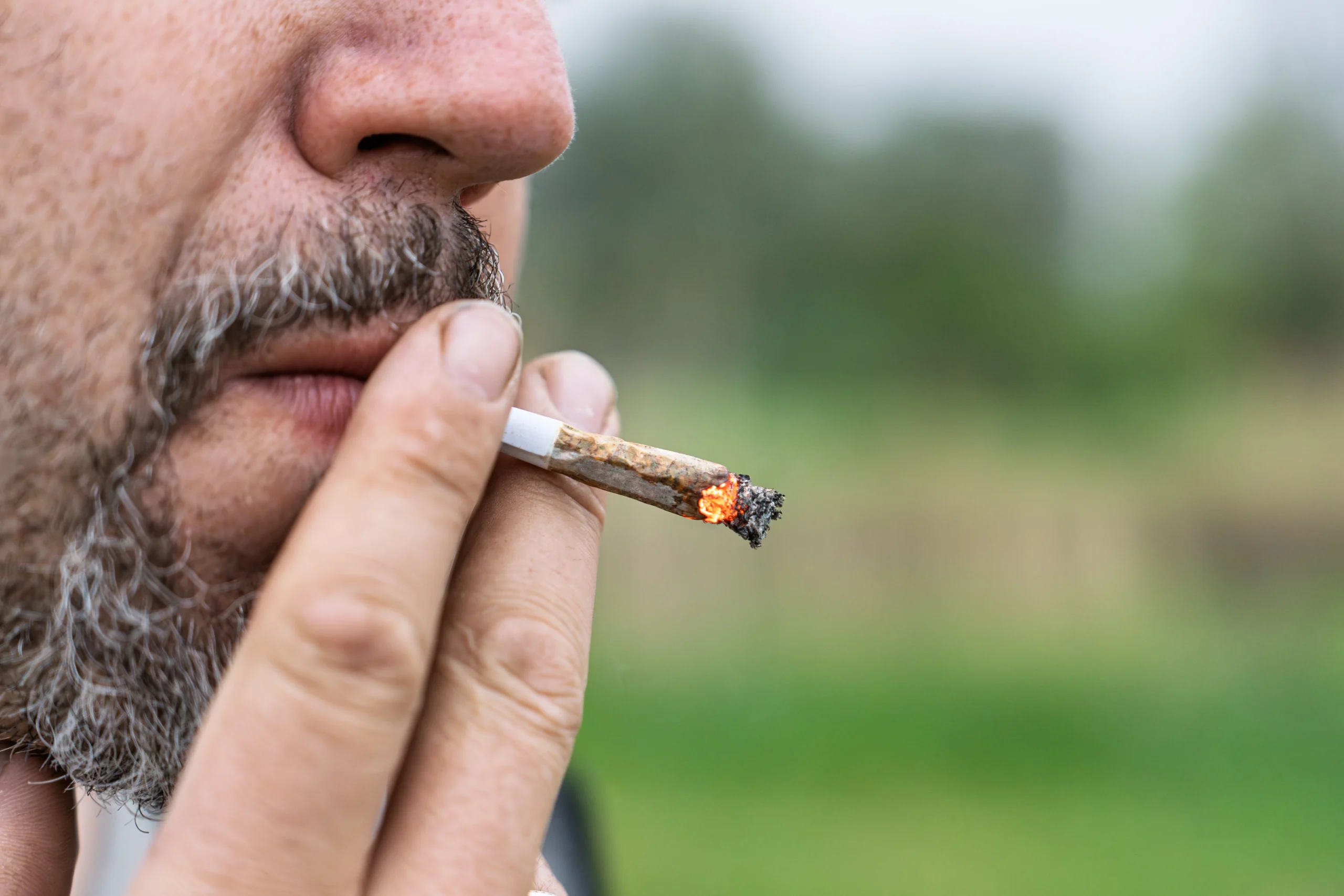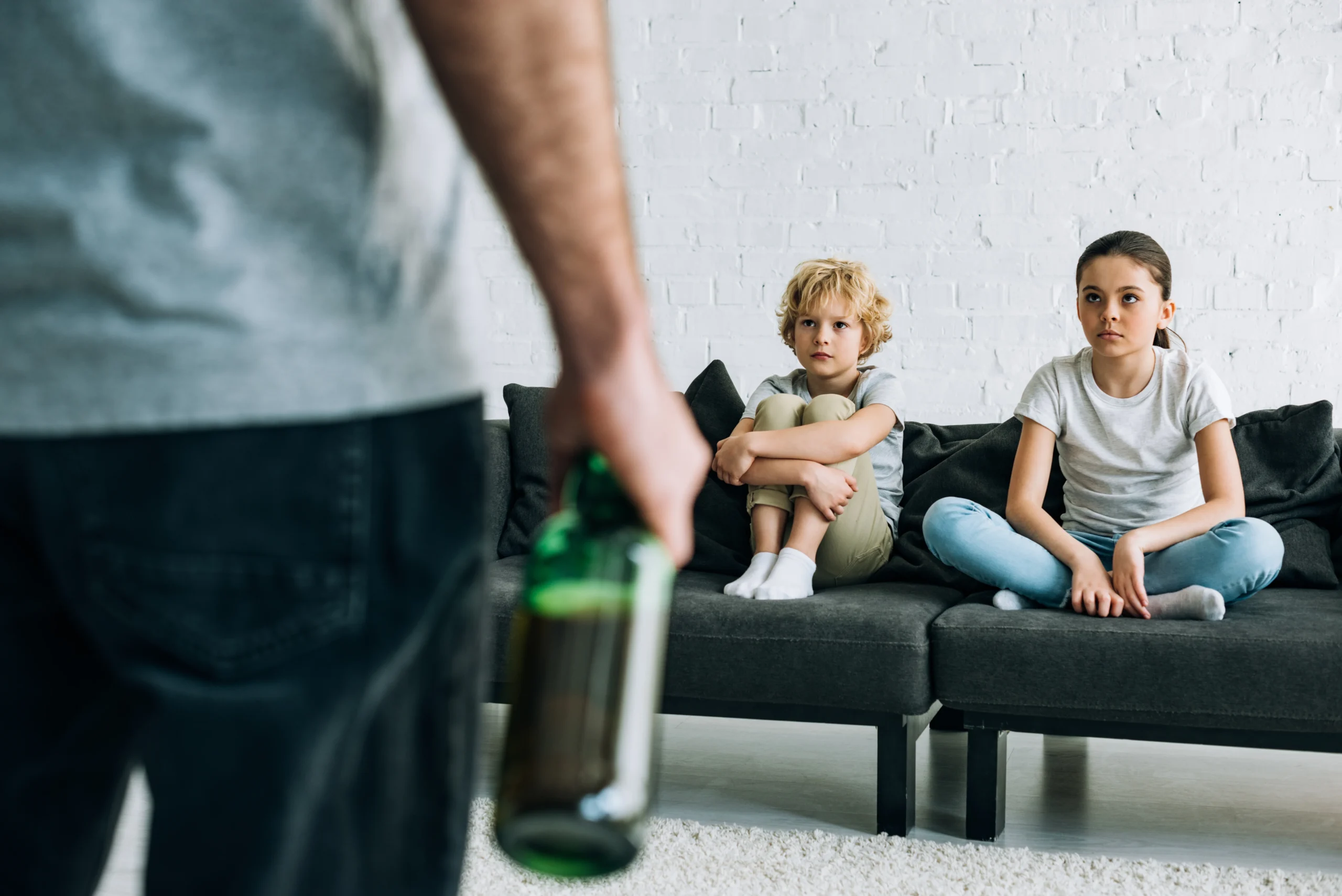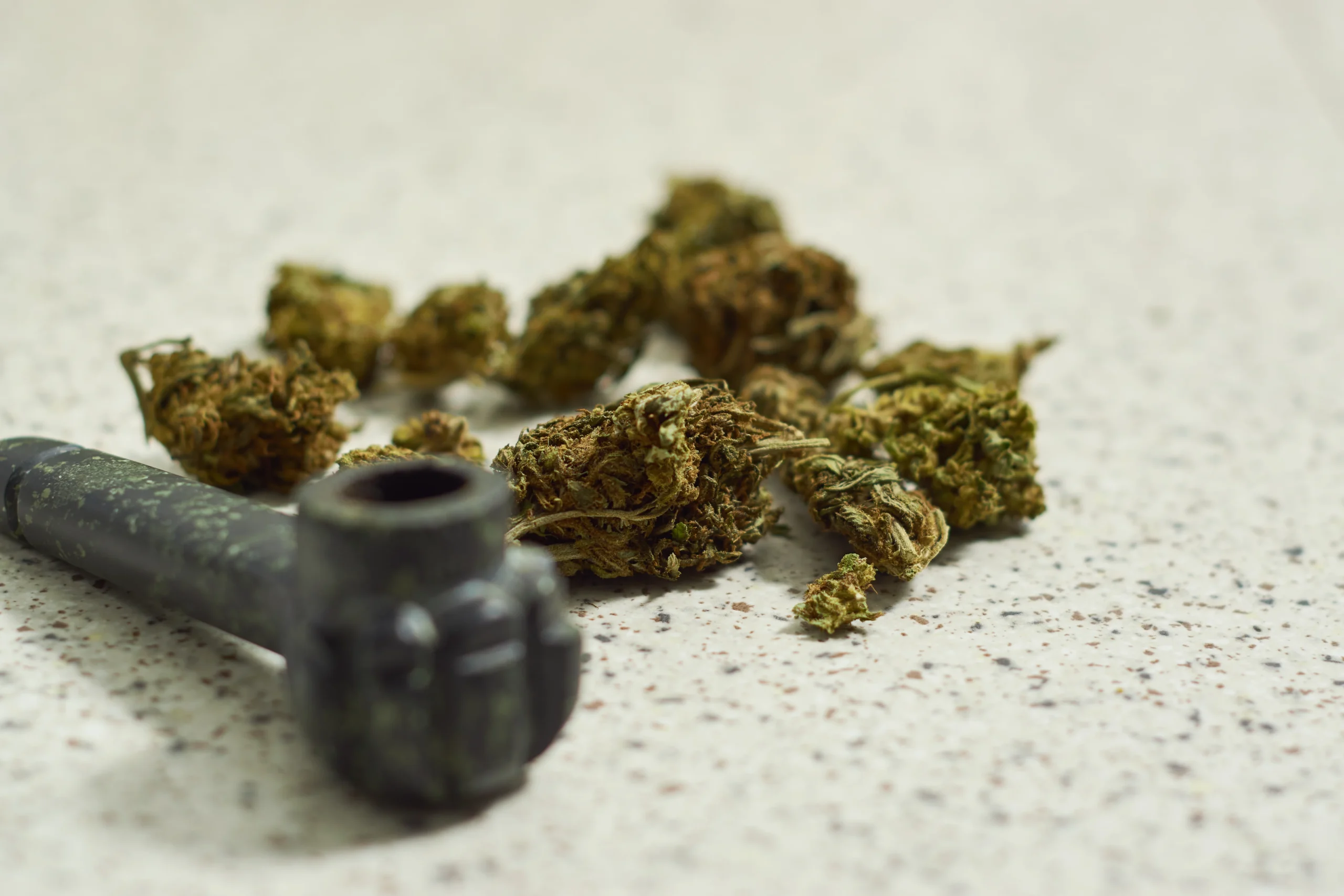


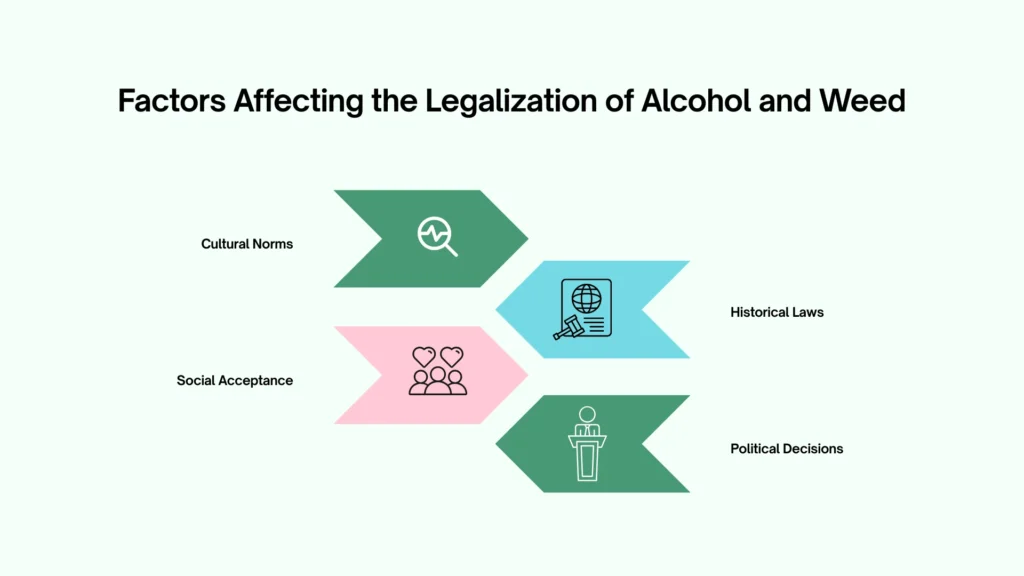
Do you want to know “Why is alcohol legal but not weed”? Alcohol is legal but not weed, based on the historical laws, social acceptance, and political decisions. However, the legal status of alcohol and weed doesn’t depend on purely scientific factors. The failure of Prohibition in the US led to the regulation of alcohol. Cannabis was classified as a controlled drug through legal and political policies.
✨ Key Takeaways:
- Legalization of alcohol and weed depends on cultural, historical, and social factors.
- The legal status of marijuana and alcohol isn’t purely based on scientific factors.
- Cancer and heart diseases are influenced by heavy alcohol use.
- Cognitive impairment and cannabis use disorder are influenced by marijuana consumption.
What is The Prohibition Era and Legalization of Alcohol?
Why is alcohol legal? Alcohol is legal due to its cultural and historical acceptance. The Prohibition Era started in 1920, ratifying the 18th Amendment. There was a nationwide restriction on producing, selling, and distributing alcoholic beverages.
It addressed the moral and social concerns of alcohol use. This Era included different unintended consequences, such as overwhelming justice and the rise of crimes due to alcohol consumption. Alcohol consumption was linked with social problems. There was a failure to curb alcohol use and a substantial economic cost.
In December 1933, the 21st Amendment was ratified, leading to the repeal of Prohibition. The end of Prohibition reflected the effectiveness of legalization and its impact on society. Individuals need to learn how to sober up from alcohol fast and maintain long-lasting sobriety.
Are You Looking for Help to Quit Alcohol or Weed Addiction
Access the structured treatments from the House of Zen to quit alcohol or weed addiction smoothly.
What is the History of Weed Regulation?
Why is weed illegal? Weed is illegal based on racism. The early regulation of marijuana in the US led to a prominent shift from widespread acceptance to stringent control. This early cannabis restriction started in the early 20th century, leading to the labeling of cannabis as a poison from 1906.
The Marijuana Tax Act of 1937 criminalized the possession and use of cannabis. The Controlled Substances Act of 1970 labeled weed as a Schedule I substance, highlighting no accepted medical use and potential misuse.
There is state-level legalization for the recreational and medical use of marijuana. However, there is a growing acceptance of using cannabis for recreational purposes.
💡 Did You Know
75% of adults who consume marijuana also start alcohol drinking, leading to substance use disorder and impaired cognition.
Societal Perception and Legality of Marijuana and Alcohol
Why is weed illegal but alcohol isn’t? Societal perception has prominently influenced the legal status of alcohol and cannabis. Alcohol use is socially accepted nationwide despite its negative effects.
This acceptance has contributed to legal alcohol consumption. Marijuana was widely prohibited, which has led to strict regulations. However, people have an opinion of using cannabis for medical and recreational purposes.
According to ScienceDirect, marijuana use is prevalent among both adults and adolescents, with a higher support for the legalization. Individuals also believe that marijuana consumption is less harmful than alcohol consumption. These perceptions are leading to the unprecedented changes regarding the legalization of cannabis.
It is important to note that mixing alcohol and weed also poses serious challenges for individuals. The use of mixed substances also leads to further legal restrictions. The legalization may evolve with the societal evolution towards the use of marijuana. It also reflects attitude changes towards the benefits and risks of marijuana addiction as compared to alcohol use.
What is the Impact of Evolving Perception on the Legal Status of Alcohol?
There is a significant perception evolution regarding alcohol use over the years, influencing both the legal status and societal acceptance. The conscientious consumption trend was introduced, allowing individuals to prioritize their sustainability and wellness. This trend also shows support for LGBTQ+ initiatives by highlighting the psychological and physical effects of alcohol use.
- There was a perceptible shift towards moderation because individuals have started to participate in ‘Dry January’ challenges or consider non-alcoholic options.
- Americans started to refrain from alcohol consumption, leading to a prominent decline in binge drinking.
- The behavior change for alcohol use is based on different factors, such as disinterest, addiction risk, and serious health concerns.
- These changes are also impacting the legality of alcohol because gradual adaptation of policies conveys the public attitude towards drinking.
- The severe health problems linked to alcohol consumption influence the strict regulations.
- The preference for moderate drinking and the sober-curious movement has influenced the nuanced alcohol legalization.
What is the Effect of Perception Evolution on the Legal Status of Cannabis?
There is a significant transformation of societal attitudes towards cannabis consumption. People’s perception has evolved in recent years, impacting the legal status of marijuana. Marquette Law School Poll shows the increasing support for the legalization of cannabis for medical use.
- The public endorsement of cannabis impacts the legal acceptance of medical use.
- Individuals in the US are using cannabis in different legal forms.
- There is a societal shift towards cannabis possession and use policies.
- The profitability of legal dispensaries influenced the legality of cannabis for medical and recreational use.
- The States Reform Act acknowledges the unified legal framework for cannabis consumption.
- The legal infrastructure may adapt to accommodate public opinion for weed legalization.
What are the Health Implications of Marijuana and Alcohol?
Understanding the health risks of alcohol and cannabis shapes personal health and public health policy. Cannabis may be less risky than several substances and provide medical benefits to individuals. Long-term marijuana use leads to mental health and respiratory problems among individuals.
Heavy drinking may lead to serious complications such as heart disease and liver damage. It is important to note that alcohol consumption also causes impaired judgment and coordination. That’s why you need to understand the top 10 signs of alcohol addiction to avoid dependency. Combined use of weed and alcohol can also lead individuals to intoxication.
Health Risks of Alcohol Consumption
Why isn’t alcohol illegal? Alcohol isn’t illegal because of its social and cultural acceptance. However, different health risks are associated with alcohol use. There is a correlation between heavy drinking and diseases such as a specific form of cancer and cardiovascular problems. There is a consistent rise in heart diseases due to alcohol consumption. Moreover, alcoholics lie and blame others for their heavy drinking.
There is an increasing demand for dietary guidelines due to the increasing health complications associated with drinking. It is important to lower the alcohol intake due to increased mortality risks among alcoholics. It has become prevalent to consider the warning labels for alcoholic beverages. Legislative policy responses are focusing on mitigating the public health risks.
Benefits and Health Risks of Marijuana Consumption
There are several benefits associated with cannabis use, such as chronic pain alleviation. It may also help individuals to battle opioid and alcohol addiction while managing diseases like sclerosis and epilepsy. So, what are the benefits of quitting weed? The benefits of quitting marijuana include improved mental clarity, better emotional stability, better physical health, and reduced anxiety.
There was also an FDA-approved medication that includes cannabidiol (CBD) to treat two rare kinds of epilepsy. The health risks of using weed include marijuana use disorder, especially for youth. There are different adverse effects of marijuana, such as social anxiety and cognitive impairment, due to the presence of tetrahydrocannabinol (THC).
Dizziness and drowsiness are the minor adverse effects of cannabis use. It is commonly asked Does weed make you lose weight? There is no direct health risk of losing weight due to weed consumption. However, some individuals reported the risk of losing weight due to marijuana use.
Global Legalization Status of Alcohol and Cannabis
Why is weed illegal, and alcohol isn’t? Weed is illegal, and alcohol isn’t, due to the cultural and historical factors. It is a fact that alcohol is accepted in most countries, while weed is subject to a full legalization cycle. However, the legal status of the weed and alcohol varies across the world.
Global Alcohol Regulation
The legalization of alcohol across the world is influenced by historical, social, and cultural factors. Alcohol is legally available for people aged 18 or older in most countries. However, the legal age for alcohol use in the United States of America is 21. It is true that alcohol is banned in several countries due to cultural and religious factors.
Global Weed Regulation
There is a growing trend of cannabis legalization across different countries of the world. The regulations in the United States highlight the role of substance use in society. Every state has adopted different policies, from legalization for recreational and medical use to strict prohibition. However, cannabis is known as a Schedule I substance.
Start the Smooth Recovery Journey at the House of Zen with the Help of Certified Professionals.
Get Help from House of Zen LA for Alcohol or Cannabis Use Disorder
Are you struggling with cannabis or alcohol use disorder in New Jersey and nearby areas? House of Zen is your destination to overcome addiction and regain control of your life. People experience the side effects of both substances, even though alcohol is legal, but not weed.
Answers to Commonly Asked Questions About the Legalization of Alcohol and Weed
Let’s explore the frequently asked questions and answers about the legal status of weed and alcohol.
Why is alcohol not illegal?
Alcohol is not illegal because of the Prohibition Era in the United States and the unintended consequences.
Why is marijuana illegal in most countries?
Marijuana is illegal in most countries due to international treaties, including the 1961 UN Single Convention on Narcotic Drugs.
Why is alcohol more accepted than weed?
Alcohol is more accepted than weed due to the cultural, social, and historical factors contributing to its legalization.
Is it healthier to smoke weed or drink alcohol?
Neither of the substances is safe for individuals because both pose different serious health risks.
How to get help if someone is struggling with alcohol or weed addiction?
Individuals can get help from the House of Zen if they’re struggling with alcohol or marijuana addiction.