



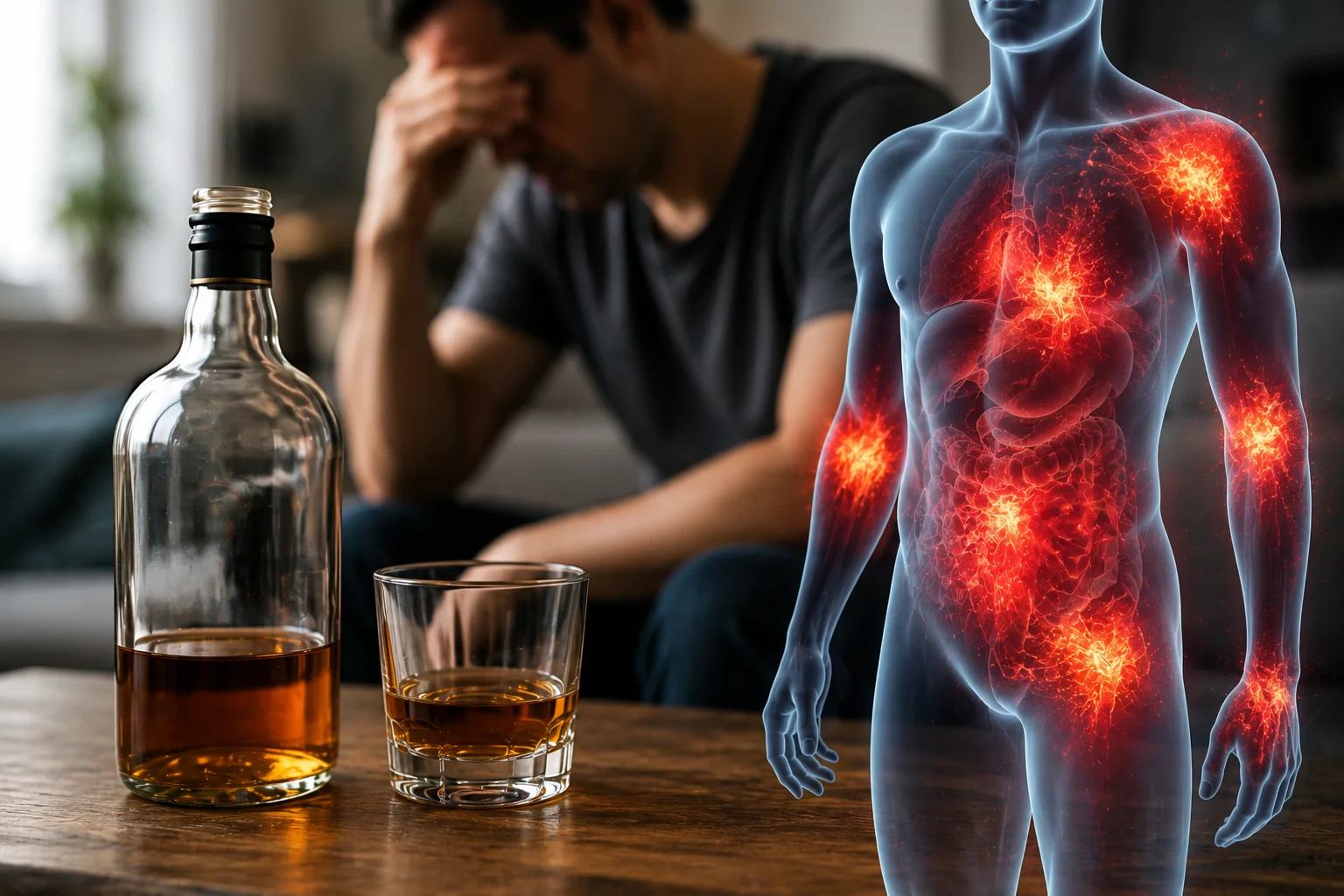



Drug abuse has become a global problem that impacts people from every phase of life. People turn to the top 10 most dangerous drugs to fit in everyone’s life, the curiosity of young people, or an urge to escape the struggles of life.
Over 53 million individuals in the US took illegal drugs in 2018. In other words, around one in every five people used drugs during this period. You aren’t alone if you or a loved one is an addict. You can be a friend, sibling, or parent who is dealing with a loved one’s drug issue and has a lot of questions. Why do people use drugs? Why do they still decide to take drugs when so many others are harmed by them?
✨ Highlights:
- People use drugs for curiosity and experimentation.
- Coping with stress or trauma is a reason for drug abuse.
- Peer pressure and pleasure influence to drug addiction
- Family, social influences, and mental health problems cause substance use.
There are several reasons why people use drugs, which we are going to cover here. Sometimes, they’re hoping to feel better, feel satisfied, or feel like they fit in. The following are some of the most typical reasons people use drugs:
1. Curiosity and Experimentation
Curiosity is a natural part of human growth, especially during adolescence, when the world seems massive and interesting to explore. This time is full of curiosity and a thirst to try something different, break boundaries, and challenge what is normal for youngsters.
Unfortunately, some people may find themselves willing to cross limits when it comes to drugs. One could turn out extremely attracted to the mystery of the unknown and wonder, “What does it feel like?”
The adolescent brain is still growing, especially the parts that handle impulse control and decision-making processes. Teens are more likely to try drugs and other risky activities as a result.
The pleasure of breaking the law or being an “adult” might make using drugs appear fun or even risk-free. They may say to themselves, “I’ll just try it once,” without considering all the possible consequences.
Fun exploration or experimentation is one of the initial stages of drug addiction that may later result in persistent usage and addiction. It is important to note that alcohol is considered a gateway drug because it acts as an entry point for users.
When someone tries drugs out of curiosity, their original interest may be replaced with a difficult-to-break dependency. That’s why curiosity is one of the reasons why people take drugs.
2. Peer Pressure
Peer pressure is an effective motivator, particularly for younger people. Teenagers who feel the urge to fit in or feel accepted by their friends might engage with drugs. The fear of being excluded from social situations and the influence of friends might encourage someone to start using drugs. This drug use in colleges and high schools is common.
Almost everyone is impacted by peer pressure at a certain point, but young people are more likely to be negatively impacted by it. Peer pressure of drug addiction particularly affects teenagers. Teens feel pressured to follow their friends’ behavior when they observe the “cool crowd” openly drinking or consuming marijuana.
Sometimes using illegal and harmful substances is necessary to fit in. One drink might develop into a risky habit. It is crucial to teach individuals to accept and appreciate themselves for who they are.
3. Coping with Stress or Trauma
One of the prevalent feelings is stress. 8 out of 10 Americans reported feeling stressed throughout a two-week period, according to a January 2021 American Psychological Association research.
Why do people like to drink alcohol or drugs? People consume drugs and alcohol to cope with trauma or stress. Life is stuffed with difficulties, and for many individuals, the everyday problems may be overwhelming.
Stress from job, education, relationships, or unresolved trauma from the past may all have a negative impact on a person’s mental and emotional health. Some people use drugs as a means of escape, providing momentary solace from their discomfort, worry, or stress.
Alcohol, marijuana, and more potent narcotics can all have numbing effects that make it possible for users to temporarily forget about their problems.
But in the end, this coping mechanism is harmful and ineffective. Gateway drugs examples including alcohol and marijuana, may provide relief in the short term. However, they frequently lead to long-term issues. Substance dependence may establish rapidly, resulting in addiction and making the initial stress or trauma more difficult to deal with.
4. Mental Health Issues
The prevalence of mental health problems is high. The ODPHP estimates that over half of people will be diagnosed with a mental condition. However, this figure just includes individuals who ask for medical guidance.
Too many people endure silent suffering. It might take years for the diagnosis of depression, anxiety, trauma, and other psychological conditions. In order to suppress their pain, a lot of people eventually turn to drugs or alcohol.
Self-medication using the top 10 most addictive drugs list is a risky strategy. While being high could temporarily make bad thoughts go away, this is not a healthy way to handle things.
Users eventually require higher, more frequent doses to achieve the same outcome. A person who uses substances may suffer physical harm. Drug use causes further problems with the heart, liver, and lungs, which eventually lead to death.
Are You Experiencing Mental Health Challenges Due to Drug Addiction?
Contact the House of Zen to start your drug addiction rehab journey for long-term stability.
5. Family Influence
One shouldn’t ever underestimate the impact of family on a person’s tendency to take drugs. Youngsters who are raised in homes where drug use is common among parents, siblings, or other close relatives. They are more prone to believe that abusing substances is acceptable behavior.
Early exposure to drug usage may have influenced their belief that using drugs as a coping mechanism for life’s difficulties is normal. Since kids often replicate the behaviors they see at home, this exposure can lead to an addiction cycle that can be hard to escape.
Genetics can also be a factor; certain people trap substance use like benzodiazepine addiction due to their family’s history.
6. Taking Pleasure
A basic human want is to find pleasure, and for some people, using drugs can be an alluring way to do so. Drugs may bring strong, immediate pleasure through the sedative effects of depressants, the exciting feeling of stimulants, or altered perceptions of hallucinogens. This pleasurable feeling becomes appealing for those looking to escape from ordinary life’s dullness, feeling isolated, or boredom.
Drug usage may become habitual when people ask for the “high” that substances give because of the early pleasurable experiences with them. But the high from drug usage is usually short-lived. The body soon develops a tolerance to the substance, meaning larger dosages are needed to have the same effect. This may result in a risky cycle of growing addiction and usage, leading to a negative effect.
7. Social Influences
The society we live in encourages alcohol drinking on every occasion. At social gatherings such as events, consumers drink without any concerns. Movies and television show drug and alcohol abuse with hardly any negative consequences. The harm associated with “acceptable” drugs like marijuana addiction is generally minimized by society.
Individuals turn to drugs and alcohol as a means of obtaining satisfaction in society as a result of this glorification. They think that until they are holding a drink or taking a hit from a joint, other people won’t accept them.

What are the Risk Factors and Protective Factors for Drug Use?
Risk factors are events or conditions that influence drug usage and misuse. The probability of using drugs and having issues increases with the number of risk factors in their environment. Among the risk factors for drug use are:
- Poor performance in school or low grades
- Bullying or cyberbullying victim
- Inadequate self-worth
- Permissive parenting
- Alcohol or drug usage by an elder sibling or parent
- Reside in an area where young people’s drug, alcohol, and tobacco use is highly tolerated
- Attending a school with lax policies on drugs
- Belief that there isn’t much danger involved with drug use.
Want to Save Yourself from the Risk Factors of Substance Use Disorder?
Don’t hesitate to ask for structured help when you need it most to protect yourself.
Getting Substance Abuse Help From House of Zen
Addiction is the last thing that comes to mind when someone experiments with drugs for the first time. Instead, in order to fill a gap, people turn to these hazardous chemicals. However, a one-time incident might become a lifetime habit. Luckily, if you battle with a drug or alcohol addiction, treatment is available.
Holistic and conventional approaches are implemented by HoZ to treat drug dependence. We aim to treat the full person rather than just treating the symptoms.
Are you still wondering what to do with teenagers using drugs? Arrange an appointment, and treat the underlying root cause of your addiction.
Answers to Common Questions: Why People Do Drugs
Let’s explore answers to questions related to people using drugs.
What are the reasons for drug abuse?
The reasons for drug abuse are:
● Curiosity
● Peer pressure
● Stress or trauma
● Mental health problems
● Family influence
● Pleasure feelings
● Social influence
Who uses drugs and why?
Individuals of different ages and backgrounds use drugs for recreational, social purposes, and to escape from their lives.
What do drugs do to you?
Drugs usually affect the central nervous system, leading to serious mental and physical health problems.
Are addicts born or created?
The environment and genetics influence addiction because some people are born with higher risks, and others use drugs due to life experiences.
Who is most likely to be an addict?
Young adults, men, and people with a family history of addiction are most likely to be addicts.
Does drug use change your DNA?
Yes, drug use can change your DNA through epigenetics, which affects the expression of genes.
