

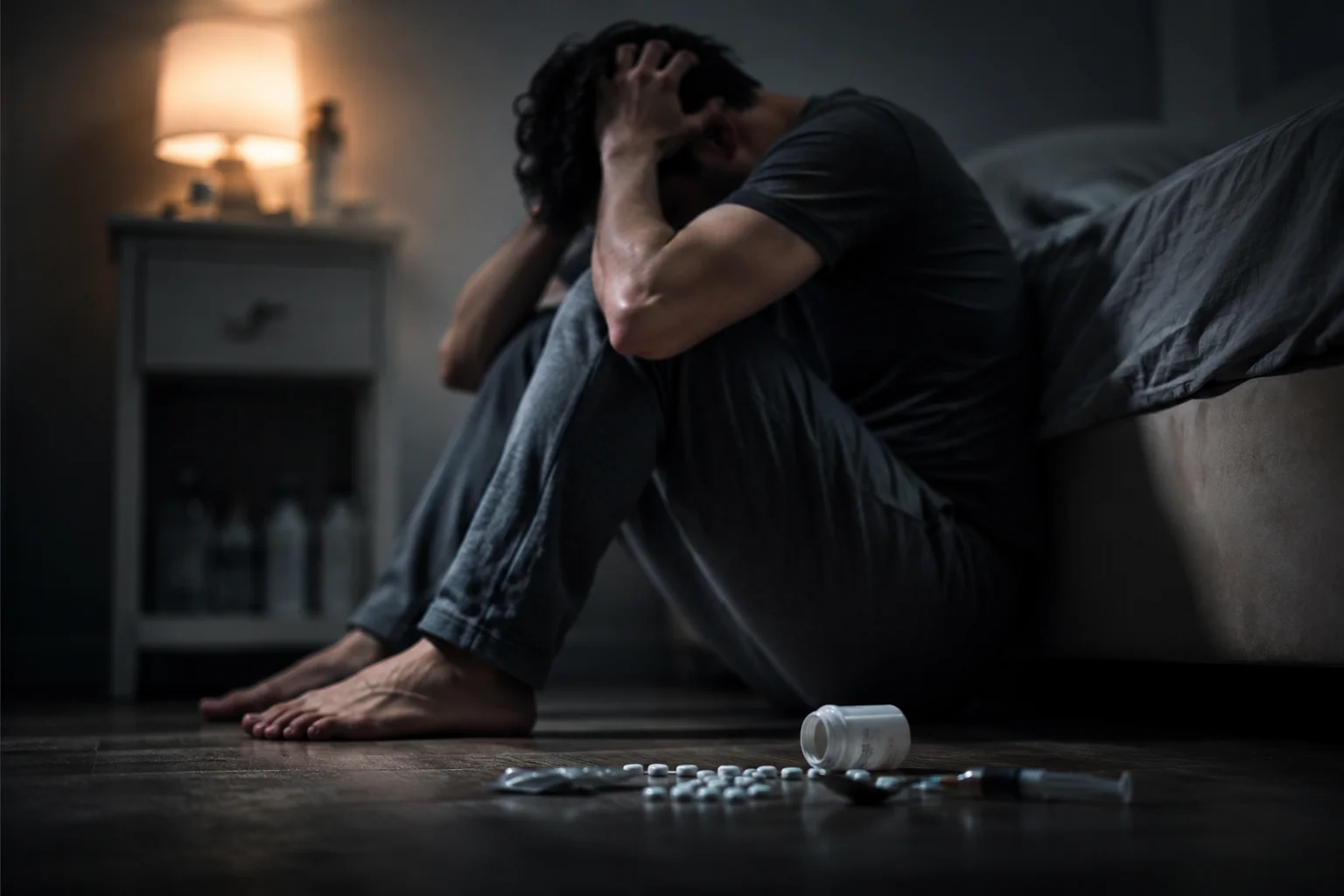
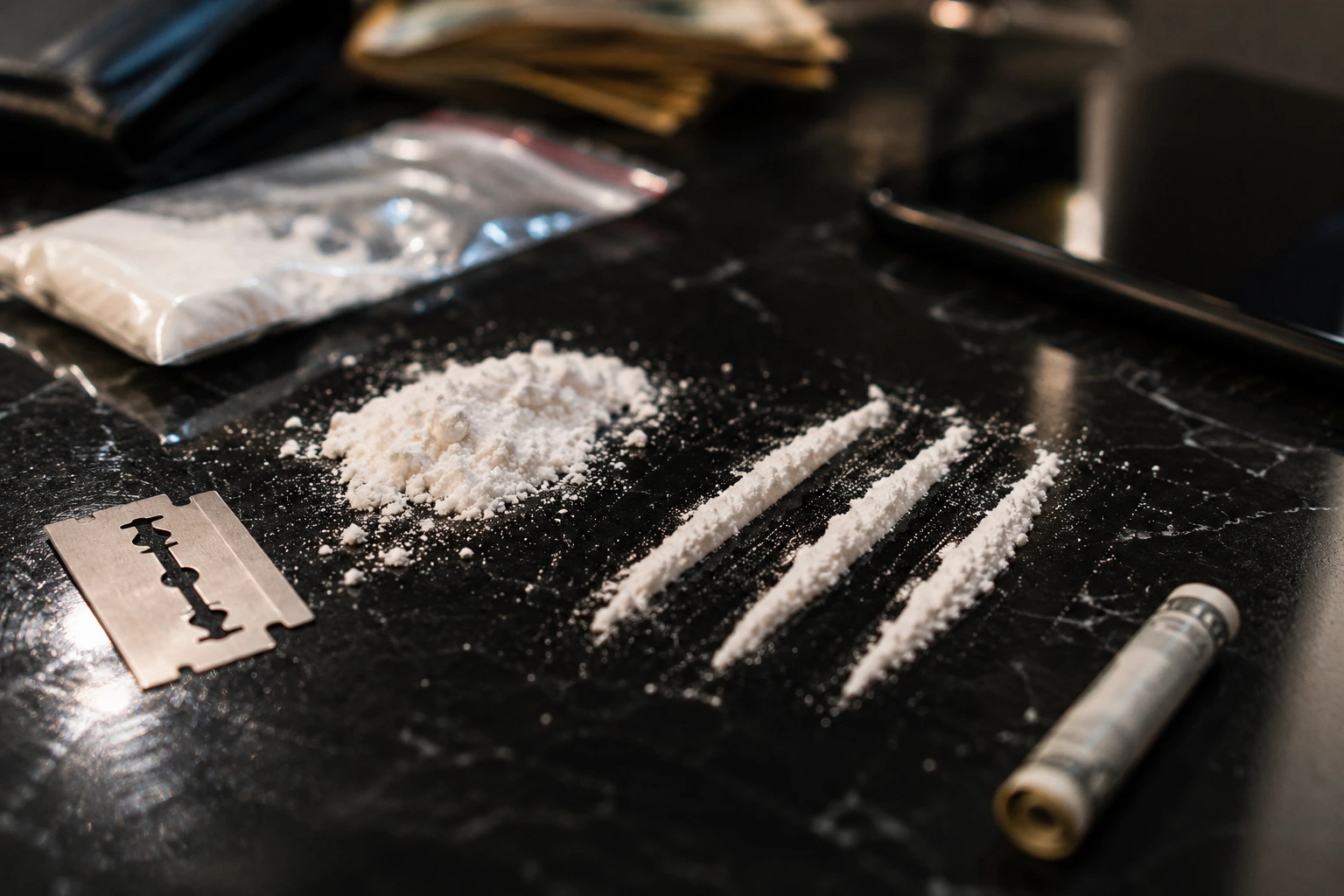
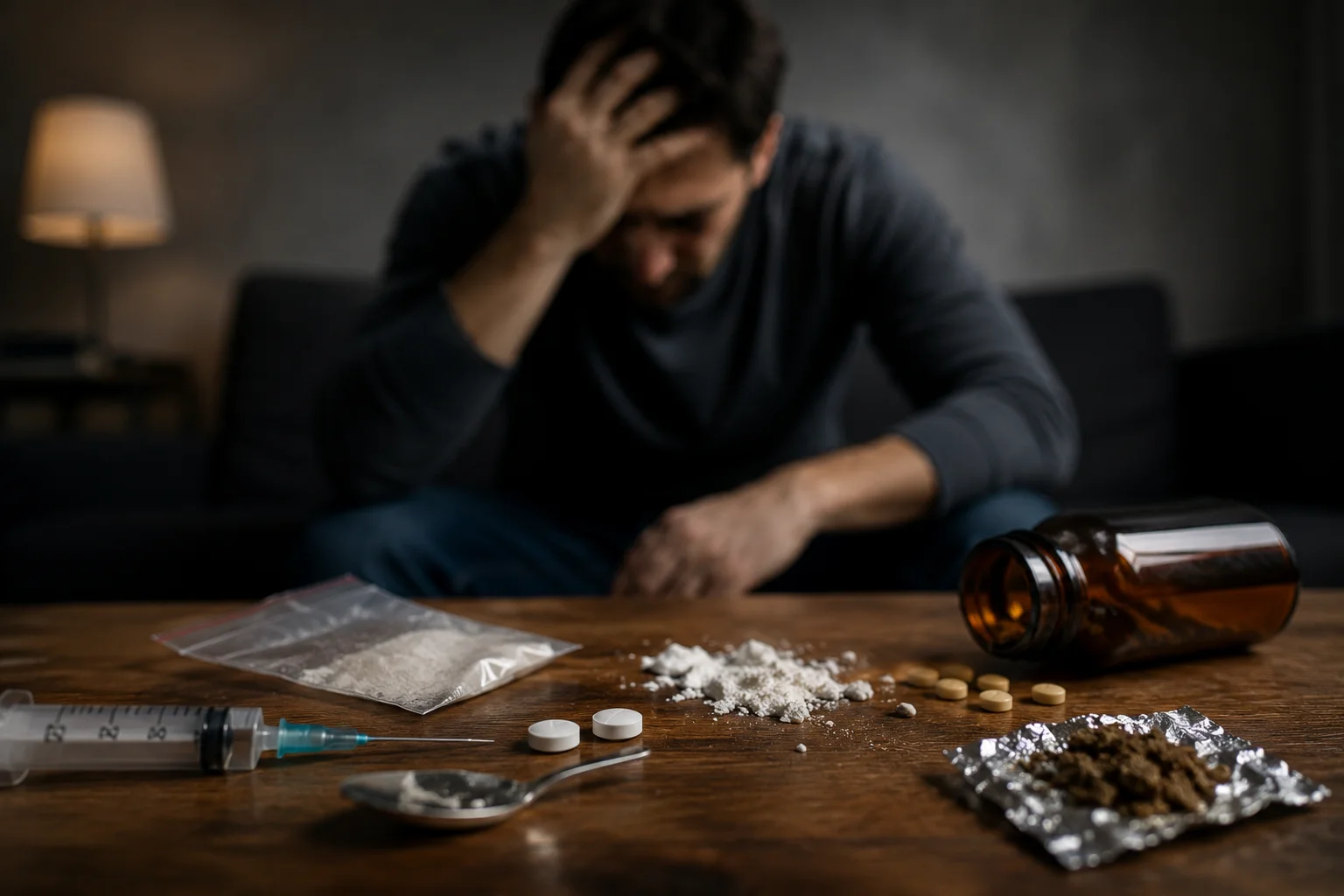

Withdrawal from certain substances can be dangerous and may be life-threatening. Alcohol and benzodiazepines are among the substances with potentially fatal withdrawal complications, while other drugs may cause severe but typically nonfatal symptoms. Many people stop using drugs suddenly, which can lead to serious withdrawal effects such as delirium, dehydration, hallucinations, seizures, and other medical complications.
What is Withdrawal And Drug Withdrawal?
Withdrawal is the body and brain’s reaction when a person stops or reduces substance use. People who use drugs may become physically dependent on them. If they do not use the substance, withdrawal symptoms can begin. Most people who experience severe withdrawal symptoms may need a detox program, which helps clear substances from the body and manage withdrawal safely.
Drug withdrawal or substance withdrawal is a group of symptoms that occurs after stopping or reducing drug use. Many people become so addicted to drugs that they become fully dependent on them. For example, taking antidepressant medication for a prolonged period may cause different reactions when it is discontinued. Drug withdrawal symptoms can include bone and muscle pain, increased heart rate, vomiting, and diarrhea.
Withdrawal Can Be Dangerous – You Don’t Have to Face It Alone
Quitting alcohol, benzodiazepines, or other drugs without medical support can lead to serious health risks. House of Zen provides personalized detox and compassionate care to help you begin recovery more safely.
What are The Risks of Drug Withdrawal?
Withdrawal usually happens when someone is physically and psychologically dependent on drugs or alcohol. The severity of withdrawal depends on which substance a person uses and how long they have been using it. Here are the common risks linked with withdrawal.
- Seizures
Withdrawal from alcohol, benzodiazepines, and other sedative drugs can trigger seizures, especially after heavy or long-term use. Seizures require urgent medical attention to prevent the condition from getting worse.
- Delirium Tremens
Delirium tremens (DTs) is a severe form of alcohol withdrawal that can cause confusion, hallucinations, fever, agitation, and rapid heart rate. It is a medical emergency and can be fatal without treatment.
- Heart Complications
Severe withdrawal can give stress to the heart by increasing blood pressure and heart rate. In serious alcohol withdrawal, cardiovascular collapse can occur with delirium tremens.
- Dehydration and Malnutrition
Vomiting, diarrhea and poor food or fluid intake can lead to dehydration and electrolyte imbalances. These complications can become serious if they are not treated.
- Severe Anxiety and Depression
Withdrawal may cause intense anxiety, low mood, irritability, sleep problems, and emotional distress. Anyone experiencing suicidal thoughts or feeling unable to stay safe should seek urgent crisis or emergency support.
- Relapse Risk
Cravings and withdrawal discomfort can increase the risk of returning to substance use. After a period without use, tolerance may be lower, which can increase overdose risk if a person returns to their previous dose.
What Happens to the Body In Drug Withdrawal?
Suddenly decreasing or reducing drug use can change brain function and decrease the amount of dopamine produced by substance use. Dopamine is a brain chemical that motivates and reinforces behavior. Addicted individuals may experience massive surges of dopamine in the brain’s reward system. This chemical can create drug cravings, making it difficult for a person to control their use.
Repeated drug use can increase addiction and lead to physical or psychological dependence on the drug. When your body becomes physically dependent on drugs, it can be difficult to stop using them. If you try to quit, you may experience painful withdrawal symptoms. Most people who stop using drugs may face withdrawal symptoms, including hallucinations, anxiety, and delirium tremens.
Can Withdrawal Kill You?
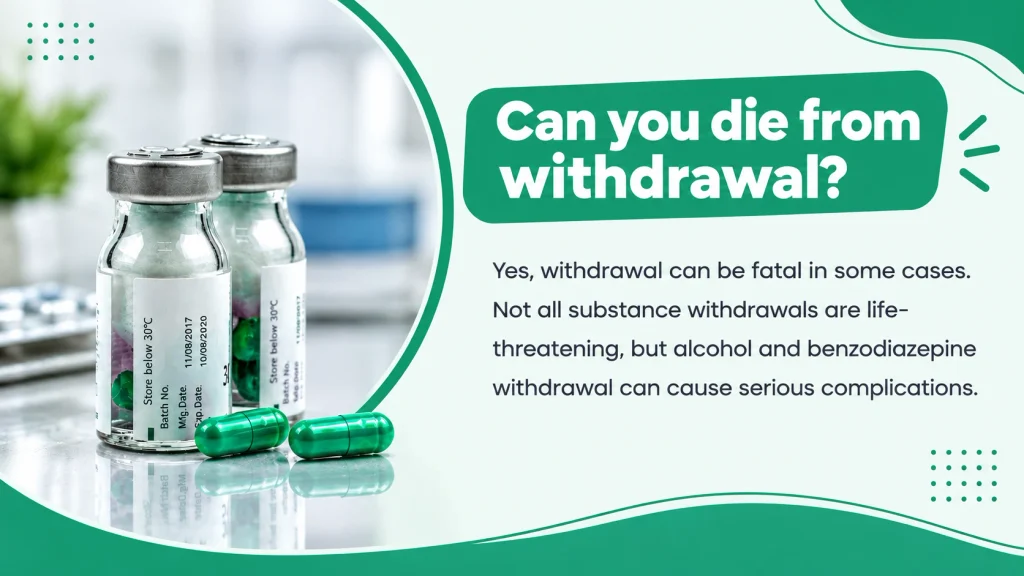
Yes, withdrawal can be fatal in some cases. Not all substance withdrawals are life-threatening, but alcohol and benzodiazepine withdrawal can cause serious complications. Drug withdrawal symptoms can be managed with the right support and accurate treatment. If you get treatment early before going to severe it may experience less complications and help you to achieve recovery faster.
You may have questions such as, “Can withdrawal kill you?” or “Can you die from withdrawal?” Both have the same answer. It depends on which type of substance is used and how long it has been used.
Deadly Drug Withdrawal Symptoms: Risks Of Quitting Certain Drugs
When we talk about substance use or addiction, some drugs can be especially difficult to quit. When someone is addicted to powerful drugs and decides to stop using them, they may experience physical and psychological withdrawal symptoms. That’s why many people need professional support to manage withdrawal and reduce the risk of relapse.
- Alcohol Withdrawal Symptoms
Alcohol withdrawal symptoms are a common condition that happens after heavy and constant consumption of alcohol. A person who consumes excessive alcohol suffers from alcohol use disorder (AUD). The National Library of Medicine reported that 76.3 million people worldwide are affected by alcohol use disorder and 1.8 million deaths occur each year.
If you are also struggling with alcohol addiction, our rehab care provides alcohol addiction treatment to prevent the symptoms from getting worse. If you ignore alcohol addiction, it will start showing dramatic symptoms that will be challenging for you. Explore some alcohol withdrawal symptoms, including:
- Rapid Breathing
- Hallucination
- Increased Blood Pressure
- Loss of Appetite
- Nausea
- Vomiting
- Mood Swings
- Tremors
- Severe Depression
- Intense Cravings
- Extreme Fatigue
- Restlessness
- Opioid Drug Withdrawal Symptoms (Heroin, Oxycodone, Fentanyl)
Opioid dependence is a life‑threatening condition. Opioids are a class of drugs used to relieve pain and sometimes used for mental relaxation. Several opioids include heroin, oxycodone, and fentanyl. They can cause severe opioid withdrawal symptoms. Heroin is an illicit opioid that is not used for medical purposes. People who use heroin must purchase it illegally. If a person takes heroin for a long time, they become dependent on it. Taking high doses of heroin can lead to withdrawal that affects the person’s mind and body.
Oxycodone is also a life‑threatening problem, especially during the first 24 to 72 hours of your treatment and any time when the dose is increased. Taking other medications, drinking alcohol or using street drugs may increase the risk of breathing problems. Talk to your doctor and visit our luxury rehab to get professional support to handle the situation efficiently.
Fentanyl is also an opioid drug like morphine or heroin. It is more powerful than other opioid drugs. Fentanyl can also make you addicted. The repeated use of fentanyl can change brain activity and cause people to continue using it. Continuous and excessive use of these drugs can lead to harmful effects. There are some common opioid withdrawal symptoms of heroin, oxycodone and fentanyl.
- Nausea
- Depression
- Vomiting
- Diarrhea
- Severe muscle pain
- sweating
- Anxiety
- suicidal thoughts
- Agitation
- Tobacco Withdrawal Symptoms
Tobacco contains nicotine that can cause strong cravings and make quitting difficult. When a person stops using tobacco, they may experience irritability, anxiety, sleep problems, low mood, and difficulty in concentrating.
We provide personalized treatment for nicotine dependence at House of Zen through behavioral therapies and coping skills. Our compassionate team helps individuals manage cravings and build healthier habits for long-term recovery.
- Fatigue
- Constipation
- Hunger
- Trouble sleeping
- Cravings
- Feeling sad
- Headache
- Dry mouth
- Crystal Meth Withdrawal Symptoms
Crystal meth is also known as ice or methamphetamine. Meth withdrawal is the process in which the brain and body readjust their function without the use of methamphetamine after a longer period of regular use. A person can relapse if they consume it daily and suddenly stop.
The physical symptoms of meth withdrawal are more tolerable than other opioids. We offer crystal meth treatment for those who are struggling to recover from addiction. Ignoring this addiction can cause some withdrawal symptoms. Long-term use of crystal meth can affect mental health and make the symptoms worse.
- Severe Depression
- Hallucination
- Delusions
- Anxiety
- Intense Cravings
- Extreme Fatigue
- Psychosis
- Cocaine/ Crack Cocaine Withdrawal Symptoms
Cocaine (crack) is an addictive stimulant drug that is extracted from coca plant leaves in South America. It is used in the medical field as anesthesia. It is also used to boost feelings like happiness and alertness. Increased consumption of cocaine may lead to serious medical problems like heart attack, stroke and severe withdrawal.
Crack cocaine is hard to quit because stopping its use can produce strong psychological dependence and withdrawal symptoms. These symptoms can last for months or years. The Luxury Rehab offers crack cocaine addiction treatment for those who are long addicted and also want to quit; we give them the best support to reduce their challenges. We use different effective therapies to manage the withdrawal and prevent relapse.
- Severe Depression
- Intense Cravings
- Extreme Fatigue
- Lack Of Energy
- Anxiety
- Anhedonia
- Inability To Feel Pleasure
- Benzodiazepine Withdrawal Symptoms (Xanax, Valium)
Benzodiazepine withdrawal can be just as dangerous as alcohol withdrawal. If you regularly use Xanax or valium and stop suddenly, it can be very dangerous. Xanax (alprazolam) is a Schedule IV controlled substance that belongs to the benzodiazepine class of medications. It is used to treat anxiety disorders and panic attacks. Xanax withdrawal can begin within 24 hours after the last dose, and symptoms may last from a few days to several weeks.
Valium (diazepam) acts on gamma-aminobutyric acid (GABA) and dopamine in the brain. Both are neurotransmitters. Valium disrupts the natural production of these chemicals in the brain. When an individual uses it for a long time, they can become dependent on it. When they suddenly stop, they may face withdrawal symptoms that can be challenging. If you are looking for a benzodiazepine addiction treatment to help you or your loved one start the journey to recovery, we encourage you to consult Houses of Zen to get professional support and maintain long-term sobriety.
- Severe Depression
- Delusions
- Anxiety
- Intense Cravings
- Extreme Fatigue
- Psychosis
- Hallucination
- Panic Attacks
- Muscle Pain
- Tremors
- Seizures
Find Support Beyond Detox
Detox is an important beginning, but lasting recovery also requires therapy, relapse-prevention tools, and continued care. Let House of Zen help you build a plan for a healthier future.
What Withdrawals Can You Die From?
Drug use can indeed harm mental health and overall well-being. However, some substances can cause life-threatening withdrawal complications. You may ask, “What drugs can kill you?” The risks depend on the type of drug being used. The table below lists some substances that can cause severe withdrawal symptoms.
| Substance | Withdrawal Risks | Higher-Risk Factors | Emergency Signs | Medical Support |
| Alcohol | Seizures, hallucinations, delirium tremens | Heavy long-term use; past seizures or DTs | Seizure, confusion, fever, hallucinations | Monitoring of fluid, medication |
| Benzodiazepines | Seizures, severe anxiety, confusion | High doses; long-term use; seizure history | Seizure, agitation, hallucinations | Gradual taper and monitoring |
| Opioids | Vomiting, diarrhea, dehydration, relapse risk | Medical conditions; multiple-substance use | Fainting, chest pain, inability to keep fluids down | Relief symptom, hydration, medication support |
Get Comprehensive Treatment for Drug Withdrawal and Addiction
Quitting drugs is very difficult if you are addicted. Our rehab care makes it easy because we provide different treatments that help the person quit drugs and adopt a healthy life. We use effective therapies and arrange counselling sessions to understand the difficulties. Our team is always ready to support you in the recovery period to get back to a healthy life.
Detoxification (Detox)
Detoxification is the first step towards recovery that removes drugs or alcohol under medical supervision. Our detox program manages withdrawal symptoms and prepares you for continuous treatment. A certified team of doctors monitors your vital signs to provide medications and manage other issues.
Inpatient Program
We offer an inpatient program where you stay during detox and early recovery. Our staff provides different therapies and structured daily routines. This treatment program is best for severe withdrawal and high risk of delirium tremens.
Intensive Outpatient Program (IOP)
Our Intensive Outpatient Program (IOP) uses evidence-based therapies for drug addiction. You can get this treatment while living at home. Our dedicated team at Luxury Rehab provides frequent therapy sessions and relapse-prevention skills. IOP offers the flexibility to balance work and school with high-quality support.
Aftercare Program
Continuous support after detox or inpatient treatment prevents relapse. This can include regular counselling sessions or support groups with a doctor. The aftercare program helps you maintain sobriety and manage triggers to adjust your treatment plan over time.
Get Safe And Professional Support For Drug Withdrawal
If you or someone you love is experiencing drug withdrawal and professional support can make the process safer and more manageable. At House of Zen, our team provides personalized detox, therapy and ongoing aftercare in a supportive environment. We monitor withdrawal symptoms and help clients build practical relapse-prevention skills. Detox is an important first step, while continued treatment and support help create a foundation for long-term recovery.
Frequently Asked Questions on Drug Withdrawal
How Long Does A Withdrawal Take?
Withdrawal timelines depend on the substance and length of use. Acute symptoms may last several days to a few weeks, while cravings, sleep problems or low mood can sometimes continue longer.
Is It Better To Withdraw Or Drop?
Do not decide to quit suddenly without professional advice, especially if you use alcohol or benzodiazepines. These substances may require medically supervised withdrawal and a gradual taper to reduce serious complications.
How Does Withdrawal Affect The Brain?
Repeated substance use changes the brain’s reward and motivation systems. When use stops, the brain must adjust without the substance, which can cause cravings, anxiety, irritability, low mood, sleep changes, and trouble concentrating.
What’s The Hardest Day Of Withdrawal?
There is no single hardest day because withdrawal differs by substance and person. For alcohol, symptoms commonly peak within the first one to three days; other substances may peak earlier or later.
Can Withdrawal Symptoms Kill You?
Yes, if you are using alcohol, benzodiazepines and other opioid drugs. Severe alcohol withdrawal can cause seizures or delirium tremens. Withdrawal from benzodiazepines can also lead to life-threatening seizures.
What Is Post-Acute Withdrawal Syndrome (PAWS)?
Post-acute withdrawal syndrome (PAWS), also called protracted withdrawal, continues after the initial withdrawal period. It may include cravings, anxiety and difficulty concentrating. Symptoms and duration vary by substance and individual, so ongoing clinical and recovery support can be helpful.
