

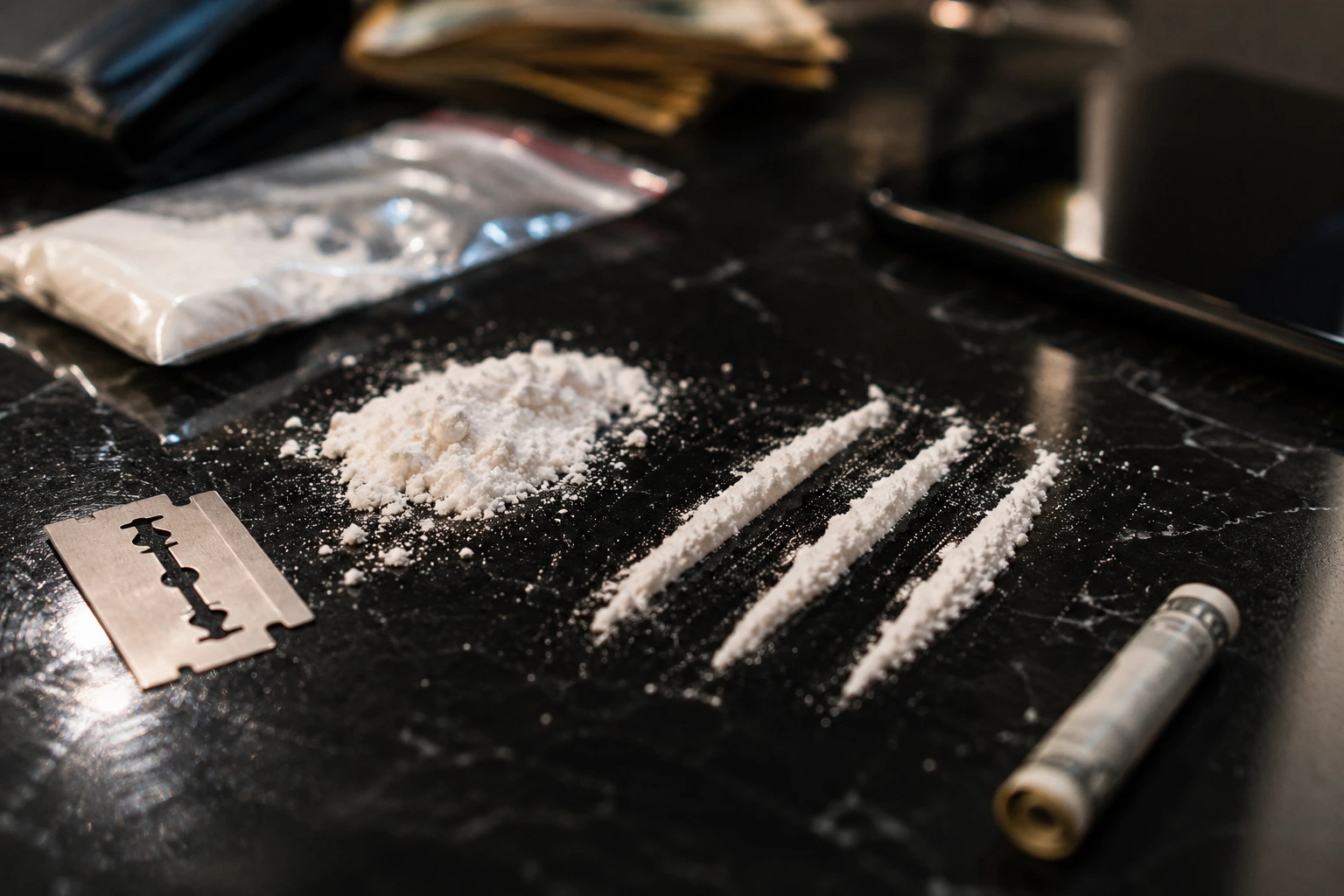



Cocaine is a powerful stimulant drug derived from the coca plant, known for its intense but short-lived effects on energy, mood, and alertness. Many dealers and communities have created a wide range of slang terms to talk about it without drawing attention. Some common Slang for cocaine include “coke”, “blow” and “snow”. There are some slang terms, including “nose candy”, “charlie”, “flake” and “dust”. These nicknames vary by region, culture, and era.
At House of Zen, we specialize in offering different treatment programs at luxury rehab. We give personalized care for powder cocaine and crack users. Our programs combine medical detox, evidence-based therapy and relapse-prevention strategies in a calm environment. If you or a loved one is ready to move beyond street names and start healing, our expert team is here to guide you every step of the way.
A Historical Overview To Understand Cocaine
Cocaine is derived from the coca plant, which has been used for centuries in South America. In the late 1800s, purified cocaine hydrochloride gained popularity in Western medicine and was even included in early soft drinks before its risks became widely recognized. By the early 20th century, growing evidence of addiction and serious health harms led to strict regulation. Cocaine is classified as a Schedule II controlled substance with limited medical use.
Over the decades, cocaine’s cultural presence has shifted from medical remedy to illicit stimulant in the 1970s–1990s. This history also shaped the wide range of slang terms such as “coke”, “blow”, “snow” and “yayo”. To know whether cocaine is a stimulant or depressant, you need our complete blog at House of Zen. Understanding this helps you explain why cocaine is highly addictive and heavily coded in street language.
Need Help With Cocaine Addiction?
Our treatment programs combine medical detox, therapy, and relapse prevention to support lasting recovery. Speak with our experts and find the right plan that lasts for your recovery.
What is Cocaine?
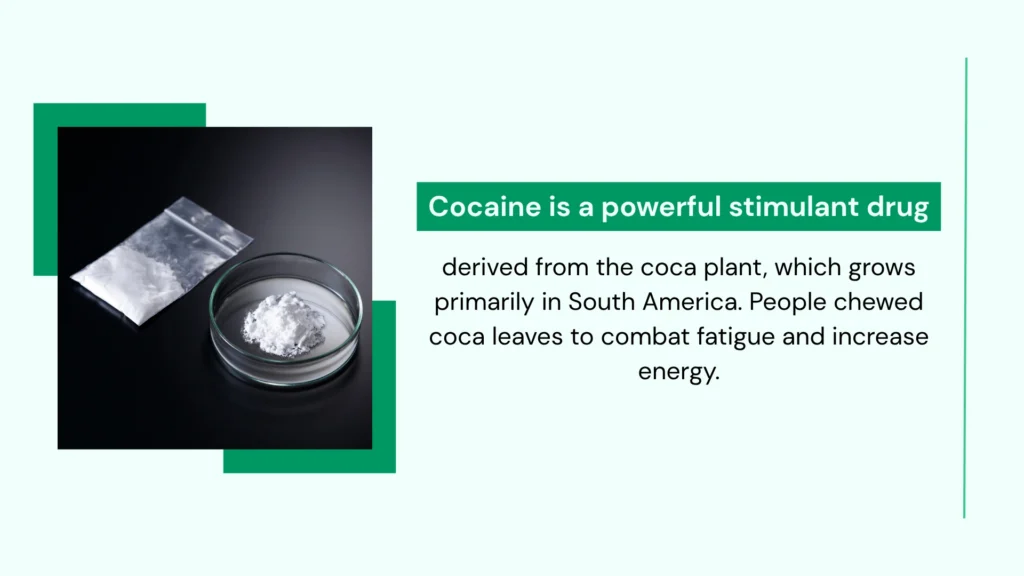
Cocaine is a powerful stimulant drug derived from the coca plant, which grows primarily in South America. People chewed coca leaves to combat fatigue and increase energy, but in the 1800s scientists isolated cocaine and quickly gained popularity in Western medicine as a local anesthetic. As evidence of addiction and serious health harms grew, governments began regulating it, and today cocaine is classified as a Schedule II controlled substance with very limited medical use.
What are The Slang Names For Cocaine?
Cocaine has many street names that vary by region, culture, and form. Users and dealers often use slang to hide or normalize their drug use.
- Apache
- Big C
- Blonde
- Blow
- Candy
- Florida Snow
- Love Affair
- Mexican Percocet
- Scottie
- White Girl
- Zip
What Are The Slang Names For Crack Cocaine?
Crack is also known as crack cocaine. It is a potent stimulant derived from powdered cocaine. Crack cocaine is a highly addictive and powerful stimulant that is derived from powdered cocaine using a simple conversion process. Crack emerged as a drug of abuse in the mid-1980s. Here are a few slang names for crack cocaine, which are given below:
- Black Rock
- Dice
- Gravel
- Ice Cubes
- Nuggets
- RIP
- White Tornado
Don’t Wait and Start Healing Now
Every day is very challenging when it comes to recovery. Our compassionate team at House of Zen is ready to create a personalized treatment plan for your cocaine addiction.
What are the Street Names Of Cocaine Based On The Effects?
Some street names for cocaine focus on the drug’s stimulating, euphoric or energizing effects rather than its appearance or form. These terms highlight cocaine’s ability to produce rapid energy and heightened alertness, often followed by a sharp crash. Here are a few street names of cocaine that are listed below:
- Happy Dust
- Paradise
- Nose Candy
- Big Rush
- Love Affair
- Friskie Powder
- Glad Stuff
What are The Slang Names For Cocaine Based On Origin?
Some cocaine slang terms reference its geographic origin, production regions, or the cultural routes through which it entered different markets.
- Coca
- Leaf
- Peruvian Lady
- Inca Message
- Big Flake
- Icing
- Paradise White
- Pearl
- Pressed Pills
- Snow Cone
- Snowflake
- White Lady
- White Mosquito
Street Names Of Cocaine Mixed With Other Drugs
When cocaine is mixed with other substances, it is often known by nickname terms. Some people do not realize they are using a mixture of drugs. Some nicknames for cocaine are mentioned.
- Speedball (cocaine and heroin)
- Bazooka or cocoa puffs (crack cocaine mixed and marijuana)
- Candy Flipping (cocaine and ecstasy)
- Spaceball (cocaine and PCP)
- Woolies: Crack cocaine wrapped in a gutted cigar
- Spaceball, Whack, or Scottie: Cocaine mixed with phenyl cyclohexyl piperidine (PCP)
Why Do People Use Other Names For Cocaine?
People use other names for cocaine to hide its identity and avoid detection. Street names make it easier to talk about the drug without drawing attention from law enforcement, family, or employers. Many users and sellers prefer code words like “snow”, “blow” or “coke” because they sound casual and less suspicious.
Some nicknames also describe the drug’s appearance, effects, or how it is used. Using slang terms helps create a sense of belonging within certain social groups or drug-using communities. Unfortunately, this practice can also be dangerous because many people do not realize they are using cocaine when it is mixed with other substances and sold under different names.
Get Proven Treatment Programs For Cocaine Addiction
Finding the right treatment program can make a real difference in overcoming cocaine addiction. We offer structured plans that address both physical dependence and emotional triggers. Select the appropriate treatment program according to your needs.
Inpatient Program
We offer an inpatient program where you stay during detox and early recovery. Our inpatient program gives you time to focus on recovery without outside distractions. The staff at Luxury Rehab provides different therapies and structured daily routines.
Intensive Outpatient Program (IOP)
Our Intensive Outpatient Program (IOP) provides structured treatment plans for cocaine addiction while you live at home and maintain your daily routine. A dedicated team at House of Zen provides frequent therapy sessions and relapse-prevention skills. IOP offers the flexibility to balance work and school with high-quality support.
Aftercare Program
Continuous support after detox or inpatient treatment prevents relapse. This can include regular counselling sessions or support groups with a doctor or addiction specialist. The aftercare program helps you maintain sobriety and manage triggers to adjust your treatment plan over time.
Start Your Recovery Journey With House of Zen
We offer personalized programs combining medical detox and relapse prevention in a compassionate environment at House of Zen. Our expert team provides inpatient, outpatient, and aftercare support tailored to your unique needs. Don’t let street names and hidden dangers control your life any longer. Visit House of Zen today and start your path to a healthier, drug-free future.
Frequently Asked Questions To Quit Hardest Drugs
Is pop slang for cocaine?
No. “Pop” is not a common or recognized slang term for cocaine. It is more often associated with other substances or non-drugs.
What does coca mean in slang?
In slang, “coca” usually refers to the coca plant. It is the natural source of cocaine rather than processed drugs. In some regions, terms like “mama coca” or “perico” may appear in conversation, but “coca” alone is not a standard street name for cocaine powder or crack.
Is it dangerous to search for or use cocaine slang terms online?
Searching for cocaine slang terms is not inherently dangerous, but it can expose you to misleading or harmful content, including drug-promoting communities or inaccurate information.
What was cocaine called in the 20s?
Cocaine was known as “coke,” “snow,” or “happy dust” in the 1920s. It is still sometimes used in medical settings, but its recreational use is increasing compared to the past.
What is cocaine used for in surgery?
Cocaine is rarely used in surgery. In the past, it was used as a local anaesthesia during surgery. Modern medicine has replaced the use of cocaine in surgery.
Is cocaine an opioid?
No. cocaine is not an opioid. It is a powerful stimulant drug that affects the central nervous system differently than opioids. While opioids slow down brain activity and relieve pain, cocaine increases energy, alertness, and heart rate.
Which drug category does cocaine belong to?
Cocaine belongs to the stimulant drug category. It is classified as a Schedule II controlled substance in the United States. It has limited medical use but a high potential for abuse and addiction.
