

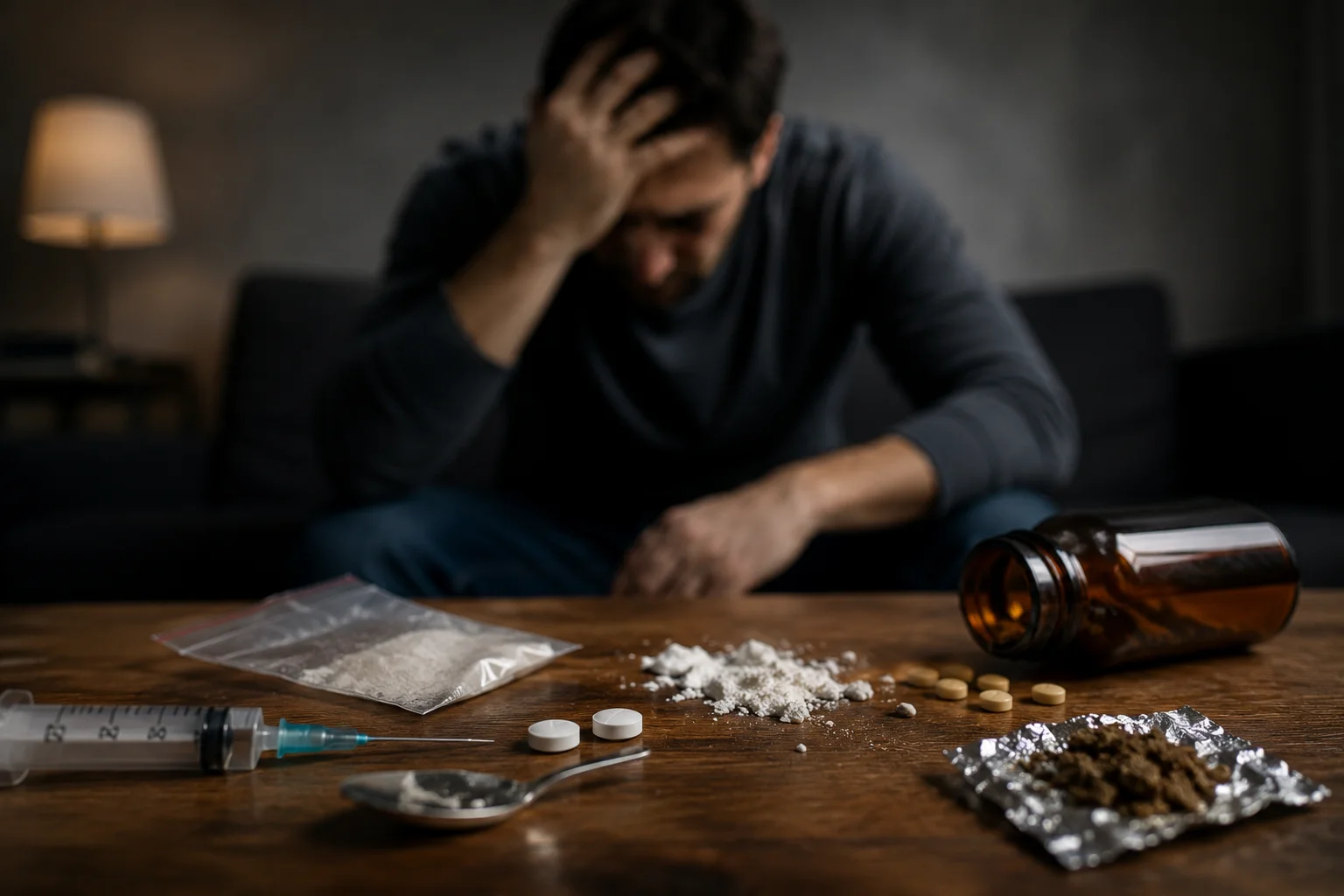
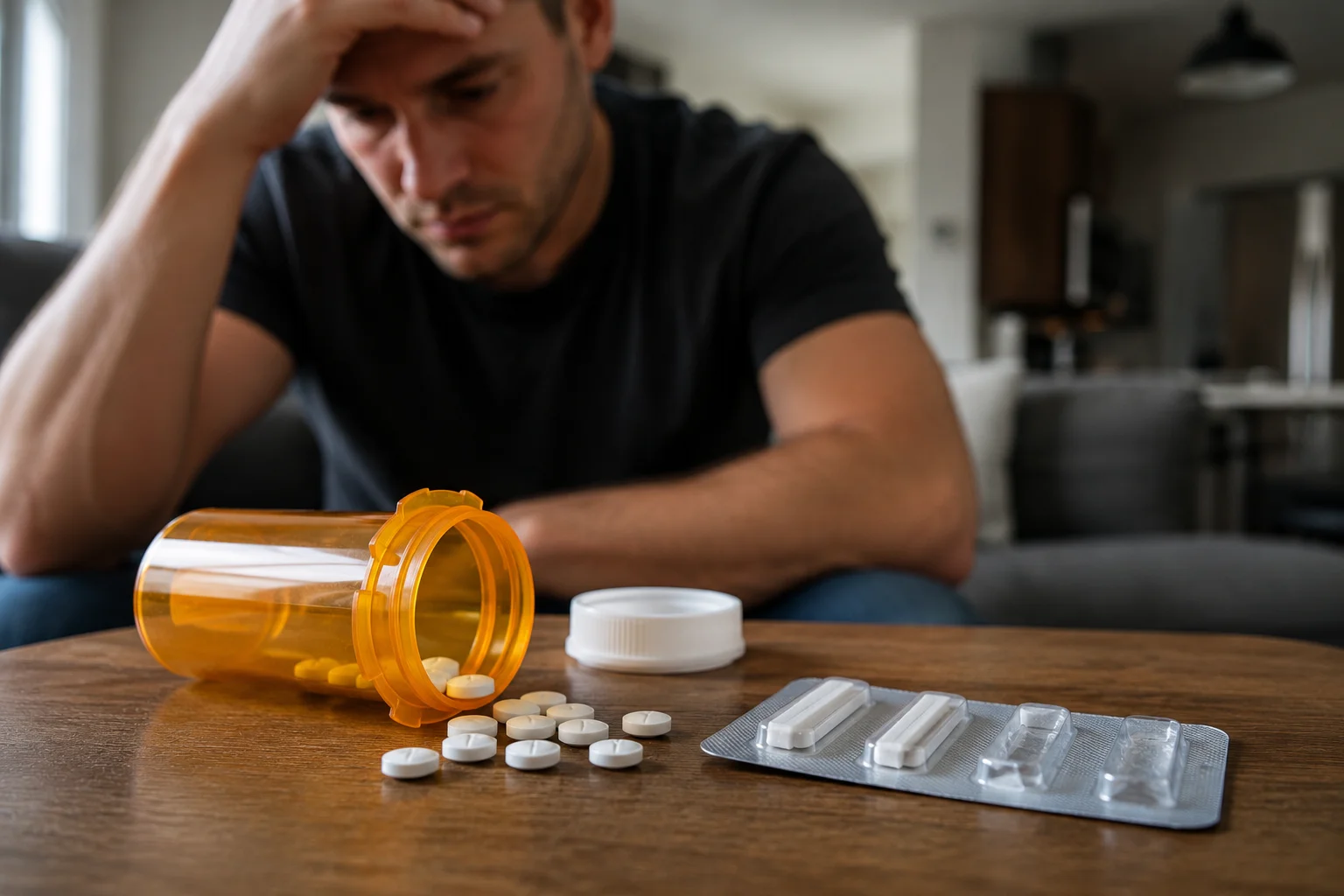

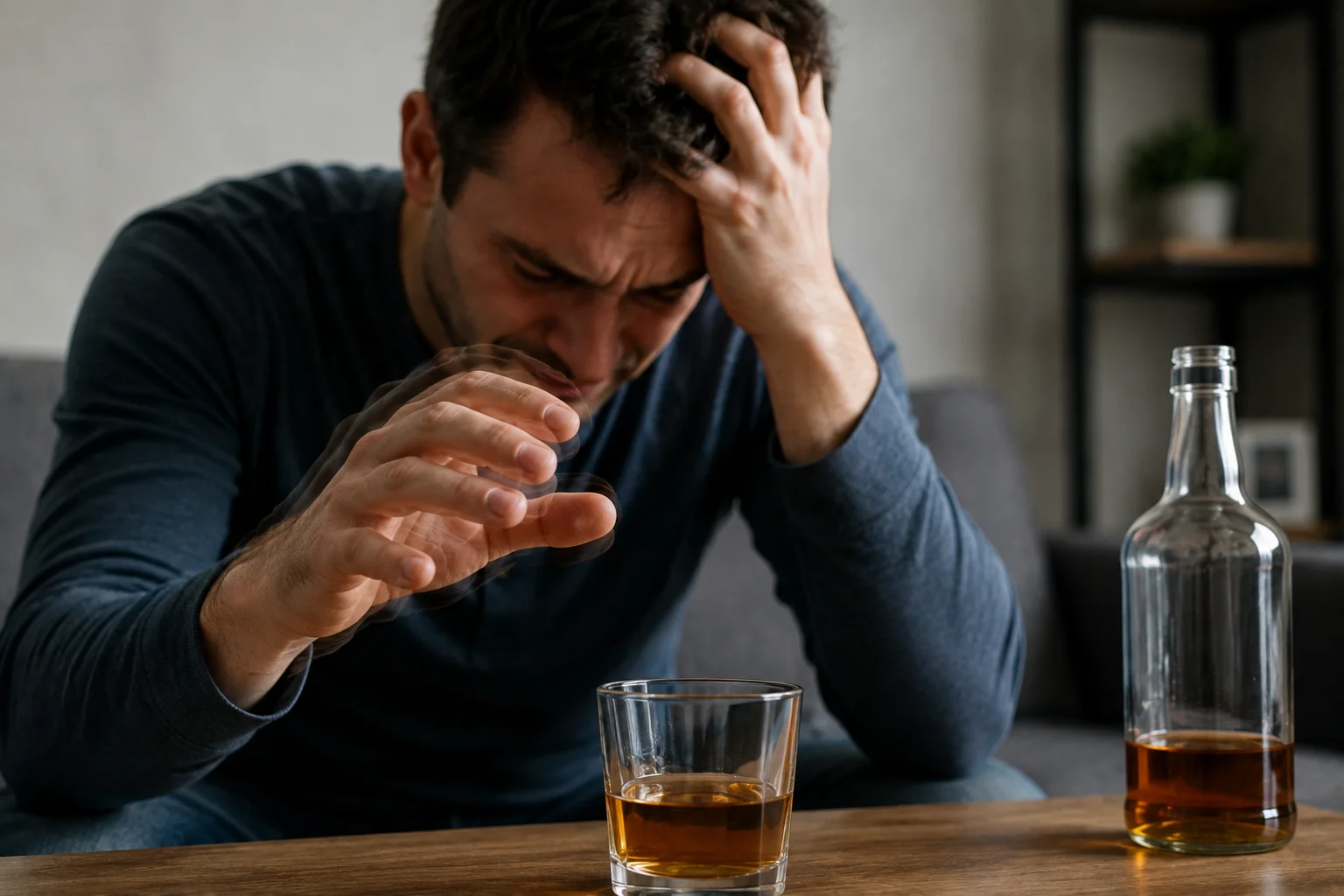


When you watch someone struggle with drug addiction, it can feel overwhelming. Many people ask, “Why is it so hard to quit drugs?” The answer may be surprising: quitting drugs can be extremely challenging, and every person’s experience is different depending on the substance they use. Addiction is not simply a lack of willpower; it involves changes in brain chemistry that can affect cravings, behavior, and decision-making.
According to the National Center for Drug Abuse Statistics (NCDAS), 47.7 million Americans aged 12 or older used an illicit drug in 2023. This blog provides evidence-based information to help you understand why quitting drugs can be difficult. Our luxury rehab helps individuals face this challenge calmly and find the right support to overcome addiction.
What Is Addiction?
Addiction is a chronic medical condition that involves complex interactions among genetics, brain circuits, and an individual’s life experiences. It can affect a person’s ability to control or stop substance use, even when it causes harm to their health, relationships, and daily life. Learn more about how addiction affects family and personal relationships.
Addiction is common, but it can be treated. It is not a matter of weak willpower or moral failure. Substance use can change brain function and make the problem more severe over time if it is not treated.
Why Are Some Drugs Harder To Quit Than Others?
If you are addicted and want to quit drugs, it can be challenging. Quitting drugs can change brain function and decrease the amount of dopamine produced by substance use. Dopamine is a brain chemical that motivates and reinforces behavior. Addicted individuals may experience massive surges of dopamine in the brain’s reward system. This chemical can create drug cravings, making it difficult for a person to control their use.
Repeated drug use can increase addiction and lead to physical or psychological dependence on the drug. When your body becomes physically dependent on drugs, it can be difficult to stop using them. If you try to quit, you may experience painful withdrawal symptoms. Most people who stop using drugs may also experience stress and anxiety.
According to the National Institute on Drug Abuse, biological factors can affect a person’s risk of addiction. Environmental factors influence gene expression. About 40 to 60 percent of people are at risk of addiction. Teenagers and people with mental health disorders are at greater risk of drug use and addiction. That is why it is important to understand the different types of drugs and why they can be difficult to quit.
You Don’t Have to Face Addiction Alone
Every recovery journey begins with one brave decision. House of Zen offers compassionate, personalized care to help you overcome addiction and rebuild your life.
What Drugs Have The Worst Withdrawal
When we talk about substance use or addiction, some drugs can be especially difficult to quit. When someone is addicted to powerful drugs and decides to stop using them, they may experience physical and psychological withdrawal symptoms. For a detailed overview of common symptoms, withdrawal timelines, and safe treatment options, read our guide to drug withdrawal symptoms and treatment.
Here is a list of the hardest drugs and how they affect the body.
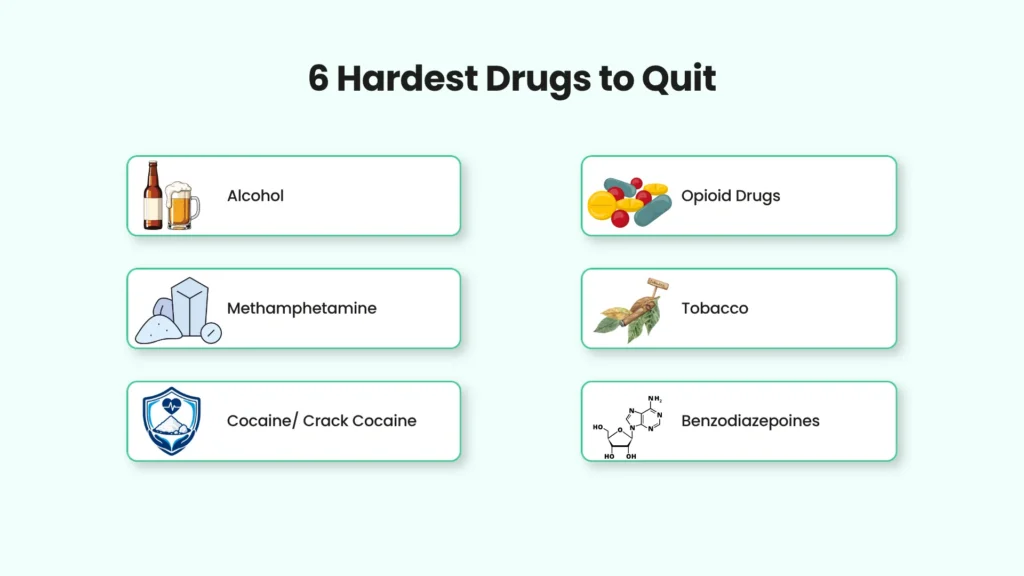
Alcohol
Alcohol addiction is a chronic relapsing disorder linked with compulsive alcohol drinking. When a person consumes alcohol on a daily basis, they may develop alcohol use disorder. In alcohol use disorder, a person has less ability to stop or control alcohol consumption. Chronic alcohol use can lead to liver damage, cognitive impairment, and withdrawal symptoms such as tremors, anxiety, and seizures.
If you are looking for professional support to treat alcohol addiction, House of Zen offers an alcohol addiction treatment program to help prevent withdrawal and relapse. Our experts assess each patient’s condition and use therapies to help them achieve recovery faster.
Here are a few side effects of alcohol addiction listed below:
- Severe Depression
- Intense Cravings
- Extreme Fatigue
- Increased Blood Pressure
- Rapid Breathing
- Hallucination
- Tremors
- Loss of Appetite
- Nausea
- Vomiting
- Mood Swings
- Restlessness
Opioid Drugs (Heroine, Oxycodone, Fentanyl)
Heroin is an opioid drug made from morphine. It produces intense euphoria, which makes it extremely addictive. If you are addicted to heroin and try to quit on your own without getting professional help. You may experience withdrawal symptoms such as nausea, anxiety, and insomnia. The severity of withdrawal varies from person to person. If withdrawal symptoms are severe, you may be at a higher risk of relapse.
Heroin use in the general population was previously low, the number of people using heroin has increased since 2007. This may be because heroin is readily available and cheaper to relieve pain. However, misuse can cause many harmful side effects. If you are addicted to heroin and looking for professional support, our luxury rehab offers heroin addiction treatment to help you achieve sobriety faster.
Here are a few side effects of heroin addiction that are listed below:
- Nausea
- Vomiting
- Diarrhea
- Severe muscle pain
- sweating
- Depression
- Anxiety
- suicidal thoughts
- Agitation
Tobacco
Tobacco contains nicotine, a highly addictive substance that can cause strong cravings and make quitting difficult. When a person stops using tobacco, they may experience irritability, anxiety, sleep problems, low mood, and difficulty concentrating.
At House of Zen, we provide personalized treatment for nicotine dependence through behavioral therapies, coping skills, and ongoing support. Our compassionate team helps individuals identify triggers, manage cravings, and build healthier habits for long-term recovery.
Methamphetamine
Methamphetamine is a powerful stimulant that can produce intense euphoria, increased energy, and strong psychological dependence. Stopping methamphetamine use may cause fatigue, depression, anxiety, sleep changes, and severe cravings.
House of Zen offers individualized methamphetamine addiction treatment that addresses the physical, emotional, and behavioral effects of stimulant use. Our team uses evidence-based therapy, structured support, and relapse-prevention planning to help clients begin lasting recovery. Here are a few meth withdrawal symptoms that are mentioned below:
- Severe Depression
- Anxiety
- Intense Cravings
- Extreme Fatigue
- Psychosis
- Hallucination
- Delusions
Cocaine/Crack Cocaine
Cocaine and crack cocaine are drugs that come from the coca plant, which is found in South American countries. They stimulate the body and can raise heart rate. Cocaine causes dopamine to build up in the brain by blocking dopamine transporters. It can produce pleasure, euphoria, and compulsive drug-related responses. Dopamine-responsive cells are highly concentrated in brain systems that control emotional responses and connect them with memories.
Crack cocaine is hard to quit because stopping its use can produce strong psychological dependence and withdrawal symptoms, such as anxiety and intense cravings. These symptoms can last for months or years. Long-lasting symptoms can make it challenging to maintain sobriety. Here are a few side effects that show why consuming crack cocaine is dangerous.
- Severe Depression
- Intense Cravings
- Extreme Fatigue
- Lack Of Energy
- Anxiety
- Anhedonia
- Inability To Feel Pleasure
Benzodiazepines (Xanax, Valium)
Benzodiazepines are prescription medications commonly used for anxiety, panic, and sleep disorders, but long-term or nonmedical use can lead to dependence. Stopping them suddenly may cause serious withdrawal symptoms, including anxiety, insomnia, tremors, and, in some cases, seizures.
At House of Zen, our benzodiazepine addiction treatment provides medically supervised detox and a gradual tapering plan when clinically appropriate. With therapy, compassionate care, and ongoing support, we help clients manage withdrawal safely and work toward long-term sobriety.
- Severe Depression
- Anxiety
- Intense Cravings
- Extreme Fatigue
- Psychosis
- Hallucination
- Delusions
- Panic Attacks
- Muscle Pain
- Tremors
- Seizures
Turn Struggle Into Strength
Overcoming addiction is challenging, but with the right care, lasting change is possible. Our compassionate team is ready to support you every step of the way.
How To Overcome Addiction To The Hardest Substances
Detoxification (Detox)
Medically supervised withdrawal safely controls withdrawal symptoms. A professional team of doctors and psychologists monitors your vital signs to give medications and manage complications. We also offer a detox program to treat drug addiction effectively.
Inpatient program
We offer an inpatient program where you stay during detox and early recovery. Our staff provides different therapies and structured daily routines. This treatment program is best for severe withdrawal and high risk of delirium tremens.
Intensive outpatient program (IOP)
Our Intensive Outpatient Program (IOP) delivers structured and evidence-based treatment for drug addiction while you live at home and keep your daily routine. A dedicated team at Luxury Rehab provides frequent therapy sessions and relapse-prevention skills. IOP offers the flexibility to balance work and school with high-quality support.
Aftercare program
Ongoing support after detox or inpatient treatment to prevent relapse. This can include regular counselling sessions or support groups with a doctor or addiction specialist. The aftercare program helps you maintain sobriety and manage triggers to adjust your treatment plan over time.
Get Professional Support for Addiction at Our Luxury Rehab
Get professional support for addiction at our luxury rehab, where compassionate care meets personalized treatment. At House of Zen, our certified team provides medical detox, evidence-based therapy, residential care, and ongoing aftercare in a peaceful, private setting. We help you address the physical and emotional effects of addiction while building the skills needed for lasting recovery.
Frequently Asked Questions (FAQs)
Is crack and meth the same?
No. Crack is a smokable form of cocaine, while methamphetamine is a synthetic lab-made stimulant. Both are highly addictive but affect the brain and body differently.
Which drug has the longest withdrawal?
There is no single drug with the longest withdrawal because timelines vary by substance and individual health. Benzodiazepines, opioids, stimulants, and alcohol can cause lingering symptoms or cravings that may continue for weeks or months.
How long does it take to rewire the brain from addiction?
Brain healing begins after stopping substance use, but recovery looks different for every person. Some improvements may occur within weeks or months, while cognitive and reward-system recovery can continue for a year or longer, especially after long-term stimulant use.
Can you die from drug withdrawal?
Yes, withdrawal from alcohol or benzodiazepines can be life-threatening without medical supervision because it may cause seizures, delirium, or serious medical complications. Anyone dependent on these substances should seek medically supervised detox rather than quitting suddenly alone.
How long does it take to recover from addiction?
Recovery is an ongoing process, not a fixed timeline. Detox may take days to weeks, while therapy, medication, relapse-prevention skills, and recovery support can continue for months or years.
